
Request a Quote
certificate
Leave Your Message

2026 Best Carbon Hole Saw Types for Global Buyers

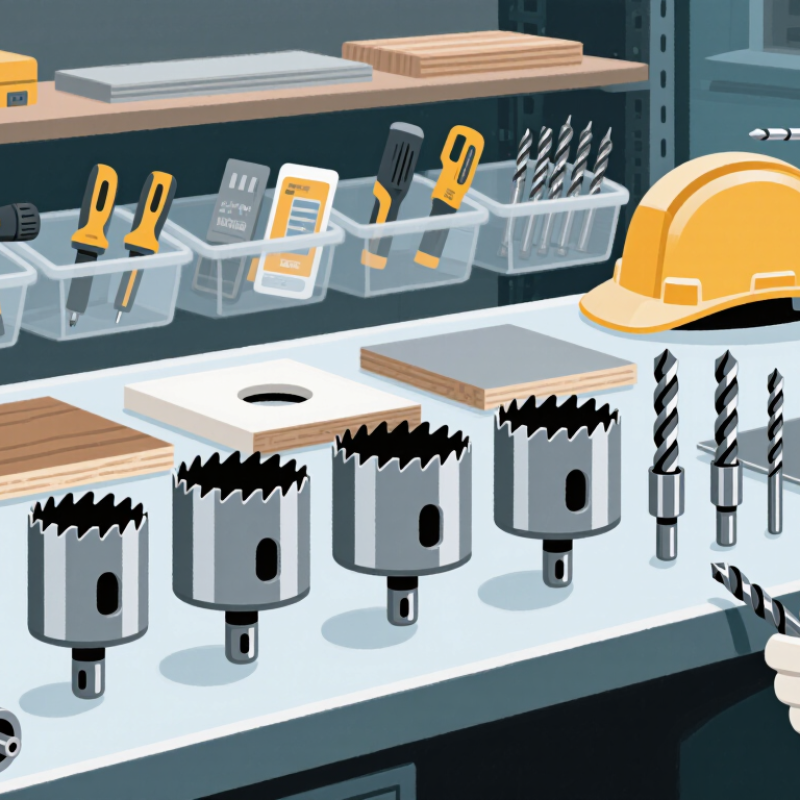
Global buyers are entering 2026 with tighter demands for cutting speed, durability, and predictable supply. A Carbon Hole Saw remains a practical choice for wood, plastic, drywall, and light metal applications. Its value depends on tooth design, steel hardness, arbor compatibility, and operating conditions.

Industry data supports this wider market shift. Grand View Research reports continued growth in the global hand tools market, driven by construction, maintenance, and professional manufacturing. MarketsandMarkets also identifies cordless and power-assisted tools as major growth areas through the decade. These reports do not isolate carbon hole saw sales. That limitation matters. Buyers should avoid treating broad tool forecasts as product-specific proof.

Performance is often visible at the workbench. A sharp carbon steel edge can produce clean openings in softwood, with less vibration and lower initial cost. However, repeated cuts through stainless steel may cause rapid tooth wear. For demanding metalwork, bi-metal or carbide-tipped designs may offer better service life. The correct choice is rarely the cheapest box. It is the saw that matches material hardness, cutting depth, drill speed, and replacement availability.

Small details matter. Check arbor size, pilot drill replacement, coating quality, and packaging protection. Regional standards and shipping conditions can also affect reliability. A humid warehouse may expose untreated steel to surface rust before installation. That is easy to overlook.

Real-world testing remains essential. Supplier claims need verification. Compare cut count, edge quality, heat buildup, and total cost per hole. The best 2026 Carbon Hole Saw is not universal. It is the type that performs consistently in the buyer’s actual material, machine, and purchasing environment.
2026 Best Carbon Hole Saw Types for Global Buyers

Carbon Hole Saw Basics and Core Material Characteristics

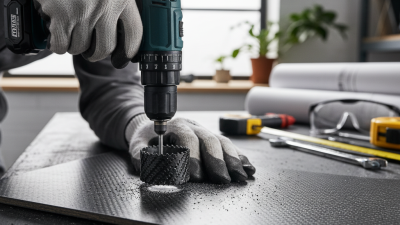
Carbon hole saws are cutting tools made mainly from carbon steel. They are designed for wood, plastic, drywall, and other relatively soft materials. Their circular teeth remove a clean plug while the pilot drill guides the cut. For global buyers, understanding the steel matters more than choosing by appearance.

Common carbon steel grades balance hardness, toughness, and manufacturing cost. A harder tooth edge can stay sharp longer, but excessive hardness may cause chipping. A tougher body resists bending during hand-held drilling. Heat treatment controls this balance.

Poor treatment can leave teeth soft, brittle, or uneven. That problem may not appear until the first difficult cut.

Tooth geometry also affects performance. Coarse teeth clear wood chips quickly and reduce clogging. Fine teeth produce smoother cuts in thin plastic or laminate. Carbon steel usually performs poorly against thick steel, stainless steel, and abrasive masonry. Use the correct speed, steady pressure, and suitable cutting lubricant when the material requires it. Keep the pilot drill sharp. A dull pilot can make the saw wander.

Material descriptions can be confusing. Some suppliers use “carbon” broadly, although the actual grade, coating, and heat-treatment details differ. Buyers should request test data, tooth hardness information, wall thickness, and compatible applications. Sample testing is wise. One catalog claim is not enough. In field use, a lower-cost saw may cut well, yet its service life can vary sharply between batches. That uncertainty deserves attention.

How Carbon Hole Saw Types Differ by Cutting Application

2026 Best Carbon Hole Saw Types for Global Buyers

Carbon hole saw types differ mainly by tooth design, material, and cutting application. Standard carbon steel hole saws suit softwood, plywood, plastic, and thin non-ferrous sheets. Their teeth cut quickly, but heat can dull them during long runs. They are economical for maintenance work and occasional drilling. Not for heavy steel.

Bi-metal hole saws combine a flexible carbon steel body with hardened cutting teeth. This structure handles stainless steel, mild steel, wood, and mixed materials more reliably. Carbide-grit hole saws work better on abrasive surfaces, including cement board, tile, and fiberglass. They cut slowly but resist tooth damage. For clean wood openings, a fine-tooth design leaves fewer torn fibers. For metal, a variable tooth pattern can reduce vibration and improve chip removal. In practice, no type performs perfectly everywhere. I still test the cutting speed on sample material before selecting a production tool.

Tips: Match the saw to the hardest layer, not the easiest one. Use cutting fluid on metal, steady pressure, and a moderate speed. Clear chips frequently. A pilot bit should remain sharp and centered. Check the arbor size and cutting depth before purchase, especially when importing tools across different equipment standards. Safety glasses and stable workholding are essential. Small details matter.

Tooth Designs, Sizes, and Shank Options for Global Buyers

For global buyers, choosing a carbon hole saw starts with the tooth design, not the carton label. Carbon steel teeth cut cleanly through wood, plastic, drywall, and thin non-ferrous sheet. Standard teeth suit general workshop work and moderate speeds. Variable-pitch teeth reduce vibration when material thickness changes. Hardened teeth may last longer, but they can chip under excessive pressure. I have seen users blame the tool when the setup was wrong. The lesson is not always comfortable.

Size selection should follow the actual hole, not an approximate measurement. Common diameters range from small cable openings to large pipe penetrations. Measure the required clearance and consider the saw’s cutting width. A pilot drill improves accuracy, especially on smooth panels. Larger saws need slower speeds and steadier handling. Keep the workpiece supported. Otherwise, the exit side may splinter or deform. Metric and imperial sizes are widely used in international supply chains. Confirm the diameter, tolerance, and packaging unit before ordering.

Shank choice affects compatibility and control. A round shank fits many standard chucks, while a hex shank can reduce slipping in compatible drivers. Threaded arbors may support larger hole saws, but the arbor and pilot drill must match. Check the shank diameter, pilot length, and tool rating together. Do not judge quality by appearance alone. Request sample cuts in the target material. Record cutting speed, edge wear, and hole accuracy. Early tests may disappoint, but they often reveal a better specification before volume purchasing.

2026 Best Carbon Hole Saw Types for Global Buyers - Tooth Designs, Sizes, and Shank Options
Carbon Hole Saw Type Typical Tooth Design Common Size Range Recommended Materials Typical Cutting Depth Shank Options Pilot Drill Configuration Best Use Case
General-Purpose Carbon Steel Hole Saw Hardened carbon-steel teeth with a regular or variable tooth pattern, commonly around 4–6 teeth per inch. 19–152 mm
3/4–6 in
Wood, plywood, plastics, drywall, and thin non-ferrous sheet materials. Approximately 25 mm
1 in
Quick-change or fixed arbors; common shank sizes include 1/4 in hex and 3/8 in or 1/2 in arbor interfaces. Replaceable or fixed high-speed-steel pilot drill, depending on arbor design. General installation work, plumbing openings, electrical boxes, and light-duty maintenance.
Variable-Pitch Carbon Steel Hole Saw Alternating tooth spacing helps reduce vibration, chatter, and harmonic cutting noise. 19–127 mm
3/4–5 in
Wood, plastics, composite boards, aluminum, copper, and thin mild steel when permitted by the tool specification. Approximately 25 mm
1 in
Arbors with 1/4 in hex, 3/8 in, or 1/2 in drive interfaces; arbor capacity must match the hole-saw diameter. Replaceable pilot drill is common and simplifies maintenance. Portable drilling where smoother running and reduced vibration are important.
Fine-Tooth Carbon Steel Hole Saw Finer, closely spaced teeth provide a cleaner edge and better control in thin materials. 19–100 mm
3/4–4 in
Thin aluminum, copper, brass, plastics, laminates, and thin-gauge sheet materials. Approximately 12–25 mm
1/2–1 in
Fixed or detachable arbors; smaller diameters are often paired with compact 1/4 in hex shanks. Small replaceable pilot drill or integrated pilot drill. Clean openings in sheet goods, enclosures, panels, and decorative surfaces.
Coarse-Tooth Carbon Steel Hole Saw Large, widely spaced teeth remove chips quickly and reduce clogging in soft materials. 25–152 mm
1–6 in
Softwood, hardwood, plywood, particleboard, drywall, and other non-abrasive construction materials. Approximately 25 mm
1 in
Heavy-duty arbors with 3/8 in or 1/2 in drive interfaces are common for larger diameters. Replaceable pilot drill with a robust arbor body. Fast, rough-to-medium finish cuts in wood and building materials.
Deep-Cut Carbon Steel Hole Saw Standard or variable-pitch teeth on a taller cylindrical body for increased cutting depth. 19–127 mm
3/4–5 in
Wood, plastics, drywall, insulation board, and selected thin non-ferrous materials. Approximately 38–51 mm
1 1/2–2 in
Extended arbors, 3/8 in or 1/2 in drive shanks, and arbor systems rated for deeper cutting. Longer replaceable pilot drill may be required to maintain guidance through thick workpieces. Cutting through thicker timber, stacked boards, and layered construction materials.
Adjustable Carbon Hole Cutter Movable carbon-steel cutting blades or a multi-blade arrangement rather than a single fixed diameter. Approximately 30–120 mm
1 3/16–4 3/4 in
Drywall, wood, ceiling tiles, soft plastics, and other light-duty non-abrasive materials. Usually up to 25 mm
1 in
Central arbor with a drill-chuck shank; 1/4 in hex versions are also available for compact tools. Central pilot drill is normally integrated into the adjustable assembly. Occasional work requiring multiple hole diameters from one tool.
Small-Diameter Carbon Steel Hole Saw Fine or standard tooth pattern designed for controlled entry and reduced material breakout. 14–30 mm
9/16–1 3/16 in
Wood, plastic, drywall, thin aluminum, and light electrical or plumbing materials. Approximately 25 mm
1 in
Integral 1/4 in hex shank, compact quick-change arbor, or small fixed arbor. Integrated or replaceable pilot drill, depending on the shank system. Small cable, conduit, pipe, and fixture openings in confined spaces.
Large-Diameter Carbon Steel Hole Saw Coarse or variable-pitch teeth with reinforced body construction to support larger cutting loads. 102–210 mm
4–8 1/4 in
Wood, drywall, plastics, ceiling materials, and selected light-gauge non-ferrous sheet materials. Approximately 25–38 mm
1–1 1/2 in
Heavy-duty arbor with 1/2 in drive interface; some systems use threaded or specialized large-diameter arbors. Replaceable pilot drill with a rigid support structure is recommended. Large openings for ducting, ventilation components, recessed fixtures, and cable routing.
Carbon Steel Hole Saw Set Usually combines several fixed diameters with standard, fine, or variable-pitch teeth. Commonly 19–127 mm
3/4–5 in
Wood, plastics, drywall, laminates, and light sheet materials, depending on the included tooth design. Approximately 25 mm
1 in
One or more detachable arbors; sets may include 1/4 in hex, 3/8 in, or 1/2 in drive options. Often supplied with spare or replaceable pilot drills. Maintenance teams, installers, distributors, and buyers needing multiple standard sizes.

Performance Factors: Speed, Durability, and Heat Resistance

For global buyers, carbon steel hole saws remain practical for wood, drywall, plastic, and thin non-ferrous sheet. Their sharp teeth cut quickly when the material is soft. In field use, a 68 mm saw can open a clean electrical-box hole within seconds. However, speed drops sharply on stainless steel. Choosing a variable-pitch or bi-metal design is safer for mixed materials.

Speed depends on tooth geometry, drill power, and pressure. Too much pressure creates smoke, stalls the arbor, and rounds the teeth. I prefer moderate pressure with short pauses, especially in 3 mm steel. A pilot bit should start steadily, not hammer through the surface. Cutting oil helps metal work, while dry cutting may suit timber and plastics. Follow the cutting-speed guidance supplied with the tool.

Durability comes from tooth hardness, body thickness, and stable mounting. Heat resistance matters just as much. Excess heat can discolor steel, weaken brazed joints, and distort thin saw bodies. Vent slots help release chips, but they do not replace cooling practice. I have seen a new saw fail early because the operator used maximum drill speed continuously. That result is easy to blame on the tool, though technique was part of the problem. Buyers should compare tooth material, recommended RPM, arbor compatibility, and replacement-part availability before ordering across regions. Local material conditions can still change the result.

Selection Standards for Materials, Tools, and Regional Work Conditions

For global buyers, carbon steel hole saws should be selected by material, tooth design, and cutting frequency. Standard carbon hole saws suit wood, plywood, plastics, and thin non-ferrous sheets. Their teeth cut quickly but wear faster on stainless steel or hardened metal. Fine teeth support cleaner cuts in thin sheet. Coarser teeth remove wood chips more efficiently. Check the diameter, cutting depth, arbor size, and pilot drill before ordering. Compatibility problems are common.

Tool condition matters as much as the saw itself. A rigid drill with adjustable speed helps prevent tooth damage and uneven holes. Use cutting fluid for metal, but avoid flooding when working near sensitive electrical parts. Protective glasses, stable clamping, and controlled pressure remain essential. From practical workshop testing, excessive force creates heat before it creates progress. That mistake is easy to repeat.

Regional work conditions also affect the choice. In humid coastal areas, corrosion-resistant storage and dry packaging deserve attention. Dusty construction sites may require frequent tooth cleaning and sealed tool cases. Cold regions can make some plastics brittle, while high-temperature workplaces increase cutting heat. Buyers should verify local arbor compatibility and replacement availability, not only unit price. I would not treat one tooth pattern as universally best. Even experienced users sometimes choose a faster saw when a slower, cleaner cut would reduce rework. Test samples under real materials before placing a large order.