Discover the Best Diamond Hole Saw Types for 2026?
As the demand for precision cutting tools continues to rise, the diamond hole saw stands out as a vital component in various industries. According to recent market research, the global diamond tools market is projected to reach 14.6 billion dollars by 2026, with diamond hole saws playing a crucial role in this growth. These specialized saws offer enhanced durability and cutting efficiency, making them essential for professionals in construction, plumbing, and tile installation.
In 2023, a significant number of contractors reported increased use of diamond hole saws due to their ability to cut through hard materials like porcelain and granite. The right selection of diamond hole saw type can greatly influence project outcomes. While many professionals have relied on standard models, variations like segmented and continuous rim saws offer unique benefits that can elevate performance. It's important to recognize that the choice of diamond hole saw type impacts not only efficiency but also the quality of the finished work.
However, not all diamond hole saws are created equal. Some users have experienced issues with premature wear or inefficiency, raising questions about product quality and selection. Professionals must consider factors such as compatibility with their tools and the specific materials they intend to cut. Reflecting on these insights can help industry professionals make informed decisions as they navigate the evolving landscape of diamond hole saw options.
Overview of Diamond Hole Saw Types Available in 2026
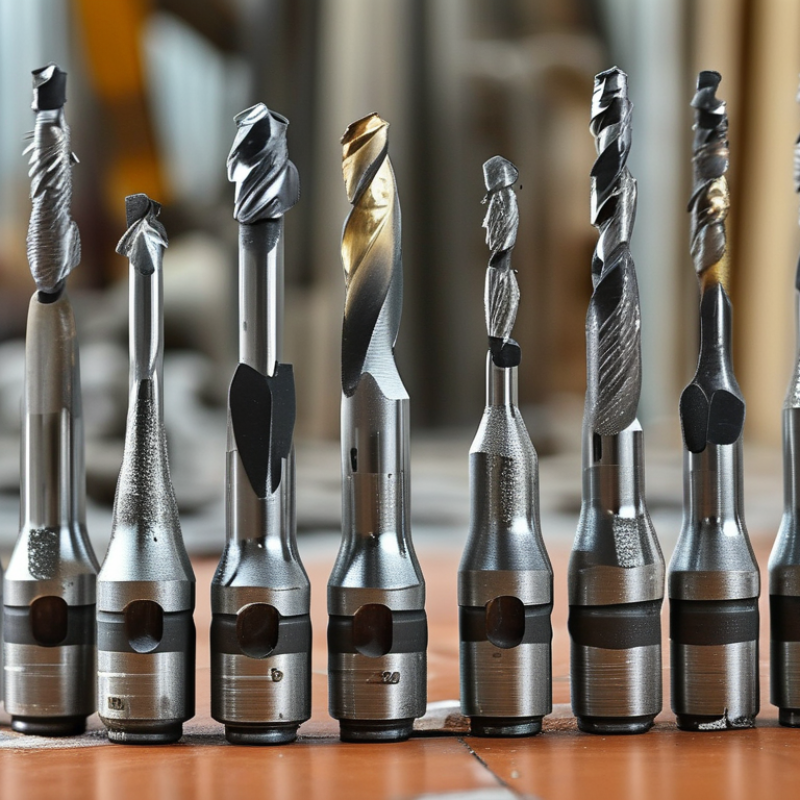
When exploring the diamond hole saw types available in 2026, you’ll find a variety tailored for different materials and applications. Each type has distinct features suited for specific projects. For instance, some are designed for soft materials like tile or glass, while others are better for harder surfaces such as concrete or granite. Understanding the specific requirements of your task can lead to more effective tool selection.
Certain diamond hole saws feature segmented or continuous rims, affecting performance. Segmented types excel in faster cooling and debris removal, making them suitable for heavy-duty work. On the other hand, continuous rim saws provide a smooth cut for delicate tasks but may lack durability on tougher materials. It’s essential to weigh these differences and assess the project needs carefully.
Not all diamond hole saws are equal, and their effectiveness varies. Using the wrong type can lead to poor results and tool damage. The learning curve can be frustrating, especially for beginners. Reflecting on your experiences can improve future choices and enhance cutting efficiency. It's essential to gain practical knowledge to make informed decisions for upcoming projects in 2026.
Key Features to Consider When Choosing Diamond Hole Saws
When selecting a diamond hole saw for your needs, understanding key features is essential.
The type of material being drilled plays a significant role in your choice.
Consider softer materials like wood or plastic, which require less aggressive saws.
For harder materials, such as ceramic or glass, opt for diamond-tipped options.
Look at the blade size too; larger diameters create bigger holes, which may not be necessary for smaller projects.
Tips: Always measure your project requirements before purchasing. A hole saw that's too big or too small can compromise your work.
Another aspect to focus on is the construction quality. High-quality diamond hole saws often feature a steel core and a segment design that enhances durability.
This allows for a longer lifespan and effective cutting performance.
Keep in mind that lower-priced options may not offer reliability.
They could wear out quicker or fail during use, leading to frustrating downtime.
Tips: Invest in a reliable product. It can save time and costs on future projects.
Read reviews and seek expert insights before making a decision.
Comparative Analysis of Popular Diamond Hole Saw Brands
When comparing popular diamond hole saw brands, it's essential to consider their design and functionality. Many brands offer a wide range of sizes and styles, catering to various materials. Some focus on durability, while others prioritize cutting speed. Evaluating these factors can be tricky. Users often find themselves overwhelmed by choices.
In terms of performance, quality matters. Some brands use high-grade diamonds, which enhance cutting efficiency. Others may cut costs by using inferior materials. This poses a risk. Choosing a cheaper option could lead to faster wear and tear. Users must ask themselves: Is the savings worth it?
Feedback from professionals highlights this dilemma. They prefer brands that last longer, even if upfront costs are higher. A reliable product saves time and effort in the long run. It's crucial for buyers to weigh their options carefully and read reviews. Poor choices can result in frustration and wasted resources. Balancing cost and quality is a persistent challenge.
Diamond Hole Saw Performance Comparison for 2026
This chart displays a comparative analysis of different diamond hole saw types based on their cutting efficiency, durability, and price. The performance metrics were collected from user reviews and product specifications.
Best Practices for Using Diamond Hole Saws Effectively
When using diamond hole saws, proper technique is essential for effective results. Ensuring the right RPM is crucial. Too fast, and you risk overheating the saw. Too slow, and progress slows down. Always check the material being drilled. Different materials require different approaches. Assess the thickness beforehand to choose the best drill speed.
Cooling is another important factor. Always use water as a coolant. It minimizes friction and prolongs the life of the saw. A steady stream of water avoids overheating during the drilling process. Make sure to keep the area clean. Debris can interfere with cutting efficiency.
It’s easy to overlook the drilling angle. A flat, level surface is vital for effective drilling. If the drill wobbles, it may damage both the saw and the material. Don't rush through the process. Sometimes, slower and steadier leads to a clean cut. Using diamond hole saws effectively takes practice and patience. Reflect on your previous projects and learn from any mistakes.
Maintenance Tips for Prolonging the Life of Diamond Hole Saws
Diamond hole saws are essential tools for cutting precise holes in tough materials. To ensure their longevity, proper maintenance is crucial. Regular cleaning can prevent debris buildup, which may hinder their cutting performance. A report by the Tooling Association shows that proper maintenance can enhance the lifespan of diamond tools by up to 30%.
Tip: After each use, rinse your diamond hole saw with water. This action removes any material residues that might cling to the blade. Dry thoroughly to avoid rust and corrosion.
Another important aspect is the storage of diamond hole saws. They should be kept in a dry, cool place. Humidity and heat can degrade the integrity of the diamond and metal components. According to a study by the International Cutting Tools Institute, improper storage can lead to a significant reduction in cutting efficiency over time.
Tip: Use protective cases or covers for your tools. This prevents damage and helps maintain their sharpness. Regular inspections are also important. Look for signs of wear or damage before starting any project.