Discover the Best Extended Hole Saw Options for Your Projects?
In the world of construction and DIY projects, choosing the right tools is crucial. Extended hole saws are a key component for tasks requiring precision in cutting larger holes. According to industry reports, the demand for effective drilling tools has increased by 25% over recent years. This surge is due to both professional builders and hobbyists seeking efficient methods to enhance their projects.
Extended hole saws offer distinct advantages. They can cut through a variety of materials, including wood, plastic, and metal. Their longer design facilitates deeper cuts, which is vital for applications such as plumbing and electrical installations. However, not all extended hole saws are created equal. Some users report difficulties in achieving clean cuts or maintaining durability over time.
Experts suggest that material selection and saw size significantly influence a project’s outcome. A poorly chosen extended hole saw can lead to wasted materials and frustration. Awareness of these factors improves your chances of success. By understanding the nuances of these tools, you can make informed decisions that impact your work quality and efficiency. Finding the best extended hole saw for your needs may require some experimentation, but the right choice will boost your productivity and project outcomes.
Understanding Extended Hole Saws: Definition and Applications
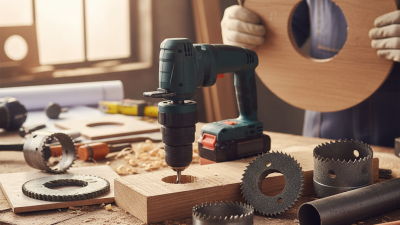
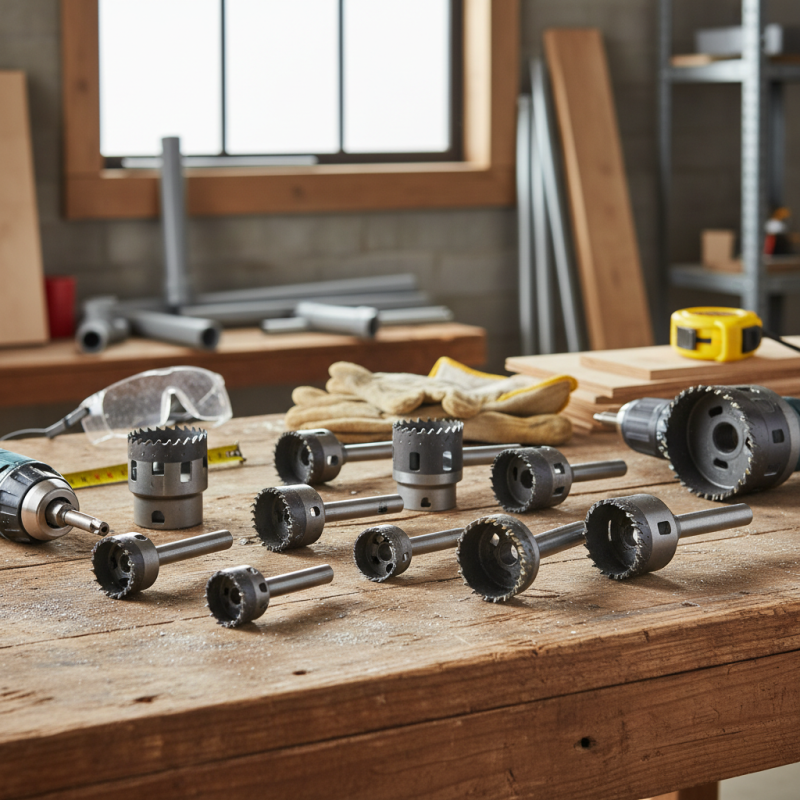
Extended hole saws are specialized tools designed for cutting larger diameter holes in various materials. They are particularly beneficial when working with thick surfaces, such as drywall, wood, or metal. The primary difference between standard hole saws and extended versions is the additional depth. This added length allows for deeper cuts without needing to reposition the tool frequently.
When selecting an extended hole saw, consider the material you're working with. Softer materials like wood require less durable saws, while tougher materials, such as metal, demand high-quality options. The teeth design also varies based on applications. A fine-tooth design is suitable for smooth cuts, while a coarse-tooth design is better for rapid cuts in softer materials. It’s crucial to understand these differences to choose the right tool for your project.
Many users might overlook proper technique while using extended hole saws. Overheating is a common issue that can lead to poor performance. The user should regularly remove the saw to clear debris and reduce friction. This step can significantly increase the tool's lifespan, ensuring that it remains a reliable asset in your toolbox.
Key Features to Consider When Choosing an Extended Hole Saw
Choosing the right extended hole saw can significantly impact your project. Several key features are essential in making the best choice. One critical consideration is the material used in the saw's construction. High-carbon steel and bi-metal options offer durability and longevity. A solidly built saw withstands wear and tear over time, providing better value for your investment. Ensure the teeth are sharp and designed for specific materials, as this can make the cutting process smoother.
Another important feature is the size range of the hole saw. Depending on your project's needs, having a versatile set that can handle various hole sizes is beneficial. Look for sets that provide both standard and larger diameters. This flexibility allows you to complete multiple tasks without the need for additional purchases. Additionally, consider the depth of the saw. Extended depth is crucial for cutting through thicker materials. If your project involves multiple layers or dense materials, ensure the saw can accommodate that.
Finally, pay attention to the compatible arbors. Some extended hole saws require specific arbors for proper use. Ensure your chosen saw and arbor work well together to avoid frequent changes. Investing in a high-quality arbor can make the operation smoother. Balancing these features will help you choose the right extended hole saw for your projects, ensuring you achieve professional results every time.
Top Brands and Models of Extended Hole Saws for Professionals
When tackling projects that require precise drilling, extended hole saws are indispensable. They reach deeper than standard hole saws, making them ideal for various applications. Professionals rely on these tools for clean cuts in thick materials. The depth and design of a good extended hole saw can dramatically influence the outcome of a project.
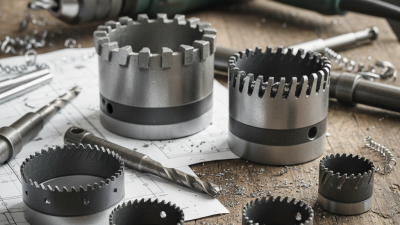
Renowned models often feature carbide-tipped teeth for durability. These designs not only enhance cutting efficiency but also reduce wear and tear. When choosing the right model, it's crucial to consider the material being drilled. For instance, drilling through metal differs significantly from wood. Check the specifications carefully to avoid pitfalls that could lead to underestimated project timelines.
It's easy to overlook maintenance when focusing on performance. Regular inspection can prevent frustrating scenarios, such as teeth dulling during use. Invest time in cleaning and storing your tools properly. This attention to detail will prolong their lifespan and ensure reliable performance for future tasks. Save yourself the hassle of replacements by prioritizing care.
Tips for Proper Use and Maintenance of Extended Hole Saws
When using extended hole saws, proper technique is crucial for achieving optimal results. Start by selecting the right saw for your material. These saws can cut wood, metal, and plastic, but each material requires a specific approach. Ensure your chosen hole saw is sharp and appropriately sized for the job. A dull bit can lead to uneven cuts and increased wear on the tool.
Always wear safety gear, including goggles and gloves, when using power tools. Secure your workpiece firmly to prevent movement during cutting. This extra step can save you from potential accidents or damaging your project. In cases where you notice excessive vibration, take a moment to pause. Reassess the tool and the material to ensure everything is aligned properly.
After use, maintenance is key to prolonging the life of your hole saws. Clean the saw promptly to remove debris and residue. Store them in a dry place, away from moisture. Regularly check for any signs of damage, such as cracks or dull teeth. Addressing these issues early can save you from bigger problems down the line. While it may seem tedious, this attention to detail pays off in the long run.
Common Projects and Materials Best Suited for Extended Hole Saws
When engaging in various DIY projects, understanding the right tools is crucial. Extended hole saws are particularly effective for certain materials. These tools excel in cutting through thicker materials and creating larger holes. They are ideal for tasks like plumbing, electrical installations, and HVAC projects. The design of extended hole saws allows for smoother cuts and less splintering, making them a favorite among professionals and enthusiasts alike.
Common materials suitable for extended hole saws include wood, metal, and plastic. In woodworking, they handle applications like drilling through thick beams or cabinet installations. For metal projects, these saws can cut through sheet metal or pipes efficiently. However, working with metal requires a steady hand and attention to heat buildup. Overheating can damage both the tool and the workpiece.
Despite their versatility, proper handling is essential. Regular maintenance, such as cleaning and sharpening, can improve their lifespan. Yet, some users may struggle with consistent results if they're unfamiliar with the tools. Learning curves exist, and patience is often required. Embracing small mistakes can enhance your skills over time, leading to greater mastery of extended hole saws.