How to Choose the Best Wall Hole Opener for Your Projects?
Choosing the right Wall Hole Opener can significantly impact your project’s success. Renowned industry expert, Sarah Johnson, once stated, “The right tool makes all the difference.” In the world of construction and home improvement, selecting a suitable Wall Hole Opener is crucial.
With various options available, understanding their features can be overwhelming. Investing time in research ensures you pick the right one. A high-quality Wall Hole Opener should provide precision and efficiency. It can help create clean holes for wiring, plumbing, or ventilation.
It’s essential to reflect on past projects. Did you face challenges with a subpar tool? A Wall Hole Opener that fits your needs can save time and reduce frustration. Each project is unique, and so are the requirements. Taking the time to evaluate your choices can lead to better results and smoother workflows.
Understanding Different Types of Wall Hole Openers Available in the Market
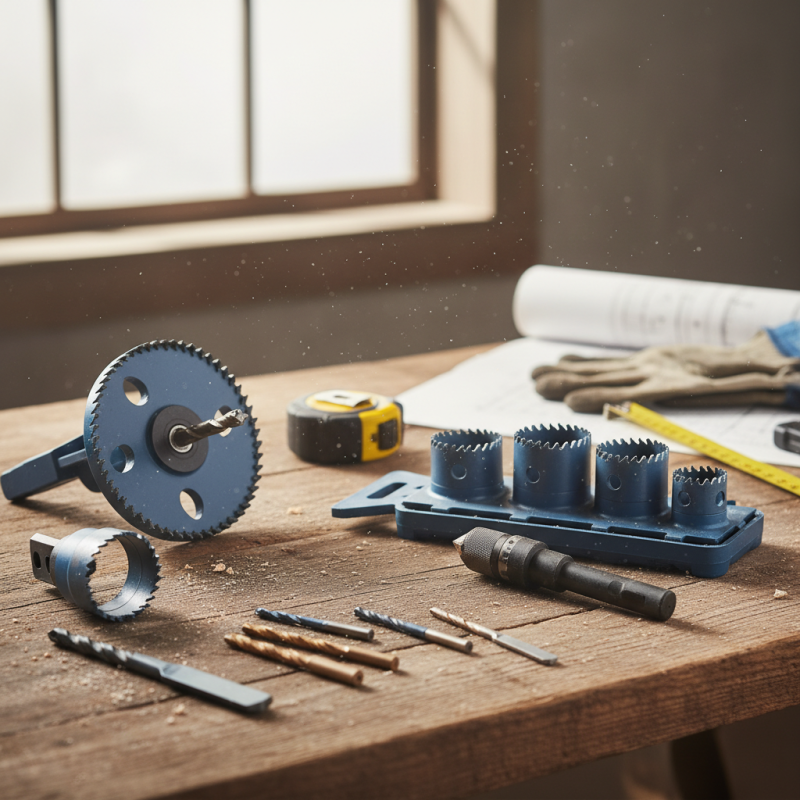
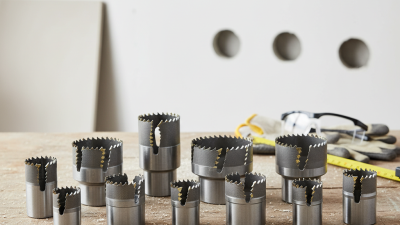
When selecting a wall hole opener, it's essential to understand the various types available. Common options include hole saws, paddle bits, and diamond core bits. Each type serves different purposes. For instance, a hole saw is ideal for creating larger openings for plumbing or electrical work. In contrast, a paddle bit works well for making smaller holes in wood. Also, diamond core bits are perfect for masonry applications.
Tips: Always choose an opener based on the material you’re working with. A wall composed of drywall will require a different tool than concrete. Ensure the bit size matches your project needs. Consider ergonomics too; a comfortable grip can prevent fatigue.
Sometimes, it may be tempting to rush the process. However, patience is vital. Misalignment can lead to unnecessary repairs. Thoroughly mark the opening spot before drilling. This small step saves time and effort later, especially in tricky spaces.
Assessing Your Project Needs: Size, Material, and Purpose Considerations
When selecting a wall hole opener, assessing your project needs is crucial. Size is an important factor. Small holes are needed for basic tasks like running cables. Larger openings may be necessary for plumbing or installing vents. Consider the wall thickness. Thick walls require specific tools for effective cutting.
Material type also influences your choice. Drywall, masonry, and plaster all require different approaches. If you're working with drywall, a simple hole saw may suffice. For masonry, a more robust tool is essential. Each material has unique properties that can complicate the task. You may find yourself questioning which tool to use.
Purpose is equally significant. Are you drilling for aesthetics or functionality? An artistic display might only need a small, careful cut. Conversely, more extensive work demands precision and efficiency. Reflecting on these aspects can help avoid costly mistakes later. Always consider how each choice impacts the overall outcome of your project.
How to Choose the Best Wall Hole Opener for Your Projects?
| Project Type |
Suggested Size |
Material Compatibility |
Recommended Purpose |
| Electrical Installations |
1-2 inches |
Drywall, Masonry |
Creating openings for outlets |
| Plumbing |
2-4 inches |
Concrete, Brick |
Accessing pipes for repairs |
| HVAC Installations |
3-5 inches |
Gypsum Board, Wood |
Installing vents and ducts |
| Painting and Decorating |
Less than 1 inch |
Drywall, Plaster |
For design elements or fixtures |
| Insulation |
1-3 inches |
Wood, Concrete |
Installing or accessing insulation |
Key Features to Look for in a Wall Hole Opener
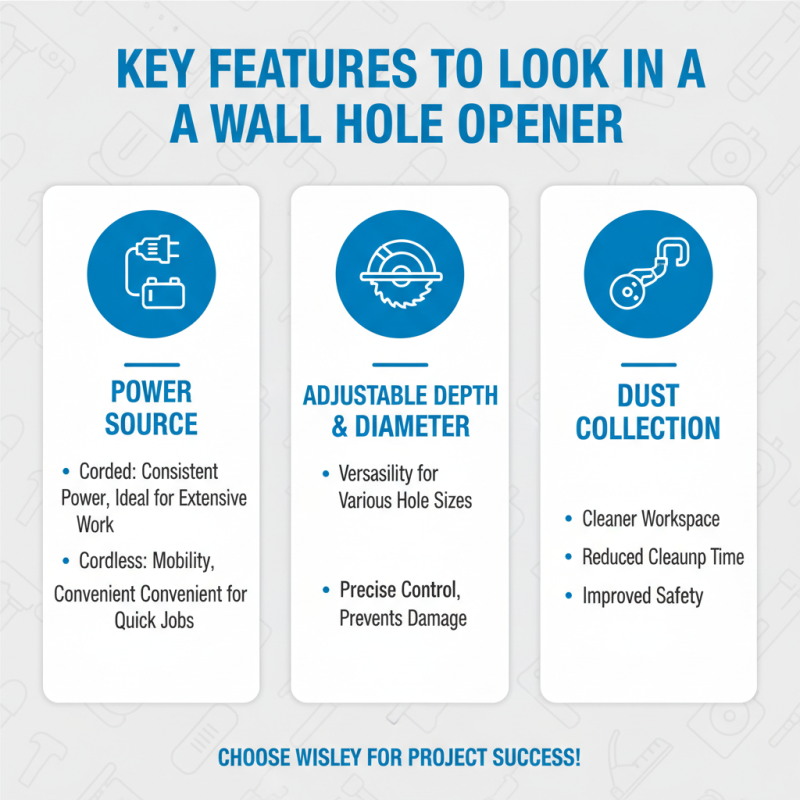
Choosing the right wall hole opener can significantly impact your project’s success. Several key features should be highlighted when selecting your tool. Start by considering the power source. Corded models offer consistent power, while cordless options provide mobility. If you have extensive work planned, a corded opener might be more effective.
Next, examine the drill size and its compatibility with various wall types. For instance, a larger drill bit may be necessary for thick walls. Additional settings, such as adjustable speeds, can enhance versatility. A tool with a depth gauge allows for precise hole sizes. This feature is invaluable when working on projects that require accuracy, like installing plumbing or electrical lines.
Durability is another crucial factor. Tools made from high-quality materials tend to last longer. Look for models with ergonomic handles. A comfortable grip minimizes fatigue, especially during prolonged use. Reflect on your needs—if you only have occasional tasks, a less expensive option may suffice. Remember to always prioritize safety features to protect yourself during operation.
Comparing Manual vs. Electric Wall Hole Openers: Pros and Cons
When choosing between manual and electric wall hole openers, understanding their pros and cons is crucial. Manual openers are generally simpler. They often require less maintenance and are easier to control. This can be advantageous for small projects or precise work. However, they do demand physical effort. For extensive jobs, fatigue can set in quickly.
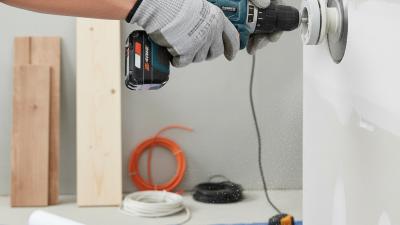
On the other hand, electric openers streamline many tasks. They tend to offer faster results and less physical strain. The precision with electric tools can be remarkable. Yet, they can also be cumbersome. They require a power source and may need more care. Wire jams or battery issues can arise unexpectedly.
Each option presents unique challenges. Manual tools are accessible but may not be suited for everyone. Electric models provide convenience but can feel intimidating for beginners. Weighing these factors against project demands is essential. Your choice should align with your skills and the project's specifics.
Safety Tips and Best Practices for Using Wall Hole Openers
When using wall hole openers, safety is paramount. According to reports from industry experts, nearly 30% of injuries in construction involve power tools. Proper precautions can significantly reduce these incidents. Always wear appropriate personal protective equipment (PPE), such as goggles and gloves, to shield against debris and sharp objects. Furthermore, it’s essential to inspect tools for wear or damage before use. A broken or frayed cord can lead to serious accidents.
Beyond PPE, adopt best practices during operation. Maintain a firm grip on the tool, and keep fingers away from cutting areas. Many professionals recommend a two-handed operation if possible. Studies indicate that working on stable surfaces decreases the chance of accidents. When drilling or cutting through walls, be cautious of hidden electrical wiring and plumbing. A missed detection can lead to electrical shock or water damage, necessitating thorough checks beforehand.
Lastly, always understand the specifics of your project. Not all wall materials are the same. Thickness and density can affect how the tool performs. Taking these factors into account can prevent issues and promote effective work. Reflection on past experiences often leads to better practices in future projects. Each mistake carries a lesson that can enhance your skills and safety awareness.
Wall Hole Opener Efficiency Comparison