
Request a Quote
certificate
Leave Your Message

China Top Hole Saw For Metal Manufacturers?

Choosing a reliable China Hole Saw For Metal manufacturer requires more than comparing prices or counting product models. A serious evaluation should examine tooth material, body strength, cutting accuracy, heat resistance, and production consistency. Bi-metal hole saws may suit general steel and stainless steel work. Carbide-grit or carbide-tipped designs can perform better on hardened alloys, cast iron, and abrasive materials. The correct choice depends on the metal, thickness, machine power, and cutting speed.

Manufacturing specialist Dr. John A. Schey emphasized a practical principle: “Tool performance depends on matching the tool to the work material and cutting conditions.” This idea remains highly relevant when reviewing Chinese suppliers. A professional manufacturer should explain tooth pitch, rake angle, pilot drill design, and recommended RPM. It should also provide batch testing, dimensional inspection, and traceable quality records. ISO certification can support confidence, but it should not replace physical sample testing.

In real workshops, small details matter. A poorly ground tooth can leave a rough edge. Excessive speed can blue the cutting rim within seconds. A weak arbor may create vibration across a thick steel plate. These problems are easy to miss in polished catalogs. Supplier experience, export history, engineering support, and feedback from actual users deserve careful attention. Some manufacturers offer impressive customization, yet their production control may be uneven. That uncertainty should not be ignored. This guide examines China’s leading Hole Saw For Metal manufacturers through product capability, material expertise, quality reliability, customization, and service performance. The goal is practical selection, not empty rankings.
China Top Hole Saw For Metal Manufacturers?

Types of Metal Hole Saws Manufactured in China

Types of Metal Hole Saws Manufactured in China

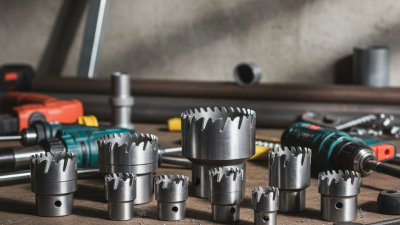
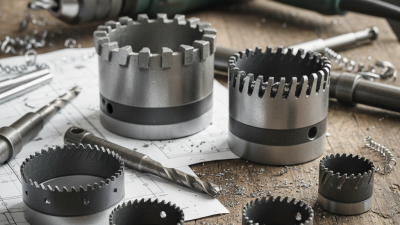
China’s metal hole saw manufacturers produce several designs for different cutting conditions. Bi-metal hole saws remain common for steel, stainless steel, aluminum, and mild alloys. Their high-speed steel teeth resist heat while the flexible body reduces cracking. Variable tooth spacing helps control vibration and improves chip removal. These features matter during repeated workshop use.

Carbide-tipped hole saws suit harder stainless steel, cast iron, and thick metal sheets. Their teeth cut aggressively and usually keep an edge longer than standard bi-metal teeth. However, excessive pressure can fracture the carbide tips. Operators should match the cutting speed with the material and use suitable cutting fluid. Small details make a large difference.

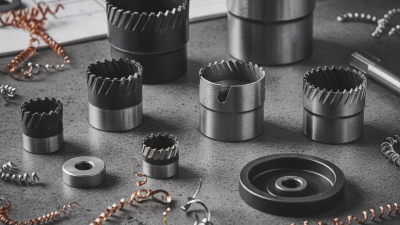
Manufacturers also produce carbide-grit and diamond-grit hole saws. Carbide-grit models handle abrasive materials and irregular surfaces, while diamond-grit types serve extremely hard, brittle applications. They cut differently from toothed designs and often require slower, steadier feeding. Some factories offer different arbor systems, tooth pitches, wall thicknesses, and diameters. Selecting the wrong arbor can stop a job before it starts.

In practical sourcing, inspect tooth uniformity, weld quality, runout, and packaging protection. Ask for sample testing on the actual metal grade. Catalog descriptions are not enough. A saw that performs well on thin aluminum may struggle badly with stainless steel. No design is universal. This point is easy to overlook, even for experienced buyers.

China Top Hole Saw For Metal Manufacturers? - Types of Metal Hole Saws Manufactured in China

Metal Hole Saw Type Cutting Element Common Diameter Range Recommended Metals Typical Tooth or Grit Design Main Advantages Important Operating Notes
Bi-Metal HSS Hole Saw High-speed steel cutting edge welded to a flexible alloy-steel body Approximately 14–210 mm Mild steel, stainless steel, aluminum, brass and copper Variable tooth pitch, commonly 4/6 or 5/8 teeth per inch Versatile, impact-resistant and suitable for general metal fabrication Use cutting fluid on metal; select a slower speed for larger diameters and stainless steel
Cobalt Bi-Metal Hole Saw HSS edge alloyed with cobalt for improved hot-hardness Approximately 14–200 mm Stainless steel, alloy steel, carbon steel and cast iron Precision-ground variable pitch teeth Better heat resistance and wear life than standard HSS designs Requires firm pressure, controlled feed and sufficient coolant to limit heat buildup
Carbide-Tipped Hole Saw Brazed carbide teeth mounted on a steel cup Approximately 16–150 mm Stainless steel, hardened sheet metal, cast iron and abrasive alloys Few large carbide teeth with wide gullets High wear resistance and efficient cutting of difficult metals Avoid side loading and vibration; use a rigid drill or magnetic drilling setup
Carbide-Grit Hole Saw Tungsten-carbide grit bonded to the cutting rim Approximately 19–127 mm Cast iron, fiberglass-reinforced metal panels and abrasive sheet materials Continuous abrasive cutting rim rather than conventional teeth Smooth cutting action and reduced snagging on brittle or abrasive materials Produces fine dust; use eye protection, dust control and moderate drilling pressure
Tungsten Carbide Tipped Annular Cutter Multiple carbide tips arranged around an annular cutting body Approximately 12–100 mm Structural steel, stainless steel and thick metal plate Carbide-tipped annular teeth with a pilot pin Fast hole production with lower material removal than solid-hole drilling Designed for compatible magnetic or industrial drilling machines, not ordinary handheld drills
HSS Sheet-Metal Hole Saw Hardened HSS cutting rim with a reinforced steel cup Approximately 16–100 mm Thin mild-steel sheet, aluminum sheet and electrical enclosures Fine or medium tooth pitch for thin-wall cutting Clean holes with relatively low cutting resistance Secure the workpiece to prevent catching; avoid excessive feed pressure at breakthrough
Adjustable Metal Hole Cutter Replaceable or adjustable HSS cutter mounted on an arbor Commonly adjustable from about 25–125 mm Thin mild steel, aluminum and non-ferrous metal panels Single or twin cutter configuration One tool can produce multiple hole diameters Check cutter balance and clamping carefully; not recommended for high-speed drilling

Note: Diameter ranges, tooth configurations and compatible materials are typical manufacturing specifications and may vary according to the selected tool design, arbor system, workpiece thickness and cutting conditions.

Key Materials and Manufacturing Standards

For metal hole saws, material selection directly affects cutting life, accuracy, and operator safety. High-speed steel offers dependable wear resistance for mild steel and aluminum. Bi-metal designs combine a tough alloy body with hardened teeth. This reduces tooth breakage during hand drilling. The tooth edge should remain sharp after repeated cuts.

For stainless steel, stronger tooth hardness and controlled heat treatment are essential. Carbide-grit edges can handle abrasive materials, but they may feel less forgiving during rough alignment.

Small details matter. A reliable manufacturer should identify steel grades, tooth hardness, and coating performance clearly. Vague material descriptions deserve caution.

Manufacturing standards begin with stable tooth geometry and consistent welding. Tooth pitch must match the metal thickness and cutting diameter. Heat treatment should be monitored through hardness checks and batch records. Dimensional inspections need to cover diameter, body roundness, arbor fit, and tooth runout.

Quality systems aligned with ISO 9001 can improve traceability, but certification alone proves little. Samples should undergo cutting tests on actual metal sheets and pipes.

Operators should record cutting speed, pressure, noise, and edge wear. Packaging also matters. Moisture can damage unfinished surfaces before use.

A polished sample does not guarantee stable mass production. I would request inspection reports, test videos, and replacement procedures before placing a large order.

Some suppliers may resist this level of detail. That resistance is worth noticing.

How to Evaluate Chinese Hole Saw Manufacturers

Choosing a Chinese hole saw manufacturer for metal requires more than comparing catalog prices.

Ask what steel forms the body and teeth. Bi-metal construction, heat treatment, and tooth hardness affect cutting life.

Request a sample set in the sizes you actually sell. Cut mild steel, stainless steel, and aluminum at stated speeds.

Record cutting time, edge wear, vibration, and plug removal. Small details matter.

A clean pilot drill and stable arbor often reveal factory control.

Ask for inspection records, material certificates, and batch traceability.

These documents show whether quality is repeatable, not merely attractive in a sample.

Visit the production site when possible, or arrange a live video audit.

Check tooth grinding, welding, heat treatment, packing, and final inspection.

An experienced manufacturer should explain tolerance limits, recommended speeds, and common failure causes without vague promises.

Verify monthly capacity against your order size, including replacement orders during peak seasons.

Communication also deserves testing: send a drawing with one deliberate question and assess the reply.

I would not choose the cheapest quotation too quickly. A low price may hide inconsistent teeth or weak packaging.

Still, audits have limits. One successful test does not prove every batch will perform equally. Use a written specification, pre-shipment sampling, and clear corrective-action terms before placing a larger order.

Quality Control and Performance Testing

China’s top hole saw manufacturers for metal should prove performance through repeatable quality control, not polished photographs. The World Steel Association reported about 1.89 billion tonnes of crude steel production in 2023. That volume reflects demanding, varied cutting conditions. A reliable factory should inspect tooth geometry, weld strength, arbor alignment, and material hardness for every production batch.

Testing begins with incoming steel verification. Portable hardness checks can expose an incorrect alloy before teeth are formed. Dimensional gauges should measure kerf width, tooth pitch, body roundness, and runout. ISO 6508-1 provides a recognized method for Rockwell hardness testing. ISO 6892-1 supports tensile testing for metallic materials. These references make factory records easier to compare. Keep the samples.

Performance tests should use defined steel grades, drill speeds, feed pressure, coolant conditions, and cutting depth. Operators can record cutting time, tooth loss, vibration, burr height, and the number of holes completed. A 2024 World Steel Association report shows steel remains a massive global production material, so laboratory results must reflect real workshop variation. One clean plate is not enough.

Rusty tubing exposes weaknesses quickly. So does interrupted cutting. Statistical process control can identify gradual tooth wear before customers report failures. ISO 9001-based procedures help control traceability, corrective action, and document retention. Yet no test perfectly represents every site. That limitation should remain visible, not hidden. Manufacturers should review failed samples honestly and adjust heat treatment, brazing, or tooth geometry when evidence demands it.

China Top Hole Saw For Metal Manufacturers? - Quality Control and Performance Testing

Typical starting cutting speeds for HSS hole saws when cutting common metals. These representative engineering values help establish repeatable performance-test conditions; the final speed should be adjusted for saw diameter, tooth geometry, coolant, machine rigidity, and material grade.

Quality control should verify hole diameter, roundness, burr formation, tooth condition, cutting time, and tool wear under the selected test conditions.

Factors for Selecting the Right Manufacturing Partner

Selecting a China-based hole saw manufacturer for metal requires more than comparing catalog prices. According to Grand View Research, the global power tools market was valued at over USD 45 billion in 2023, increasing pressure on suppliers to improve consistency and production capacity. Ask whether the factory controls tooth geometry, heat treatment, and weld quality internally. A 22 mm hole saw should cut cleanly through stainless steel, not wobble after several holes.

Production evidence matters. Request material certificates, batch records, and test results for high-speed steel, carbide grit, or bi-metal construction. ISO 9001 certification supports process control, but it does not prove cutting performance. Inspect sample teeth under magnification and measure runout with a dial indicator. Small details matter. An independent audit can verify equipment, worker training, and inspection frequency.

Industry reports from MarketsandMarkets identify automation and durable cutting performance as major trends in metalworking tools. Your partner should explain how these trends affect tooling, not repeat sales language. Clarify minimum order quantities, replacement policies, packaging strength, and export documentation before approval. A polished sample can mislead. In practical sourcing, the first batch may perform well while later batches vary. Require pre-shipment inspection and retain approved samples for comparison. Price still matters, but a cheaper saw that overheats, loses teeth, or damages the workpiece can increase total cost quickly.