Why Choose Diamond Arbored Hole Saw for Your Next Project?
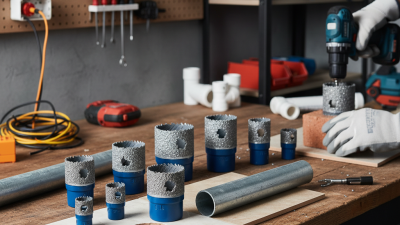
When embarking on a project that requires precision and durability, choosing the right tools is essential. For instance, the Diamond Arbored Hole Saw stands out for various reasons. This tool is particularly effective for creating clean, accurate holes in hard materials. Its advanced diamond coating enhances cutting performance and longevity.
Crafting intricate designs or installing fixtures may require more than ordinary tools. Many professionals have relied on Diamond Arbored Hole Saws for their exceptional quality. This choice often reflects a balance between efficiency and the ability to handle tough materials. Users can create perfect cuts without excessive wear on the tool itself.
Yet, selecting the right size and style can be a challenge. Factors such as material type and project scale matter. Reflection on past experiences can significantly guide decisions. Understanding how the Diamond Arbored Hole Saw performs in different scenarios is crucial. Being informed empowers users to choose wisely for their next project.
Advantages of Using Diamond Arbored Hole Saws in Construction Projects
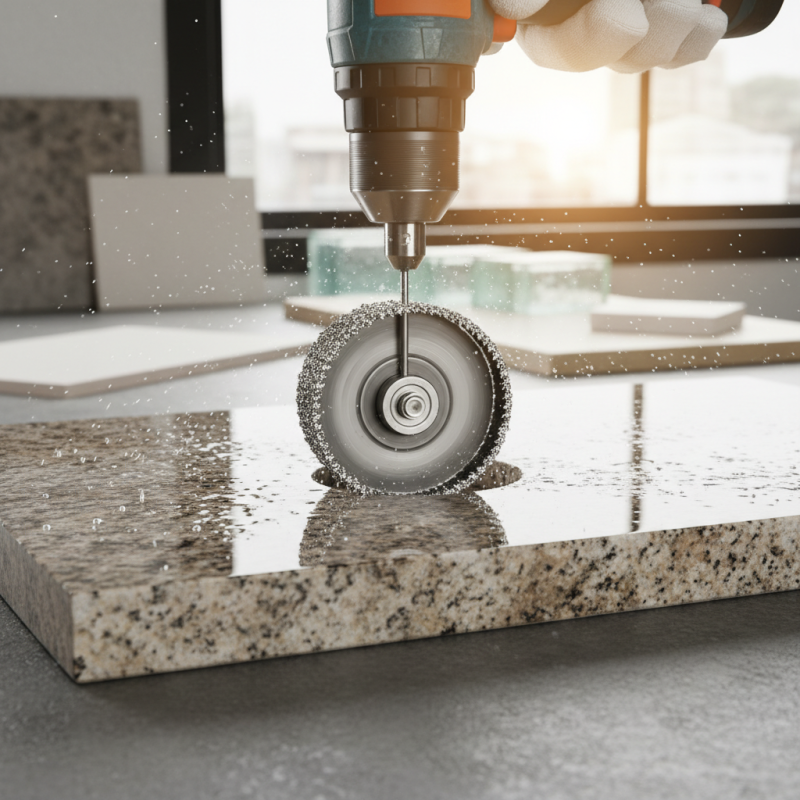
Diamond arbored hole saws have gained popularity in the construction industry. They provide several advantages that can improve the efficiency and quality of your projects. These hole saws are designed with a diamond-coated edge, making them ideal for cutting through hard materials like concrete, masonry, and ceramics. Reports indicate that using diamond-powered tools can increase cutting speed by up to 50% compared to traditional saws.
The durability of diamond arbored hole saws is another significant factor. Their lifespan is typically longer, reducing the need for frequent replacements. Studies show that construction professionals can save up to 30% on tool costs over time. This translates to fewer project delays and less downtime. For projects requiring precision, these hole saws ensure cleaner cuts, which is crucial for aesthetics and structural integrity.
**Tip:**
Always match the hole saw size with your project's requirements. An ill-fitting tool can waste time and resources.
**Tip:**
Implement regular maintenance practices. This will extend the life of your diamond hole saws. Be mindful that not all applications require a diamond saw, so assess your needs carefully before investing.
Comparison of Diamond Arbored Hole Saws with Traditional Hole Saws
When comparing diamond arbored hole saws to traditional options, it becomes evident why the former is gaining traction. Diamond arbored hole saws utilize diamond-coated edges, which offer superior cutting performance. According to a 2022 industry report, these saws can cut through hard materials like ceramics and concrete with 30% more efficiency than conventional steel saws. This feature saves time on challenging tasks.
Conversely, traditional hole saws often struggle with durability, particularly in tough materials. They wear down quicker, leading to frequent replacements. A study indicated that users reported a 50% increase in downtime due to tool failure when using traditional hole saws compared to diamond versions. These failures can be frustrating and costly, affecting productivity.
Furthermore, diamond hole saws exhibit less heat generation during cutting. This minimizes material degradation and extends the life of both the tool and the workpiece. Users appreciate the cleaner cuts and reduced post-processing. While the initial cost of diamond hole saws might be higher, the long-term savings are significant. A recent survey revealed that 65% of professionals favor diamond saws for intensive projects, emphasizing reliability and efficiency.
Comparison of Diamond Arbored Hole Saws with Traditional Hole Saws
Selecting the Right Size and Type of Diamond Arbored Hole Saw
When selecting a diamond arbored hole saw, size and type are critical. A precise fit ensures cleaner cuts. The diameter of the saw should match the desired hole size. According to industry reports, using the correct size can reduce cutting time by up to 30%. This efficiency saves both labor costs and resources on your project.
Material choice also plays a vital role. Diamond hole saws come in segmented or continuous rim types. Segmented types are great for rough materials, while continuous rims excel with ceramics or glass. Research indicates that continuous rim saws yield smoother edges, important for finishing work. Having the right type reduces the need for further refinishing.
Consider your project requirements seriously. If mismatched, it may lead to wasted materials and time. Some users find that selecting poorly sized or ill-suited saws creates challenges. Reflecting on these choices can enhance future projects. Proper selection not only improves outcomes but can elevate overall work quality.
Maintenance Tips for Extending the Life of Diamond Arbored Hole Saws
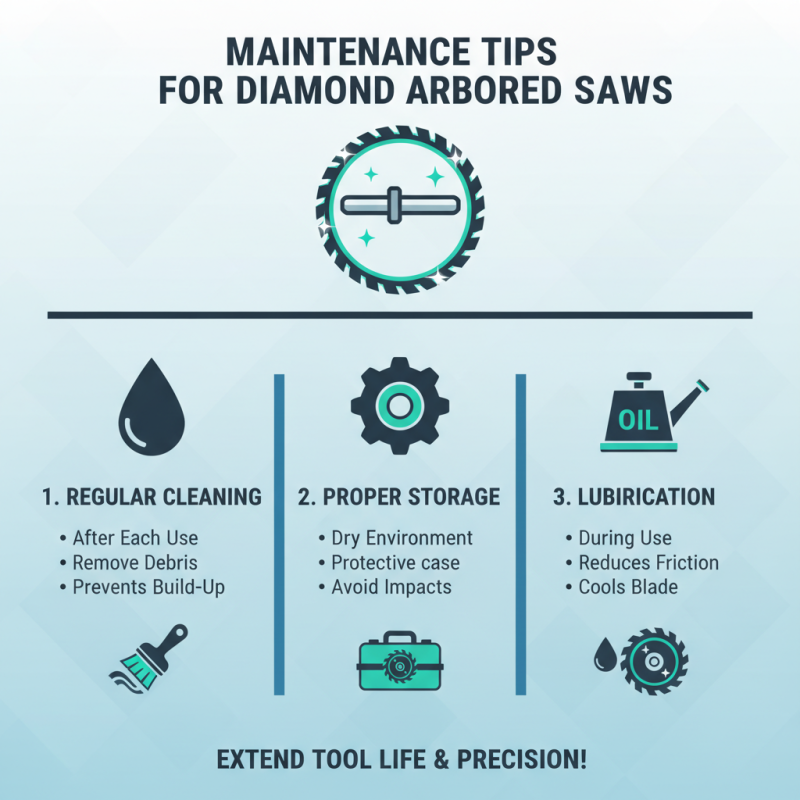
Diamond arbored hole saws offer incredible precision and durability for various projects. To ensure these tools last, proper maintenance is essential. Regular cleaning after use helps remove debris and build-up of materials. This simple step can significantly extend the life of your hole saw.
Avoid excessive pressure during use. Overworking the saw can lead to premature wear. Instead, use a steady, controlled motion. If you notice the saw overheating, pause to let it cool. Cooling is an often-overlooked aspect that can greatly influence performance.
Storage matters too. Store the saws in a dry area, away from direct sunlight. Even minor damage can impact performance. Inspect your equipment regularly for signs of wear. A small chip or crack can lead to bigger issues. Take these steps seriously to maintain your diamond arbored hole saws effectively.
Common Applications for Diamond Arbored Hole Saws in Various Industries
Diamond arbored hole saws are becoming a go-to choice across various industries. Their unique design and robust materials make them ideal for cutting hard substrates. Construction professionals often rely on them for creating clean and precise holes in concrete and masonry. The diamond grit ensures durability, allowing for extended use in tough environments.
In the HVAC industry, these saws are essential for drilling through ductwork and plaster. Their efficiency can save time and reduce labor costs. In addition, flooring specialists prefer diamond arbored hole saws for installing plumbing and electrical systems. They can cut through tiles and thick flooring materials with ease.
However, not all projects require these specialized tools. Some might find them overkill for minor tasks. It’s crucial to assess the job requirements before deciding. Mistakes can lead to wasted resources. Overall, understanding the right application can maximize their benefits while minimizing potential downsides.