How to Choose the Best Deep Hole Saw Bits for Your Projects?
When embarking on a project, selecting the right tools is crucial. This is especially true for deep hole drilling. Deep Hole Saw Bits play a significant role in achieving precision and efficiency. Choosing the appropriate bits can greatly enhance your work quality. It's essential to understand the different types available.
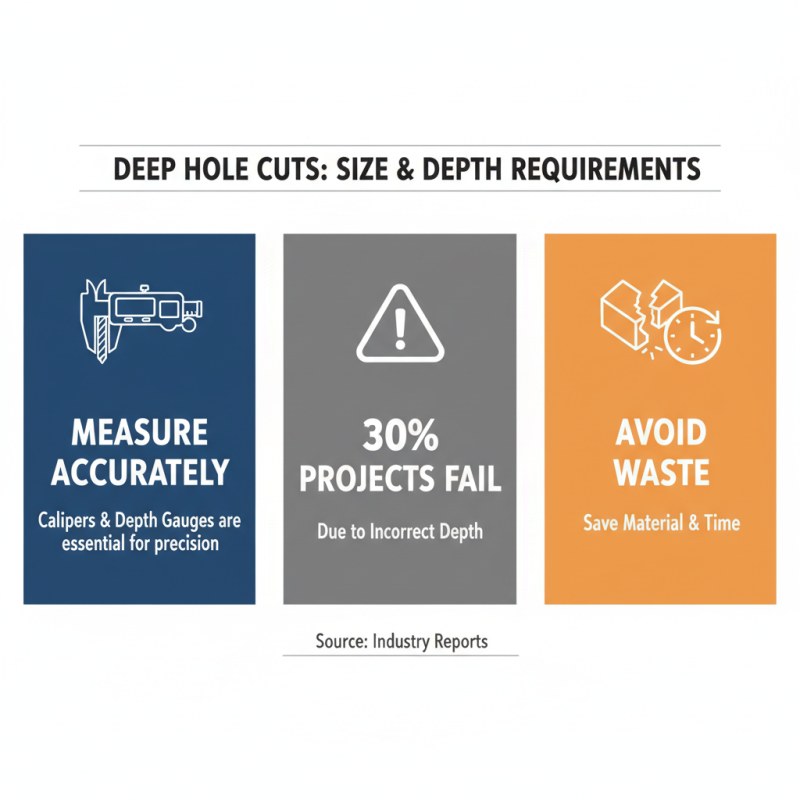
Many users underestimate the importance of choosing the right depth and diameter. Each project has unique requirements. Some bits may work well for hardwood, while others may struggle. Research and knowledge play vital roles in this decision-making process. Seek expert opinions to gauge which bits best suit your needs.
In practical applications, even experienced users face challenges. Factors such as bit wear and overheating can affect outcomes. Analyzing previous projects can provide insight into what went wrong. A thoughtful approach will ultimately yield better results. Understanding these nuances is key when investing in Deep Hole Saw Bits.
Understanding the Different Types of Deep Hole Saw Bits Available
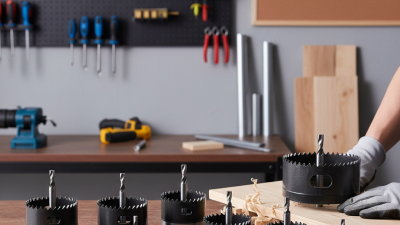
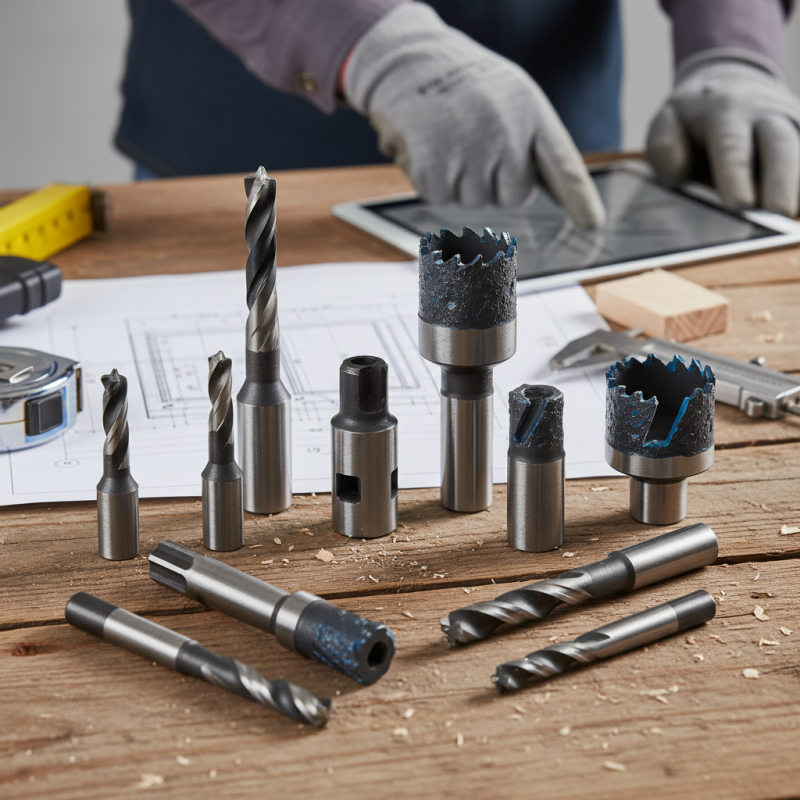
When selecting deep hole saw bits, understanding the various types is crucial for project success. These bits are designed to create deep, cylindrical holes efficiently. Materials vary, impacting their performance. Common types include bi-metal, carbide-tipped, and diamond core drill bits. Each type serves distinct applications, from woodworking to masonry.
Bi-metal bits are a popular choice, composed of high-speed steel and alloy steel. They offer durability and flexibility. A 2023 materials report indicated that bi-metal bits account for over 45% of the market share due to their versatility. However, they may struggle in particularly tough materials.
Carbide-tipped bits, on the other hand, excel in harder materials like stainless steel or concrete. They maintain sharpness longer, providing cost-effective longevity. However, they are often more expensive, raising budget considerations. A deep dive into industry data shows that while carbide-tipped bits account for less than 30% of sales, their performance justifies the investment in specialized situations. Understanding these attributes can guide users in making informed decisions for their specific needs.
Factors to Consider When Selecting Deep Hole Saw Bits for Projects
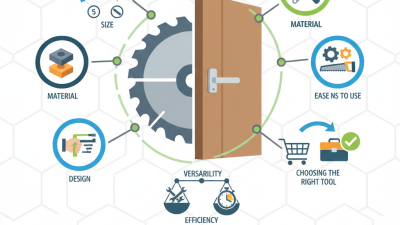
When choosing deep hole saw bits, several factors come into play. The material of the bits matters greatly. High-speed steel (HSS) bits work well for softer materials, while carbide tips excel in harder substances. Consider the cutting depth you need for your specific projects. Some bits offer greater depth, but they can be less stable.
Another important factor is the size of the hole saw. Larger diameters will remove more material, but they require more power and stability during use. Matching the size of the bit to your drill is crucial. Not all drills can handle big bits, and this can lead to poor performance or even breakage.
User feedback often highlights the importance of compatibility. If the bit doesn't fit your tool, it's not worth the investment. Observing the feedback can help identify reliable options. Every project is different, so test a few options when in doubt. Sometimes, the optimal choice isn't perfect on paper, but works best in practice.
Deep Hole Saw Bits Selection Factors
Material Compatibility: Choosing Bits Based on Workpiece Material
When selecting deep hole saw bits, material compatibility is crucial. Different types of materials require specific bits to achieve the best results. For wood projects, bi-metal or high-speed steel bits often work well. They can cut through various types of wood effortlessly. However, using a standard wood bit on metal can lead to frustrating results.
For metalworking, cobalt or carbide bits are typically recommended. These materials are harder and more durable, allowing for clean cuts in tougher metals. But users should be cautious. Using a bit designed for metal on soft materials like drywall might not provide the precision needed. The wrong choice can lead to excessive wear on the bit and poor results.
Reflecting on your past projects can be insightful. Did you face issues with chipping or binding? Mistakes can be learning opportunities. Taking risks with materials can also lead to unexpected outcomes. Experimentation is valuable but requires patience and careful observation. By focusing on material compatibility, you enhance your chances for success in any project.
Evaluating Brand Reputation and User Reviews for Quality Assurance
When choosing deep hole saw bits, evaluating brand reputation is crucial. Reputable brands often stand out due to their quality and durability. Take time to explore user reviews online. Authentic feedback can reveal insights. Look for comments about performance and longevity. A well-reviewed product generally indicates reliability. Users often share their experiences, which can guide your decision-making.
Another aspect involves examining the materials used. Quality bits should be made from high-grade steel or carbide. Cheaper options may save money but can lead to frustrations later. Read through user reviews carefully. Look for repeated mentions of performance issues or broken bits. These patterns can tell you a lot about a product’s worth. Don't overlook the importance of warranty offered by brands either.
Sometimes, negative reviews emphasize important aspects. If many users report poor performance under specific conditions, it’s worth considering. Reflecting on both positive and negative feedback will help you make an informed choice. Remember, a balance of experience and opinions guides the best selections. Quality assurance requires diligence and a critical eye on what others have faced.
How to Choose the Best Deep Hole Saw Bits for Your Projects?
| Diameter (inches) |
Material |
Cutting Depth (inches) |
User Rating (out of 5) |
Number of Reviews |
Brand Reputation |
| 1 |
High-Speed Steel |
2 |
4.5 |
350 |
Excellent |
| 1.5 |
Bi-Metal |
2.5 |
4.2 |
220 |
Very Good |
| 2 |
Carbon Steel |
3 |
3.8 |
150 |
Good |
| 2.5 |
Tungsten Carbide |
4 |
4.8 |
400 |
Outstanding |