How to Choose the Best Bi Metal Hole Saw for Your Projects?
Selecting the right Bi Metal Hole Saw can significantly impact your project. These tools are essential for cutting through various materials with precision. However, not all Bi Metal Hole Saws are created equal. Understanding their features and specifications will guide your choice.
Consider the material you will be working with. Different Bi Metal Hole Saws are designed for wood, metal, or composite substances. It's crucial to match the tool to your specific needs. Evaluating tooth design and pitch is equally important. This affects cutting speed and finish quality.
A reliable Bi Metal Hole Saw should withstand heavy use and deliver consistent results. Researching brands and user reviews can help pinpoint the right option. Choosing a trusted manufacturer can enhance your confidence in your purchase. It's easy to overlook details, but they make a significant difference in performance. Always take time to assess your options before deciding.
Understanding Bi-Metal Hole Saws: Composition and Benefits
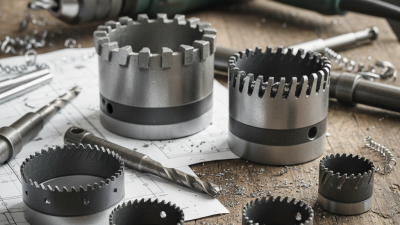
Bi-metal hole saws are a versatile tool choice for various projects. They consist of two different metals, typically high-speed steel welded to a carbon steel base. This unique composition creates a durable cutting edge that can handle tough materials like wood, metal, and plastic. The ability to cut through multiple surfaces makes them an essential addition to any toolbox. Their design allows for efficient heat dissipation, reducing the risk of damage during prolonged use.
Using a bi-metal hole saw has several advantages. They provide smooth cuts and require less force compared to standard holesaws. Their sharper teeth can create cleaner holes, minimizing the need for finishing work. However, it’s important to align the saw correctly before drilling to avoid misalignment. Even a small mistake can lead to uneven cuts or damage to the material. Regular maintenance, like cleaning the saw after use, can also improve its lifespan. A reflective approach to your cutting technique can enhance overall project quality.
How to Choose the Best Bi Metal Hole Saw for Your Projects?
| Diameter (inches) |
Teeth Count |
Material Compatibility |
Uses |
Typical Price ($) |
| 1 |
18 |
Wood, Plastic |
General Woodworking |
10 |
| 2 |
14 |
Metal, Wood |
Electrical Box Cutouts |
15 |
| 3 |
10 |
Composite, Metal |
HVAC Installation |
20 |
| 4 |
8 |
Metal, Wood, Plastic |
Plumbing and Electrical Work |
25 |
| 5 |
6 |
Plastic |
Specialized Applications |
30 |
Assessing Project Requirements: Size and Material Considerations
When selecting a bi-metal hole saw, project requirements play a crucial role. Understanding the size and material is essential. Different projects require different hole sizes. For example, a larger hole saw is better for plumbing or electrical work. Smaller sizes are ideal for cabinetry or delicate tasks. Consider what you will cut through as well. Wood and metal have distinct needs.
Tips: Measure a sample piece before purchasing. This ensures the hole saw fits your desired size. Always check the thickness of the material. You might think a standard size will suffice, but that can lead to issues.
Also, think about the material you are working with. Bi-metal hole saws are excellent for metal and harder woods. They offer durability and precision. If you often work with softer materials, other options may suffice. Reflect on your usual projects to choose wisely.
Tips: Don’t rush into a purchase. Research common materials and sizes for your typical tasks. This knowledge can prevent future complications. Think about your long-term needs, not just immediate ones.
Evaluating Hole Saw Features: Teeth Design and Durability
When selecting a bi-metal hole saw, the design of the teeth plays a crucial role. Teeth that are sharp and well-spaced can significantly enhance cutting efficiency. The design must cater to the material you intend to cut. For instance, wood applications may require thicker, more aggressive teeth for faster cuts. In contrast, metal applications benefit from finer teeth, which provide precision.
Durability is another vital factor. A robust hole saw can endure the rigors of heavy use without failure. Bi-metal hole saws are typically engineered for longevity, combining toughness and flexibility. Look for models with high-quality coatings that resist wear. However, it’s essential to examine the weld integrity of the core and the teeth. If a hole saw breaks during use, it can compromise your project and safety.
Reflecting on your needs can help in choosing the right tool. Consider the types of materials you frequently work with. Understanding how various designs perform can greatly influence your decision. Testing different types might expose you to options that work better than you expected. Make a choice that balances performance and reliability to achieve the best results in your projects.
Comparison of Bi-Metal Hole Saw Features
Comparing Brands and Models: Finding the Best Options on the Market
Choosing the right bi-metal hole saw is crucial for any project. Many brands offer various models, which can be overwhelming. When comparing different options, look for features like tooth design, cutting depth, and materials used. Each brand has unique offerings that cater to specific needs.
Some hole saws perform well on thin materials but struggle with harder surfaces. This inconsistency can lead to frustration. Reading user reviews can help identify which models work best for the tasks you have in mind. Users often share insights about their experiences and any shortcomings they encountered.
Don’t forget about the compatibility with your drill. Some models may not fit your equipment. Make sure to check specifications before making a decision. An informed choice requires looking beyond flashy marketing. Consider real-world performance and user feedback to find a reliable option that meets your project needs.
Maintenance Tips for Prolonging the Life of Your Hole Saw
Maintaining your bi-metal hole saw is essential for longevity and efficiency. Proper care can significantly extend its service life. Start by cleaning the hole saw after each use. Remove any debris or material that may have built up. A simple brush or cloth can do the trick. This helps prevent rust and extends the lifespan.
Storage is another critical factor. Store your hole saw in a dry place. Humidity can lead to corrosion. Consider placing it in a protective case to minimize exposure. Avoid stacking heavy items on top of your hole saw. Pressure can damage its teeth, leading to poor performance.
Lastly, inspect your hole saw regularly. Look for dull teeth or any signs of wear. If you notice any issues, address them promptly. Sharpening might be an option for minor dullness. Ignoring these signs can lead to subpar results in your projects. Taking these steps can enhance your cutting experience.