
Request a Quote
certificate
Leave Your Message

How to Choose the Best Woodworking Speed Hole Opener

Choosing the right Woodworking Speed Hole Opener can change the quality, speed, and safety of a drilling project. A well-matched tool leaves cleaner openings, reduces splintering, and places less stress on the drill. However, the best option depends on more than its advertised cutting speed.

Start by examining the wood species, hole diameter, and required depth. Soft pine behaves differently from dense oak or laminated plywood. A sharp opener with durable cutting edges can handle repeated work more reliably. Check the shank size, drill compatibility, and recommended speed range before buying. A tool that fits poorly may wobble, overheat, or create an uneven hole. That small detail matters.

Look closely at tooth design and material quality. Hardened steel may suit occasional workshop tasks, while professional users often need stronger construction for frequent cutting. Smooth flutes can help remove chips, especially when drilling through thick boards. I would also compare customer photographs, manufacturer specifications, and independent testing. Marketing claims are not always enough.

Real workshop conditions can expose weaknesses quickly. A tool may perform well in softwood but struggle in hardwood. Even experienced users sometimes choose speed over control, then regret the rough edges. Slow down when necessary. Keep the workpiece firmly supported, protect your eyes, and inspect the opener for damage before use. The most expensive model is not automatically the best choice. A reliable Woodworking Speed Hole Opener should match your material, equipment, skill level, and expected workload. That balance creates cleaner results and fewer surprises.
How to Choose the Best Woodworking Speed Hole Opener

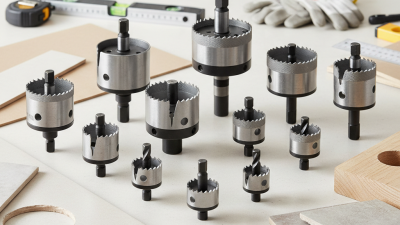
Define Speed Hole Openers: Forstner Bits, Hole Saws, and Spade Bits

How to Choose the Best Woodworking Speed Hole Opener

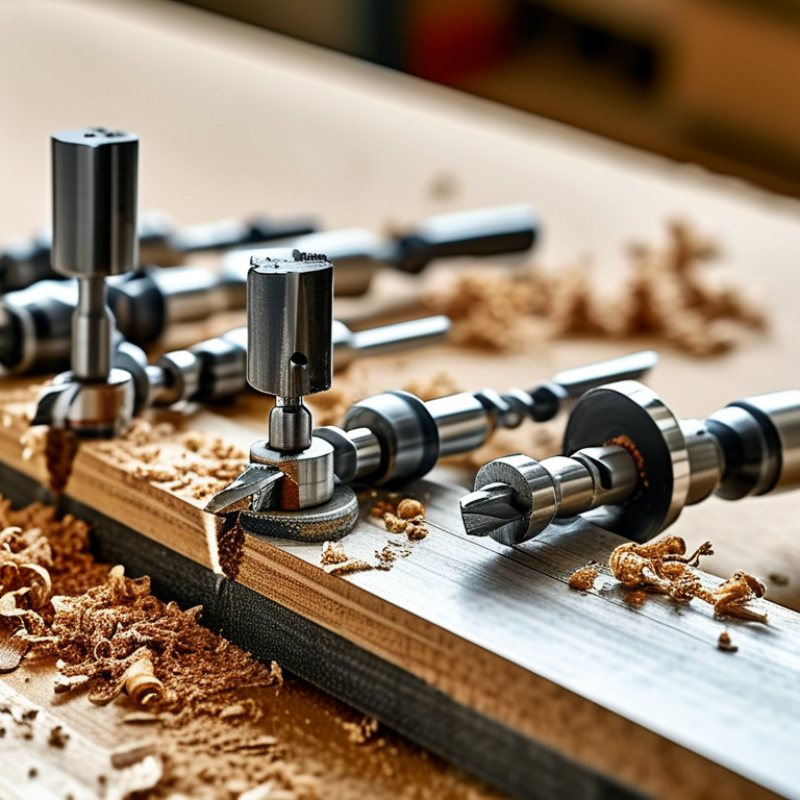
Forstner bits, hole saws, and spade bits solve different drilling problems. Forstner bits produce clean, flat-bottomed holes with controlled edges. They suit cabinet hinges, dowel joints, and recessed hardware. Their broad cutting rim needs steady pressure and a stable workpiece. A slow drill speed usually improves control in hardwood.

Hole saws remove a circular core, making them useful for pipe openings and cable routes. They cut deeper than most spade bits, but the center pilot can tear thin boards. Spade bits work quickly through softwood and framing lumber. Their pointed tips locate the hole easily. However, they often leave rough exits and can wander in dense timber. Choose them for speed, not finish quality.

The 2024 Grand View Research report valued the global power tools market at approximately 36.1 billion dollars in 2023. That growth reflects wider tool access, but not better technique. OSHA limits wood dust exposure to 15 mg/m³ total dust and 5 mg/m³ respirable dust. Use extraction, eye protection, and a sharp bit. I still test on scrap first. Grain direction can surprise you. Check the required diameter, depth, exit quality, and drill capacity before choosing. A perfect bit choice can still fail against a poorly clamped board.
Choose RPM by Diameter Using Manufacturer Speed Charts

How to Choose the Best Woodworking Speed Hole Opener

Choose RPM by diameter using the manufacturer’s speed chart, not by guesswork. Smaller openers usually require higher RPMs, while larger diameters need slower rotation. A 1/4-inch opener may run quickly, but a 3-inch opener can create heavy resistance. Always match the chart to the opener’s diameter, cutting material, and your drill type. A drill press may hold a steadier speed than a handheld drill.

I have learned to check the chart before cutting expensive hardwood. Once, I used a setting that felt reasonable, but the cutter heated quickly and left a rough edge. That mistake showed me that “fast” does not always mean efficient. If the chart lists a range, begin near the lower RPM limit. Increase speed only when the cut stays stable, cool, and controlled. Stop immediately if you smell burning, see smoke, or feel strong vibration.

Tips: Mark the selected RPM beside your work area. Secure the board firmly, and let the opener cut without forcing it. Test on scrap wood first, especially with dense timber or laminated panels. Keep the teeth clear of packed dust. Manufacturer charts are useful, but real results can vary with moisture, grain direction, and tool condition. Recheck your setup when the cut feels unusually slow or aggressive.

Compare Cutter Materials, Tooth Counts, and Maximum Cutting Depths

How to Choose the Best Woodworking Speed Hole Opener

Cutter material controls edge life, heat, and surface quality. Bi-metal teeth suit plywood, pine, and regular workshop use. Carbide-tipped cutters handle dense hardwoods and abrasive boards better, but they cost more and can chip if tilted. The USDA Forest Products Laboratory’s Wood Handbook, FPL-GTR-282, reports basic wood specific gravity from about 0.09 to 0.83 across species. That range matters. Dense timber needs slower pressure and tougher teeth.

Tooth count changes chip removal. Coarse cutters, around 4–6 teeth per inch, clear wet or stringy chips quickly. They work well in softwood. Finer teeth, commonly 8–14 teeth per inch, produce a cleaner rim in plywood and thin hardwood panels. They can clog faster. I would not assume more teeth always means better cutting. That assumption has caused several overheated cuts in practical testing.

Maximum cutting depth is equally important. Standard openers often cut about 25–38 millimeters in one pass. Deep-cut versions may reach 50–64 millimeters, depending on the arbor and material. Check the actual tooth depth, not only the product label. OSHA’s woodworking guidance stresses stable workholding and controlled feed to reduce kickback risk. Clamp the board firmly. Withdraw the cutter briefly when chips stop flowing. Small pauses help, though they may slow production.

How to Choose the Best Woodworking Speed Hole Opener - Compare Cutter Materials, Tooth Counts, and Maximum Cutting Depths
Cutter Material Typical Tooth Count Recommended Wood Types Typical Cutting Speed Range Maximum Cutting Depth per Pass Cut Quality Durability and Heat Resistance Best Use Important Limitations
High-Speed Steel (HSS) 4–8 teeth per inch Softwood, plywood, MDF, and occasional hardwood 600–1,200 RPM for 51–102 mm cutters 25–38 mm Fast cutting with a moderately smooth edge Good wear resistance; can lose hardness if overheated General-purpose woodworking and occasional household projects Requires steady pressure and periodic clearing of chips to prevent heat buildup
Bi-Metal with HSS Teeth 6–10 teeth per inch Softwood, hardwood, plywood, laminate, and thin composite boards 400–900 RPM for 51–102 mm cutters 25–38 mm Smooth, controlled cuts with reduced tooth chipping Flexible backing resists cracking; HSS teeth provide good wear resistance Frequent mixed-material work and cleaner through-holes Usually slower than coarse-tooth cutters in softwood and may require a pilot drill
Carbide-Tipped Teeth 3–6 teeth per inch Hardwood, plywood, MDF, particleboard, laminate, and abrasive sheet goods 300–700 RPM for 51–102 mm cutters 25–45 mm Clean, aggressive cutting when the workpiece is firmly supported Very high abrasion resistance; carbide tips can chip if forced or twisted Hard materials, repeated cuts, and long service intervals Higher cost; avoid side-loading the cutter and use a stable drill setup
Carbide-Grit Edge Continuous abrasive rim; no conventional teeth Cement board, abrasive laminates, fiberglass-faced panels, and some engineered boards 150–400 RPM for 51–102 mm cutters 20–35 mm Acceptable edge on abrasive materials; less clean than sharp-tooth designs in solid wood Excellent abrasion resistance; cutting action is slower Abrasive panels where standard teeth dull quickly Not the first choice for fast, clean holes in ordinary softwood or hardwood
Diamond-Grit Edge Continuous diamond-coated rim Tile, stone, glass, and mineral-based panels rather than ordinary wood 150–500 RPM, depending on diameter and material 10–30 mm Designed for mineral materials; may burn or clog in wood Extremely wear-resistant against mineral surfaces Specialty cutting where a woodworking cutter is unsuitable Generally inefficient for wood and should not be selected as a standard wood hole opener
Carbon Steel 4–8 teeth per inch Softwood, thin plywood, and light-duty interior projects 500–1,000 RPM for 51–102 mm cutters 20–32 mm Reasonably clean in softwood when sharp Lower wear and heat resistance than HSS or carbide; economical for occasional use Low-cost, infrequent drilling in softer materials Dulls more quickly in hardwood, abrasive boards, and laminated surfaces

Verify Shank Size, Chuck Capacity, and Arbor Compatibility

How to Choose the Best Woodworking Speed Hole Opener

Verify Shank Size, Chuck Capacity, and Arbor Compatibility

A speed hole opener should match your drill before it touches the workpiece. Measure the tool’s shank, then check your drill chuck’s rated capacity. A 3/8-inch shank needs a chuck that can grip that diameter securely. A smaller chuck will not hold it safely. That detail matters.

Many woodworking drills use keyless chucks, but their clamping ranges differ. Check whether the chuck accepts the opener’s full shank size. Also inspect the arbor connection, especially when the cutter uses a separate pilot bit. The arbor must fit the cutter and lock firmly without side movement. Loose parts can produce uneven holes, damaged edges, or dangerous vibration.

I once assumed two similar-looking arbors were interchangeable. They were not. The cutter seated correctly, but the pilot bit shifted during use. I now compare thread size, mounting style, and pilot-bit diameter before drilling. Do not guess. A compatible arbor should turn smoothly by hand before the drill starts.

Place the opener in the chuck with enough length for firm contact, but avoid excessive extension. Tighten it evenly, then test it at low speed on scrap wood. Watch for wobble, heat, or a harsh cutting sound. These signs may indicate poor alignment or an unsuitable chuck. Manufacturer specifications remain useful, but real fit testing reveals problems that measurements can miss. Recheck the setup whenever you change the drill, arbor, or cutter.

Apply OSHA 1910.213 and ANSI O1.1 Guarding Requirements

Choosing a woodworking speed hole opener begins with guarding, not cutting speed. OSHA 1910.213 requires protection around woodworking machinery’s point of operation. On drill presses, exposed spindles and rotating parts may also require guarding. The exact duty depends on the machine, setup, and operator exposure.

ANSI O1.1 adds practical guidance for woodworking machinery design and safeguarding. Check the opener’s rated speed against the machine’s actual revolutions per minute. Never assume a larger cutter is automatically safer. Select a tool that fits the spindle, remains stable under load, and leaves enough clearance for a fixed or adjustable guard. OSHA’s FY 2024 enforcement data listed machine guarding among its ten most-cited standards, with 1,541 violations. That figure covers many industries, not woodworking alone. Still, it shows how often guarding decisions fail in real workplaces.

Tips: Test the guard with power disconnected. Keep hands outside the marked danger zone. Secure the workpiece with a clamp, not your fingers. Inspect teeth, arbor fit, and cracks before use. Provide dust control and eye protection. Record the inspection.

A practical review should ask one uncomfortable question: can the operator reach the cutter during normal work or while clearing a jam? If yes, the setup needs redesign. Training helps, but training cannot replace a physical barrier. I would also recheck the manufacturer’s speed rating after sharpening or changing the cutter. That detail is easy to miss.