High Speed Hole Opener Tips for Efficient Drilling Techniques?
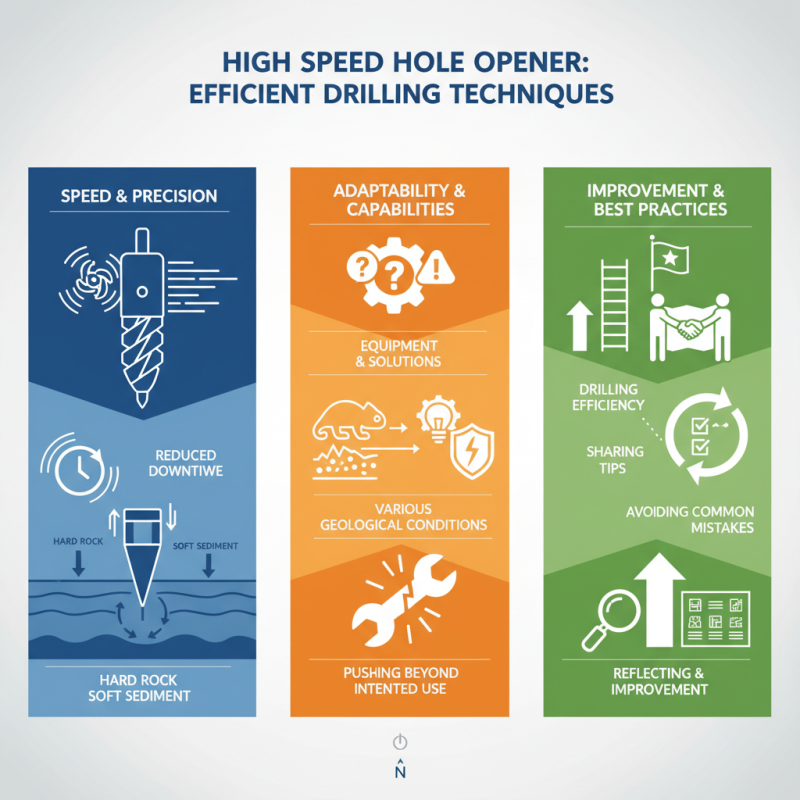
The use of a High Speed Hole Opener can greatly enhance drilling efficiency. In today's competitive drilling industry, minimizing time and maximizing results is essential. High Speed Hole Openers provide significant advantages in various geological conditions. They can penetrate hard materials quickly, reducing downtime.
Drillers often face difficulties due to equipment limitations. The right tools can make a difference. A High Speed Hole Opener's design focuses on speed and precision. This tool can adapt to different environments, which expands its usability. Drilling teams need to understand its capabilities and limitations. Sometimes, it may be tempting to push a tool beyond its intended use, leading to unexpected problems.
Improving drilling techniques is an ongoing challenge. Sharing tips on using a High Speed Hole Opener effectively can help avoid common mistakes. Understanding best practices is vital for better performance. Each drilling project presents unique challenges. Reflecting on past experiences can reveal areas for improvement.
Understanding High Speed Hole Openers in Drilling Operations
High speed hole openers have become an essential tool in drilling operations. They are designed to enhance penetration rates. Understanding their mechanics is crucial for efficiency. These openers operate at high RPMs, allowing for rapid material removal. Reports indicate a potential 30% increase in drilling speed when using high speed hole openers. This can lead to significant cost savings in large projects.
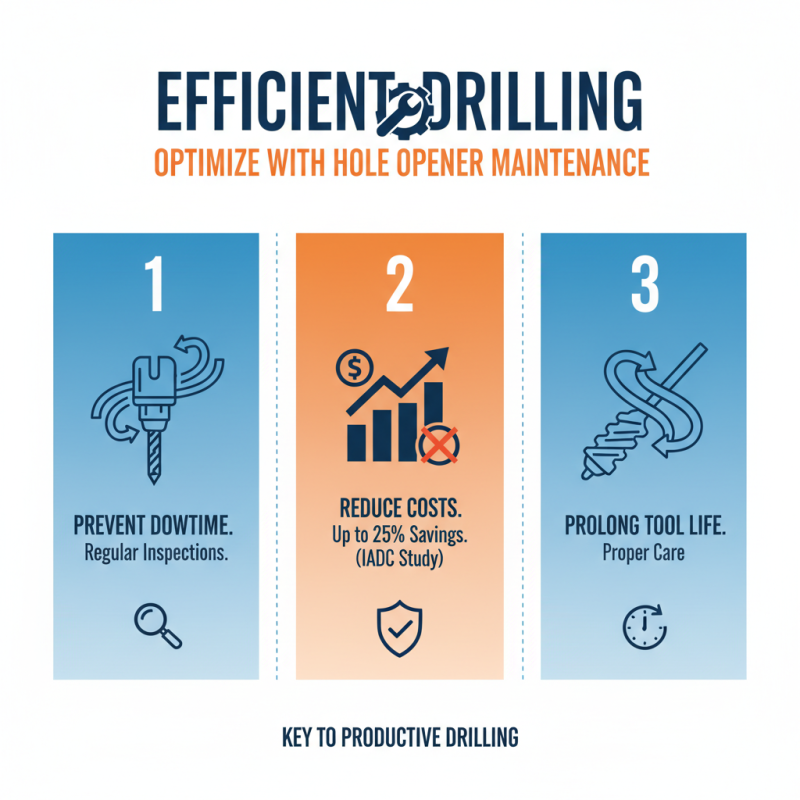
When utilizing high speed hole openers, it's important to pay attention to bit selection. Choosing the right material can impact performance. Carbide-tipped bits are often preferred for their durability. However, they can be costly. Keep in mind the balance between upfront cost and long-term efficiency. Regular maintenance is another critical aspect. A poorly maintained opener can lead to reduced effectiveness and increased downtime.
Here are some useful tips to improve your drilling operations. Monitor the weight on the bit carefully. Too much pressure can lead to premature wear. Also, adjust the RPM based on the material being drilled. Not all substrates react the same way. Always evaluate performance after each drilling session. Learning from mistakes is part of the process. Reflecting on what worked—and what didn’t—can lead to continuous improvement.
High Speed Hole Opener Performance Metrics
This chart represents the performance metrics associated with high speed hole openers during drilling operations. Key metrics include drilling speed, feed rate, bit wear, and rock hardness, which are vital for assessing drilling efficiency and optimizing techniques.
Key Factors Influencing Drilling Efficiency with Hole Openers
Efficient drilling techniques play a crucial role in the oil and gas industry. Numerous studies show that drilling efficiency can be greatly influenced by several key factors. Among them, the design of high-speed hole openers stands out. The right choice can reduce cycle times by up to 30% in some cases.
Temperature and pressure conditions also impact drilling. High temperatures can affect drill bit performance, while pressure alters rock integrity. A recent report indicates that maintaining optimal conditions can increase overall effectiveness by 20%. Thus, understanding these variables is essential for maximizing productivity.
Tips: Choose the right hole opener for your specific application. Analyze the rock formations beforehand. Monitor drilling parameters closely. Ensure proper bit wear and tear maintenance. These actions can prevent costly downtime. Focus on efficient data gathering too; not addressing data performance can lead to inefficiencies. Always be prepared to revisit your strategies.
Balancing drilling speed with
safety protocols is another area needing reflection. Overemphasis on speed can lead to accidents. Safety in drilling operations should never be an afterthought. Emphasizing both efficiency and safety ensures sustainable practices within the industry.
Common Challenges and Solutions in High Speed Drilling Techniques
High speed drilling presents many challenges. One common issue is excessive heat generation. Heat can damage drill bits and reduce efficiency. Proper cooling fluids can mitigate this risk. However, operators often overlook the importance of cooling, leading to quick wear and tear.
Vibration during drilling is another challenge. It can result in inaccurate hole placement. Using high-quality stabilizers can help reduce vibrations. Yet, these tools might not be readily available on every job site. In such cases, adjusting the drilling parameters becomes crucial. Finding the right balance remains a challenge for many.
Lastly, the choice of materials impacts drilling success. Softer materials may give way easily, while harder ones cause frustration. Understanding the geology before drilling can help. But, field conditions often differ from expectations. It’s essential to adapt quickly and learn from these experiences for improved future outcomes.