What is a Hole Opener and How Does It Work?
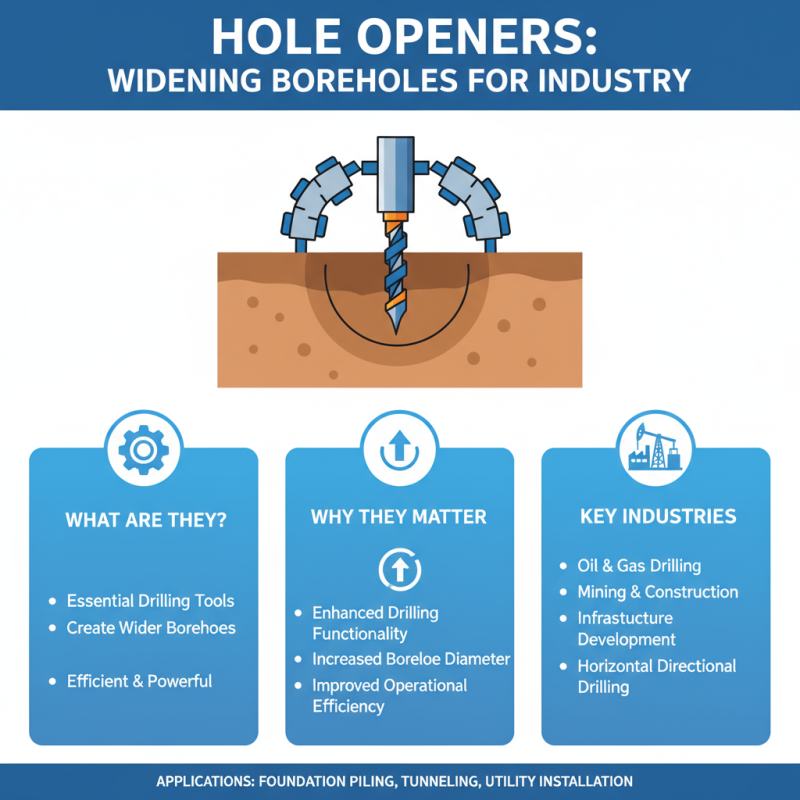
In the drilling industry, a Hole Opener plays a crucial role. This tool enlarges existing boreholes to allow for various operations. According to John Smith, a leading expert in drilling technology, “A Hole Opener is essential for efficient drilling processes.”
These tools vary in design and functionality. Depending on the job, a Hole Opener can be fitted with different cutters. This flexibility helps adapt to diverse geological conditions. However, not all operators fully understand their capabilities. Sometimes, the wrong choice leads to inefficiencies or increased costs.
Proper usage of a Hole Opener can significantly enhance drilling efficiency. Yet, mistakes happen. Operators may overlook maintenance, which affects performance. Awareness of these issues can lead to better practices in the field. The importance of a Hole Opener cannot be overstated, yet its potential remains underutilized in some areas.
What is a Hole Opener?
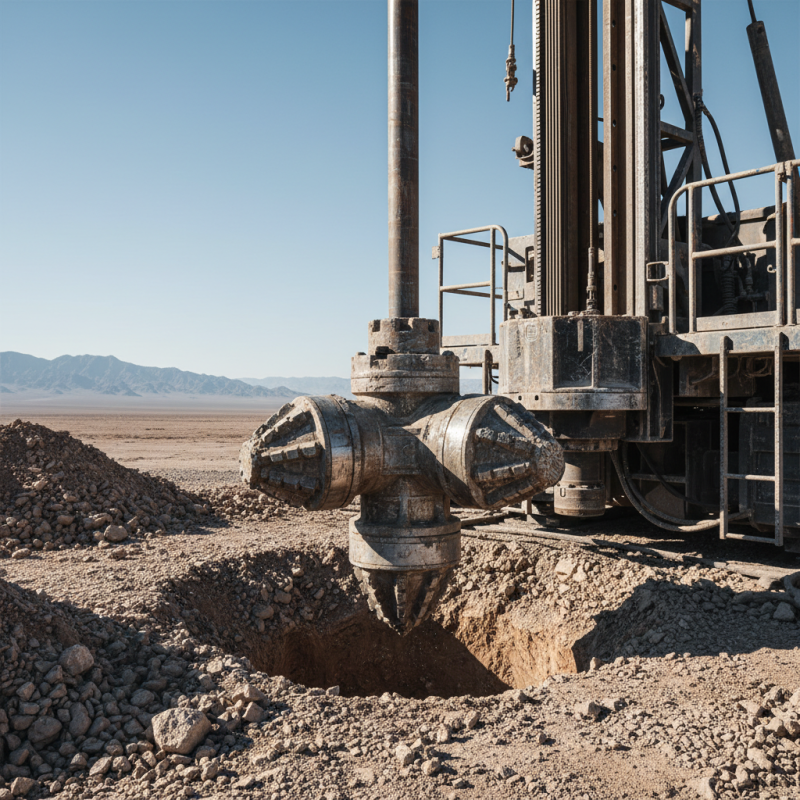
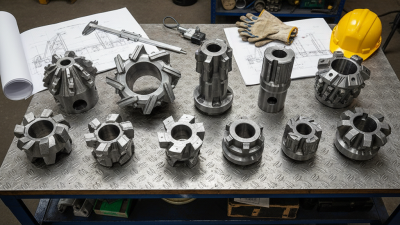
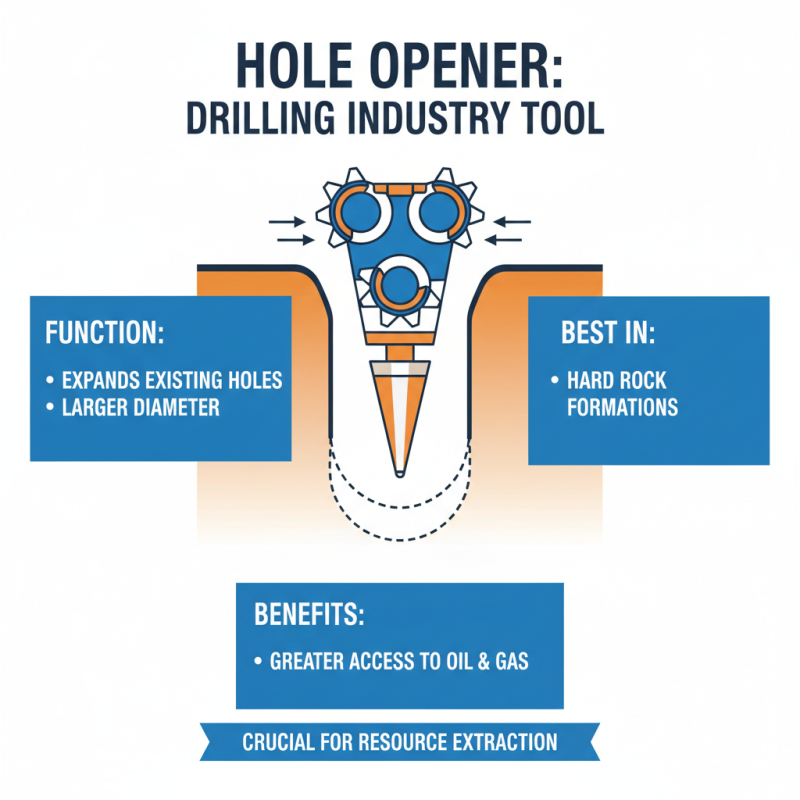
A hole opener is a specialized tool used in drilling operations. It’s designed to enlarge existing holes. This tool is typically attached to a drill string and works to cut through various materials such as rock and soil. By creating a larger diameter, it allows for better access to underground resources.
Using a hole opener may seem straightforward, but it requires some skill. Operators must select the right type for the material they are drilling. Different formations require different approaches. Awareness of the surrounding environment is essential. This can prevent complications during drilling.
Tips: Ensure your equipment is well-maintained. Blunt bits can hinder progress and efficiency. Regular inspections can save time and resources. Understanding your drill’s capabilities is crucial. Sometimes, operators may misjudge the appropriate speed or weight.
In some cases, operators may face unexpected challenges. Hard rock or abrasive formations can slow down drilling. It's important to anticipate these issues. Adaptability is key. If a method isn't working, be prepared to reassess your strategy. Effective communication within the team can also enhance performance and efficiency.
Key Components of a Hole Opener
A hole opener is a vital tool in drilling operations. It enhances the efficiency of creating larger diameter holes. Understanding its key components helps in maximizing its potential.
The primary component is the body. This structure supports all other parts. It holds the cutting elements securely and withstands the harsh drilling environment. According to a recent industry report, the durability of the body is crucial for reducing operational downtime. A well-designed body can extend the life of the hole opener by 30%, resulting in significant cost savings.
The cutting elements are equally important. These include blades and inserts that penetrate various materials. Their effectiveness determines how quickly a hole can be opened. Data shows that superior cutting elements can boost penetration rates by 25%. However, not all applications require the same type of cutting element. It's a common mistake to use a one-size-fits-all approach. Customizing these elements based on material composition can make a considerable difference in performance.
The gauge structure helps maintain the diameter of the hole. It ensures stability during drilling. But if this component is too rigid, it may lead to excessive wear. Balancing flexibility and strength is a critical consideration. Understanding these key elements allows for better planning and execution in drilling operations.
What is a Hole Opener and How Does It Work? - Key Components of a Hole Opener
| Component |
Description |
Function |
| Cutter Body |
The main body that houses the cutting elements. |
Transmits rotational force to the cutters. |
| Cutting Inserts |
Replaceable elements that perform the actual cutting. |
Facilitates drilling through various materials. |
| Pilot Hole |
A smaller hole drilled to guide the hole opener. |
Ensures accurate placement and drilling depth. |
| Bearing Assembly |
Allows for smooth rotation of the cutting elements. |
Reduces friction and wear during operation. |
| Shank |
The part of the hole opener that connects to the drill. |
Transfers torque from the drill to the cutter body. |
Maintenance Tips for Hole Openers
Maintaining a hole opener is crucial for its longevity and efficiency. Regular inspections can help identify wear and tear before they become serious issues. Check for any visible signs of damage, such as cracks or dull blades. A simple visual inspection can save time and money.
Cleaning the hole opener after each use is important. Dirt and debris can clog the device, reducing its performance. Use a soft brush to remove any residue. Sometimes, you might overlook this step, thinking it’s not necessary. However, neglect can lead to significant issues down the line.
Lubrication plays a key role as well. Proper lubrication minimizes friction and helps the tool operate smoothly. Apply a light coat regularly, especially after extended use. Remember to follow the manufacturer’s recommendations for the lubrication type. Taking shortcuts here might seem harmless but could cause long-term damage. Regular maintenance ensures your hole opener remains effective and reliable.
Hole Opener Performance Analysis