What is a Large Hole Saw and How to Choose the Right One for Your Projects
In the realm of woodworking and construction, the Large Hole Saw has emerged as an essential tool for professionals and DIY enthusiasts alike. Expert carpenter James Anderson emphasizes its utility: "A quality Large Hole Saw can turn a daunting task into a simple one, making precision cuts in a variety of materials." With the versatility to accommodate different applications, from installing plumbing to creating stylish light fixtures, understanding how to choose the right Large Hole Saw for your projects is crucial.
Selecting the correct Large Hole Saw not only impacts the efficiency of your work but also the quality of the final result. Various factors such as the size, material, and purpose of the hole are vital considerations that can lead to more successful outcomes. The right tool not only ensures cleaner cuts but can also save time and minimize frustration. In this guide, we will explore the features that define an effective Large Hole Saw and provide insights to help you make an informed decision tailored to your specific needs.

Understanding the Basics of Large Hole Saws
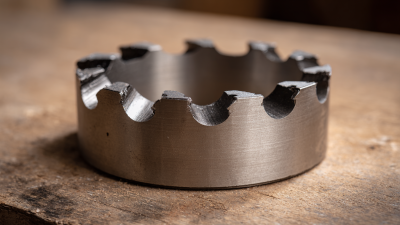
Large hole saws are specialized tools designed for cutting wide-diameter holes in various materials such as wood, metal, and plastic. Unlike standard drill bits, large hole saws feature a cylindrical shape with serrated edges, allowing them to create clean and precise holes for applications ranging from plumbing and electrical installations to crafting and repairs. They are particularly useful for tasks that require the removal of a significant material area, making them an essential tool for both professionals and DIY enthusiasts.
When choosing the right large hole saw for your projects, it's important to consider several factors. First, assess the material you will be working with, as different saws are optimized for specific materials. For instance, wood hole saws typically have a different tooth design than those intended for metal or tile. Additionally, consider the size of the hole you need to create. Large hole saws come in various diameters, and selecting the right size is crucial for achieving the desired outcome. Furthermore, look at the quality and durability of the saw - a well-made tool will provide accurate cuts and withstand repeated use, ensuring you get the job done efficiently.
Types of Large Hole Saws and Their Applications
Large hole saws are essential tools for a variety of projects, and understanding the different types available can significantly enhance your work efficiency. The most common types of large hole saws include bi-metal, carbide-tipped, and diamond-coated saws, each designed for specific applications.
Bi-metal hole saws are versatile and suitable for cutting through wood, metal, and plastic, making them ideal for general-purpose tasks. Carbide-tipped hole saws excel in cutting through tougher materials like tile and masonry, while diamond-coated saws are perfect for precision work on glass and stone due to their ability to handle dense materials.
When selecting a large hole saw, it’s crucial to consider the material you will be working with. For softer materials such as wood, a bi-metal saw might serve you best. However, if your project involves ceramic tiles, a carbide-tipped or diamond-coated option would provide cleaner cuts and greater durability.
Tips: Always check the size and compatibility of the hole saw with your drill before making a purchase. Additionally, consider the depth of cut required and ensure that the hole saw can accommodate it to avoid interruptions during your project. Investing in high-quality saws may cost more initially, but they can save you time and effort in the long run.
Factors to Consider When Choosing a Large Hole Saw
When choosing a large hole saw for your projects, there are several key factors to keep in mind. First and foremost, the diameter of the hole saw is critical; common sizes range from 1 inch to 6 inches, with larger options available for specialized tasks. It's essential to assess the materials you'll be working with—whether wood, metal, or masonry—as different hole saws are engineered for specific materials. For instance, bi-metal hole saws can tackle both wood and thin metal effectively, while carbide-tipped versions are better suited for tile and concrete.
Another important consideration is the tooth count and design of the saw. A saw with a higher tooth count will provide a smoother cut, but it may also result in slower drilling speeds. Conversely, a lower tooth count generally allows for quick drilling at the expense of surface finish quality. According to industry reports, a well-chosen hole saw can improve cutting efficiency by up to 25%, particularly when matched to the correct material and application.
Tips: Always check the saw's depth when selecting a hole saw; a shallow drill may limit its effectiveness for deeper projects. Additionally, consider investing in pilot bits for more accuracy, as they can help keep the hole saw stable during use. Finally, don’t overlook the importance of using appropriate cutting fluids, especially for metal applications, which can extend the life of the saw and enhance performance.
What is a Large Hole Saw and How to Choose the Right One for Your Projects - Factors to Consider When Choosing a Large Hole Saw
| Feature |
Description |
| Material |
High-speed steel, carbide-tipped, or bi-metal |
| Diameter Range |
Typically from 1 inch to 6 inches |
| Cutting Depth |
Varies; usually from 1 inch to 2.5 inches |
| Usage |
Wood, metal, plastic, and masonry |
| Shank Type |
SDS, 1/4" hex, or standard arbors |
| Cooling Feature |
Some designs include slots for cooling |
| Prices |
Ranges from $10 to $100 depending on specifications |
Steps for Using a Large Hole Saw Effectively
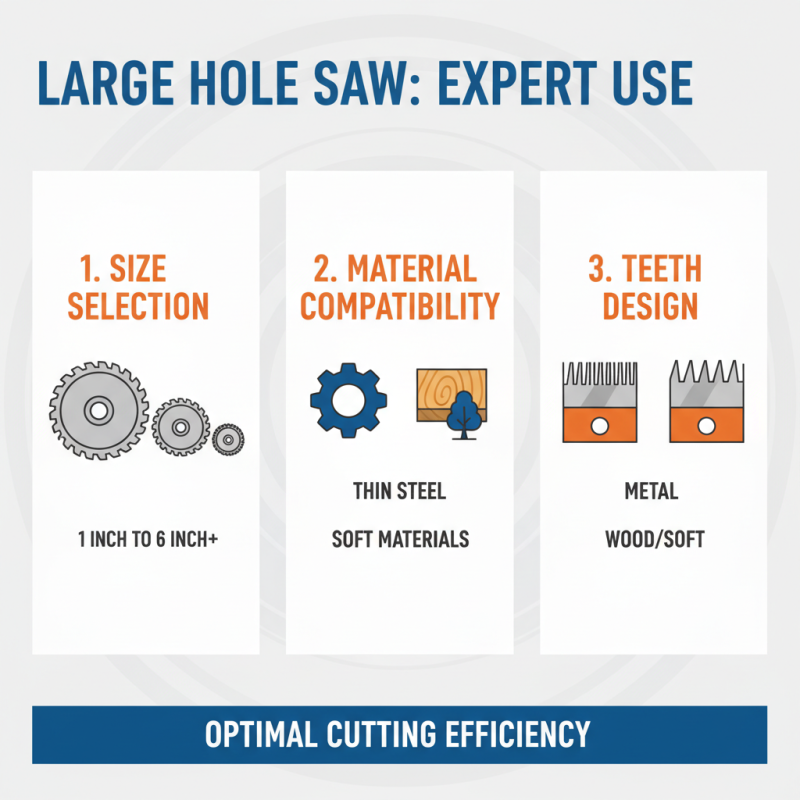
Using a large hole saw can be a straightforward process if approached correctly. First, select the right size hole saw for your project, as the diameter will determine the hole's size. According to industry reports, the most common sizes range from 1 inch to 6 inches, with larger options available for specialized tasks. Be sure to check the material compatibility; for instance, metal hole saws work best on thin steel, while wood saws are designed for softer materials. Additionally, ensure that the hole saw’s teeth design matches your chosen material for optimal cutting efficiency.
When using a large hole saw, proper setup is key to achieving desired results. Begin by securely mounting your workpiece to prevent any movement during the cutting process. It is advisable to use a drill press for stability, especially with larger diameter saws, as hand drills can lead to imprecise cuts. Maintain a steady speed and apply consistent pressure—industry guidelines recommend a speed of around 300-800 RPM for wood and lower speeds for metal. Lastly, use cutting oil when working with metal to extend tool life and enhance the cutting experience, reducing heat build-up and friction. Following these steps will not only improve the quality of your cuts but also enhance safety during the operation.
Maintenance Tips for Ensuring Longevity of Large Hole Saws
Large hole saws are invaluable tools for any tradesperson or DIY enthusiast, allowing for clean, precise cuts in various materials. To ensure that these tools remain effective over time, proper maintenance is crucial. Regularly cleaning the saws after each use helps remove debris and prevents corrosion, which can significantly extend their lifespan. A study by the National Association of Home Builders reported that tool maintenance can increase the lifespan of cutting instruments by up to 30%, emphasizing the need for diligent care.
Moreover, it is essential to inspect the hole saws before and after use. Checking for wear, damage, or dull teeth can prevent costly errors and unsafe situations. If any issues are detected, promptly replacing the saw can maintain high performance levels. Additionally, storing large hole saws in a dry, controlled environment shields them from moisture and rust, conditions that can shorten their effectiveness. According to industry reports, controlled storage can lead to a 20% improvement in tool longevity, underscoring the importance of an appropriate storage solution for those who rely on these essential tools in their projects.