Top Deep Hole Saw Bits for Global Buyers Guide?
Deep Hole Saw Bits are essential tools for many industries, from construction to woodworking. These specialized bits perform tasks that require precision and durability. They cut deep, clean holes in various materials, making them invaluable for professionals. Buyers often face challenges in choosing the best options available in the market.
Understanding the features of Deep Hole Saw Bits is crucial. Users must consider size, material, and usage. Each factor contributes to the bit's performance and longevity. While many products promise efficiency, not all deliver. Hence, buyers should seek reliable brands backed by positive reviews.
Selecting the right Deep Hole Saw Bits can significantly impact project success. It’s not just about price; quality matters immensely. Investing in trusted bits often leads to better results and less frustration. As a buyer, doing thorough research is key, even if the process can be overwhelming at times.
Top Deep Hole Saw Bits: An Overview of Features and Types
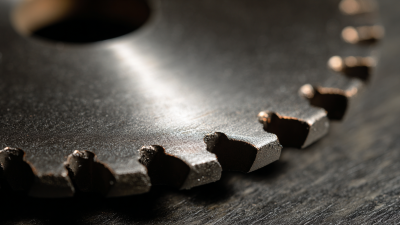
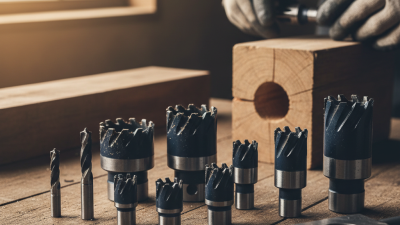
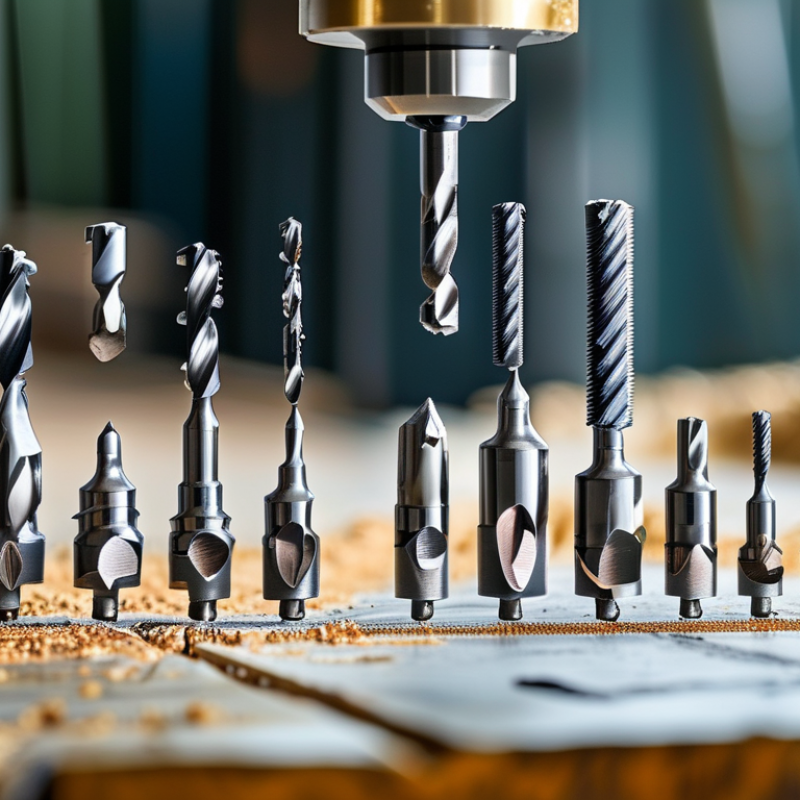
Deep hole saw bits are essential tools for various industries. These bits allow precise and efficient cutting through different materials. They come in various types, each designed for specific applications. A key feature is the design of the teeth. Some bits have a unique tooth geometry, enhancing cutting speed and durability.
Users benefit from knowing the right type to choose. For example, carbide-tipped bits are excellent for hard materials. Meanwhile, bi-metal options offer flexibility and longevity for everyday tasks. The depth of the cut also varies between designs. Some bits can create deeper holes than others, affecting the overall project outcome.
Choosing the wrong type can lead to frustration. It may result in poor performance or damage to materials. Understanding the features of deep hole saw bits is crucial. Knowing when to use each type can save time and increase efficiency. Awareness of specifications empowers buyers. Making an informed choice leads to better results.
Understanding the Materials Used in Deep Hole Saw Bit Construction
Understanding the materials used in deep hole saw bit construction is crucial for effective performance. These bits often utilize high-speed steel or carbide, which provide durability and resistance to wear. High-speed steel is versatile and cost-effective. It's ideal for softer materials like wood and plastics. However, it may not perform well on tougher metals.
Carbide is tougher and holds an edge longer. It excels in cutting harder materials. This durability often makes carbide bits more expensive. However, users benefit from their extended lifespan. When choosing a bit, consider the material you will cut. The right material ensures better results.
Tips: Choose the right saw bit based on your project needs. Testing on scrap material can provide insights into suitability. Also, maintain your bits regularly to ensure long-term performance. A simple cleaning can greatly enhance their lifespan. Choosing quality materials is as important as selecting the right design. Understanding these factors is essential for optimal usage and satisfaction.
Key Factors to Consider When Choosing Deep Hole Saw Bits
When selecting deep hole saw bits, several key factors must be considered to ensure optimal performance. Material type is crucial, as high-speed steel (HSS) offers durability, while carbide tips provide enhanced longevity. According to the latest industry reports, the market for deep hole saws is projected to grow by 5% annually, indicating increasing demand for reliable tools.
Another important factor is the size of the saw bits. Different applications require varying diameters, usually ranging from 14mm to 150mm. Choosing the correct size affects the efficiency and outcome of cutting. Users should also assess the bit's tooth design. In general, aggressive tooth patterns facilitate faster cutting, but can lead to a rough finish on some materials.
Tips: Always check compatibility with your drilling equipment. Not all bits fit every drill type. Additionally, read user reviews for real-world performance insights. They often highlight potential flaws or shortcomings that should be considered. Exploring material specifications can reveal useful insights into durability and performance.
Top Deep Hole Saw Bits for Global Buyers Guide
| Material |
Diameter (inches) |
Cutting Depth (inches) |
Teeth Count |
Application |
| High-Speed Steel |
1 |
2 |
6 |
Wood & Plastics |
| Bi-Metal |
1.5 |
3 |
8 |
Metal |
| Titanium Coated |
2 |
4 |
10 |
Wood & Metal |
| Carbide Tipped |
2.5 |
6 |
12 |
Tough Materials |
| Diamond Coated |
3 |
8 |
15 |
Ceramics & Glass |
Comparison of Popular Brands and Their Best Deep Hole Saw Models
When selecting deep hole saw bits, it's crucial to understand the features of various brands. Different brands offer specific advantages that cater to unique needs. Some designs excel in durability, while others focus on cutting efficiency. An experienced buyer should examine factors like material, tooth design, and coating technology.
Comparative analysis is vital in making an informed choice. Some models are engineered for wood, while others target metals and composites effectively. Buyers should consider user reviews and expert opinions. This information highlights the strengths and weaknesses of each model in practical applications.
Quality control is also a significant factor. Many brands often face challenges in maintaining consistency. A well-informed buyer should take these aspects into consideration. Experience has shown that some models perform well in one condition but falter in another. It’s beneficial to reflect on specific needs before making a purchase.
Maintenance Tips for Prolonging the Life of Deep Hole Saw Bits
Deep hole saw bits are essential for various applications. They make precision cuts in wood, metal, and other materials. To ensure they last longer, proper maintenance is key. Regular cleaning after each use keeps debris from building up. This practice prevents damage and maintains sharpness.
Inspecting the saw bits regularly is crucial. Look for wear and tear, particularly on the teeth. If they appear dull, consider sharpening them. Keeping them stored in a dry place reduces the risk of rust. A simple case can protect them from impact and scratches too.
Using the right speed during operation is also important. Too fast can lead to overheating, while too slow may cause binding. Finding the perfect balance extends the life of the bits. Remember, even with the best care, wear is inevitable. Reflecting on your usage habits helps identify areas for improvement.
Top Deep Hole Saw Bits Usage and Maintenance