Top 10 Diamond Hole Saw Types for Global Buyers Guide?
In the ever-evolving construction and renovation industry, the choice of tools can greatly influence the quality of work. Among these tools, the Diamond Hole Saw stands out. It provides precision and durability for cutting through various materials. As industry expert John Harrison states, "The right Diamond Hole Saw can make all the difference in achieving clean and efficient cuts."
With numerous types available, selecting the ideal Diamond Hole Saw can be overwhelming for global buyers. The range includes options tailored for tasks from tile drilling to metalwork. Each type presents distinct advantages and challenges. Buyers should consider the material they will cut, the size of the hole needed, and the frequency of use. Testing different types often reveals varying performance levels.
Navigating the market requires research and experience. Prospective buyers need reliable information on product specifications. With growing competition, brands strive to stand out with innovative designs. However, not every advertised solution delivers as promised, necessitating caution. Understanding the nuances of each Diamond Hole Saw type is essential for making informed choices.
Understanding Diamond Hole Saws: A Comprehensive Overview
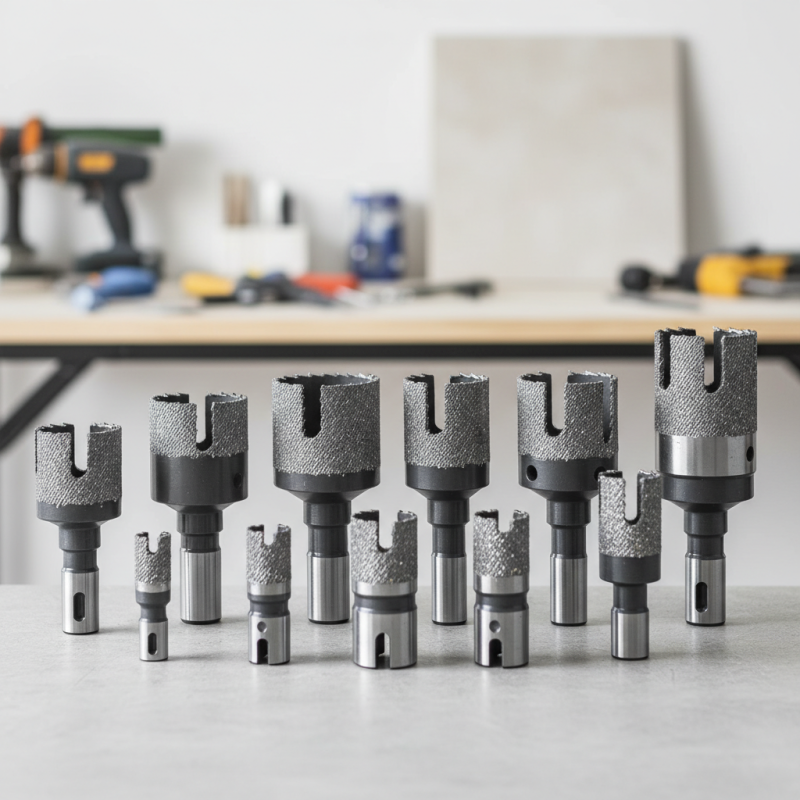
When it comes to diamond hole saws, understanding their types is essential for making informed choices. These specialized tools are designed to cut through hard materials like tile, glass, or stone. The diamond grit embedded in the saw's edge allows it to slice through tough surfaces with precision. Each type has its strengths and weaknesses, making it crucial to select the right one for your project.
Tips: Always assess the material you will be cutting. Different diamond hole saws perform better on specific materials. For example, a segmented diamond hole saw excels on concrete while a continuous rim is perfect for glass.
Consider your project requirements. Are you drilling multiple holes or just a few? Choosing a saw with the right depth and diameter can save time and improve results. Also, remember to use a water cooling method when drilling. This helps reduce heat and prolongs the life of your tool.
A common mistake is ignoring the need for proper safety gear. Dust and shards can be harmful, so always wear goggles and a mask. Be mindful that not all diamond hole saws are created equal. Reviews and experiences can guide you, but nothing beats testing a few options to find what really works for you.
Factors to Consider When Choosing a Diamond Hole Saw
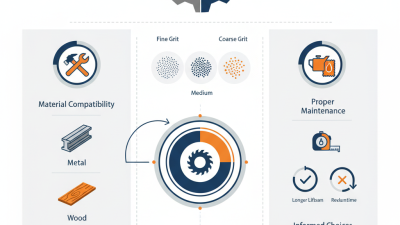
When selecting a diamond hole saw, several factors significantly affect performance. The type of material is crucial. Ceramic, glass, and concrete require different diamond compositions. Knowing the material helps in choosing the right saw. A mismatched saw may cause frustration and damage.
The size of the hole saw also matters. Larger diameters allow for bigger holes but can be more challenging to control. Consider the application when determining size. If precision is critical, a smaller diameter might be a better option. It’s also essential to look at the thickness of the saw. A thicker core can enhance durability, but may limit flexibility.
Another important aspect is the cooling methods. Some diamond hole saws require water to cool during the drilling process. Others work dry but may wear out faster. Understanding your project's requirements is vital. Lack of adequate cooling can lead to overheating and reduced lifespan of the saw. Be aware of these details to avoid unexpected challenges during your projects.
Top 10 Diamond Hole Saw Types - Performance Comparison
Top 10 Types of Diamond Hole Saws and Their Applications
When selecting diamond hole saws, understanding their types and applications is crucial. These tools vary greatly in design and use. Some are perfect for glass, while others excel in masonry. Knowing the differences helps in making informed decisions.
For instance, a bi-metal diamond hole saw can effortlessly cut through thick tiles, leaving clean edges. On the other hand, a coated diamond hole saw is ideal for drilling in harder materials like granite. The right choice depends on the specific project at hand.
However, it's important to reflect on their limitations. Not every diamond hole saw can handle all materials. Some may wear out quickly on tougher surfaces. Users often overlook maintenance, leading to subpar performance. Understanding these factors ensures effective use of diamond hole saws in various applications.
Top 10 Diamond Hole Saw Types for Global Buyers Guide
| Type |
Diameter Range (mm) |
Material |
Application |
Typical Uses |
| Standard Diamond Hole Saw |
10-80 mm |
Diamond-Coated |
Ceramic, Glass |
Tiles, Appliances |
| Wet Diamond Hole Saw |
20-100 mm |
Diamond-Coated |
Concrete, Masonry |
Drilling Holes in Walls |
| Dry Diamond Hole Saw |
25-150 mm |
Diamond-Coated |
Granite, Stone |
Countertops, Pathways |
| Ring Diamond Hole Saw |
10-60 mm |
Diamond-Coated |
Tile, Marble |
Decorative Edges |
| Segmented Diamond Hole Saw |
14-152 mm |
Diamond Segmented |
Concrete, Brick |
Construction Works |
| Glass Diamond Hole Saw |
10-70 mm |
Diamond-Coated |
Glass, Acrylic |
Art Projects, Displays |
| Core Drill Diamond Hole Saw |
32-200 mm |
Diamond-Coated |
Reinforced Concrete |
Foundation Work |
| Multi-Purpose Diamond Hole Saw |
12-100 mm |
Diamond-Coated |
Versatile Applications |
Multiple Materials |
| Precision Diamond Hole Saw |
5-25 mm |
Diamond-Coated |
Fine Materials |
Jewelry Making, Small Projects |
| Long-Lasting Diamond Hole Saw |
20-150 mm |
High-Durability Diamond |
Heavy-Duty Applications |
Long-term Use, Frequent Use |
Comparative Analysis of Diamond Hole Saw Brands
When it comes to diamond hole saws, a comparative analysis of brands can significantly influence purchasing decisions. Each brand offers distinct features tailored to various needs. Some brands focus on durability, while others prioritize cutting precision. Understanding these differences can help users choose the right tool for their specific applications.
Many diamond hole saws vary in their design and purpose. Some are better suited for masonry, while others excel in tile applications. Buyers often struggle with the vast array of options. A user may find a saw that performs well with one material but poorly with another. This inconsistency raises questions about the reliability of each brand. It is crucial for users to research and identify which brand might best meet their demands.
Reflecting on experiences, some users have reported challenges with blade wear and longevity. Many factors contribute to these issues, including material type and operating conditions. It’s essential to consider these variables during the purchasing process. Customers should be proactive in gathering user reviews and conducting thorough research before committing to a brand. An informed choice ultimately leads to better satisfaction and outcomes in projects involving diamond hole saws.
Maintenance Tips for Prolonging the Life of Diamond Hole Saws
Diamond hole saws are essential for various drilling tasks. However, their longevity depends on proper maintenance. Regular care not only extends their lifespan but also ensures optimal performance.
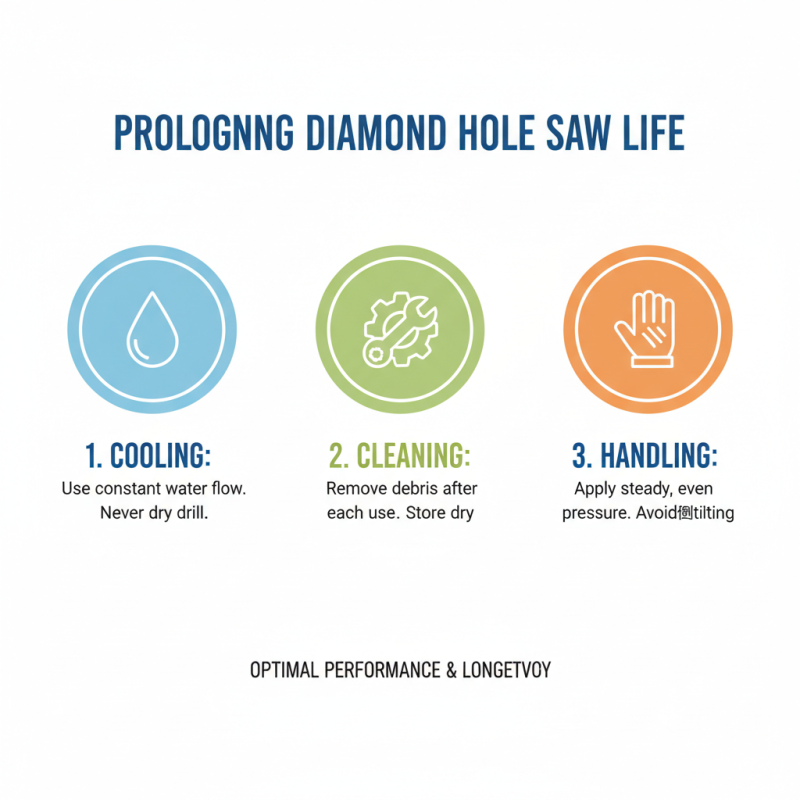
One crucial tip is to use the right speed setting. High-speed drilling can overheat the saws, causing premature wear. Adjust the speed based on the material being drilled. For harder materials, slower speeds yield better results. Remember to keep the saw cool. Use water as a lubricant during use. This prevents overheating and improves cutting efficiency.
Cleaning is equally important. After use, remove any debris from the saw. Residue can dull the diamonds. Inspect for wear and tear regularly. Look for chips or cracks that may affect performance. If you notice significant damage, it may be time to replace the tool. A well-maintained diamond hole saw performs better and saves you money in the long run. Proper care also means recognizing when a saw is nearing the end of its life span. This awareness helps avoid unexpected project delays.