Top Quality Extended Hole Saw Options for Global Buyers?
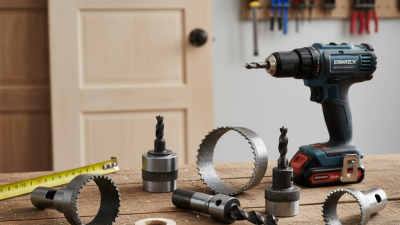
When selecting tools for construction and renovation projects, the quality of the equipment is paramount. The "Extended Hole Saw" has emerged as a popular choice for professionals and DIY enthusiasts alike. Its ability to cut larger and deeper holes makes it indispensable. With this enhanced functionality, buyers worldwide seek reliable options that meet their specific needs.
Different manufacturers offer varying qualities of extended hole saws. It is essential to consider the material, design, and durability of these tools. Some may not live up to expectations, leading to frustration. Reliability is crucial; a subpar saw may slow down progress or, worse, compromise safety.
In exploring top-quality options, international buyers should be aware of diverse brands and their reputation. Reading reviews and seeking expert opinions can help guide decisions. The right choice can enhance productivity and ensure satisfactory results in any project. Yet, discerning the best from the rest remains a challenge. The journey of finding the ideal extended hole saw is one of both opportunity and reflection. Choosing wisely can unlock potential, but it requires careful consideration and understanding of available options.
Understanding Extended Hole Saws: Definition and Uses
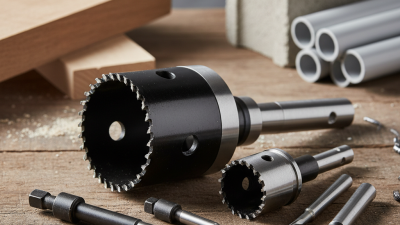
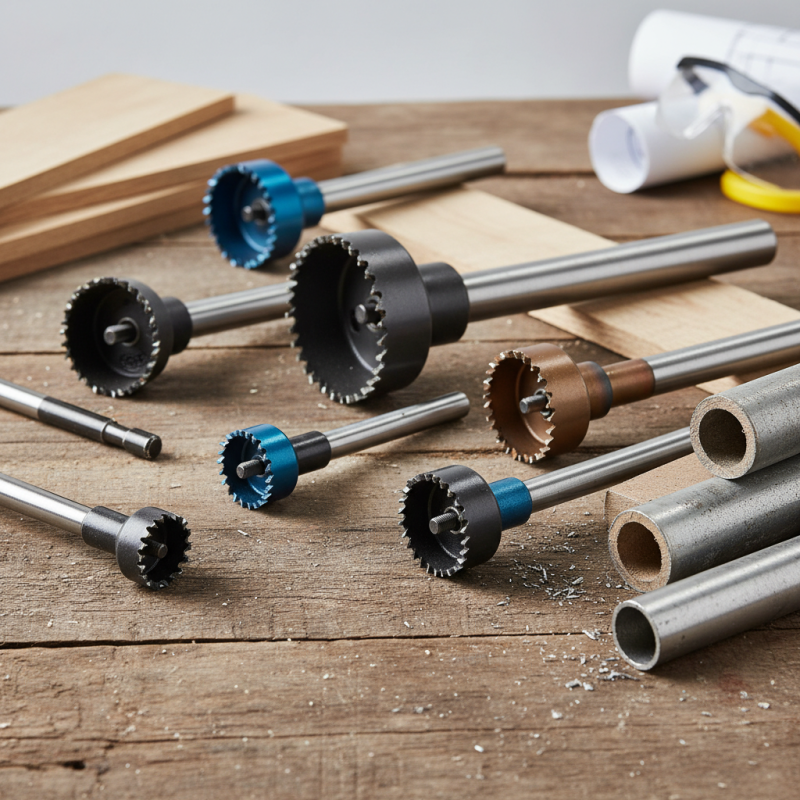
Extended hole saws are specialized tools used for creating large, precise holes in various materials. They are beneficial in construction, plumbing, and electrical work. These saws can cut through wood, metal, and plastic with ease. Users appreciate their ability to create clean holes without excessive damage to surrounding materials. The design usually features a central drill bit surrounded by a circular saw blade. This allows for faster and smoother cutting.
When selecting an extended hole saw, consider the material being cut. Different saws excel with specific materials. For instance, some are tailored for wood, while others work best on metals. It’s crucial to match the saw with the task. The depth of the hole is another essential factor. Extended hole saws come in various lengths to accommodate different depth requirements.
Understanding these tools can sometimes be overwhelming. Users might find themselves choosing a saw that doesn't meet their project needs. Research and hands-on experience are vital. Testing a few options before purchase can lead to better decisions. Always prioritize safety when using these tools. Even experienced users must remain cautious to prevent accidents.
Key Features to Consider When Choosing an Extended Hole Saw
When choosing an extended hole saw, there are several key features to consider. The material of the saw is crucial. High-speed steel and bi-metal options offer durability for tough materials. A saw made from solid carbide may provide superior cutting precision, but it can be more fragile. Understand the trade-offs between longevity and strength when making a decision.
Another important aspect is the size and depth of the hole saw. Extended hole saws should have a cutting depth that matches your project needs. Check the diameter options as larger sizes are ideal for thicker materials. Additionally, a thin kerf design allows for faster cutting and less waste.
Compatibility with drill types is also a concern. Ensure that the chosen hole saw fits your power tools. A well-fitted saw increases safety and efficiency. Be mindful of the teeth configuration as well; variable tooth designs can enhance performance in different substrates. Assessing these features will lead to better choices in extending your hole saw’s capabilities.
Top Quality Extended Hole Saw Options for Global Buyers - Key Features to Consider When Choosing an Extended Hole Saw
| Type of Material |
Diameter Range |
Cutting Depth |
Tooth Design |
Coating |
| Bi-metal |
14mm - 150mm |
Up to 50mm |
Variable Pitch |
Titanium Coated |
| Carbon Steel |
16mm - 130mm |
Up to 38mm |
Straight Teeth |
Black Oxide Coated |
| TCT (Tungsten Carbide Tipped) |
20mm - 200mm |
Up to 80mm |
Aggressive Tooth Configuration |
Cobalt Plated |
| Diamond |
35mm - 120mm |
Up to 35mm |
Continuous Rim |
Diamond Grit |
Top Brands for Extended Hole Saws: A Global Perspective
When exploring the top brands for extended hole saws, one finds a diverse range of manufacturers that cater to various global markets. These brands are recognized for their commitment to quality and performance. Many of them utilize advanced materials to enhance durability and efficiency. For instance, carbide-tipped saws are a popular choice for their ability to cut through tough materials.
The selection process can be daunting. Different buyers have different needs. Some may prioritize speed, while others might focus on precision. These varying demands reflect the complexity of the market. A brand that excels in one region may not necessarily lead in another. This inconsistency can lead to buyer confusion. However, staying informed through professional reviews and user experiences can guide choices effectively.
Investing in an extended hole saw is significant. Not all products live up to their promises. Disappointment often arises from unmet expectations. It's essential for buyers to engage with product specifications and customer feedback. Looking into how long a product lasts and its performance in real-world applications is vital. Doing so helps establish trust in chosen brands.
Comparative Analysis: Performance of Popular Extended Hole Saws
Extended hole saws are essential tools for professional and DIY projects. Their performance can vary significantly across different models. When choosing an extended hole saw, analysis of various factors is crucial. Consider the material you'll be cutting. Metal, wood, and plastic each require specific types of saws. A tool that excels in one material may falter in another.
One important factor is the cutting speed. Some extended hole saws have higher RPM ratings. This usually leads to faster cutting but can increase wear. User feedback often highlights the trade-offs between speed and durability. You may find faster options, but they can wear out quickly. Take into account the thickness of the material, as thicker cuts demand more robust saws.
Tips: Always check user reviews. Insights from actual users can be invaluable. Look for feedback on longevity and efficiency. Evaluate how well a saw handles different materials. A saw that is versatile often proves more reliable for varied tasks. Don't hesitate to compare multiple products before making your decision.
Tips for Maximizing the Life of Your Extended Hole Saw
Extended hole saws are essential tools in many construction projects. To maximize their lifespan, it's crucial to follow best practices. According to a recent industry report, properly maintained hole saws can last up to four times longer than those subjected to misuse. This can translate to significant savings, especially for professional contractors.
One key to extending the life of your hole saw is maintaining cutting speed. Studies indicate that operating at recommended RPM ranges prevents overheating. Overheating causes rapid wear and tear. Additionally, using proper lubrication is vital. Not only does it reduce friction, but it also cools the material. Some users neglect lubrication, leading to premature failures, which could have been easily avoided.
Cleaning the hole saw after each use is another critical practice. Debris buildup can cause rust and decrease efficiency. Interestingly, many users overlook this simple task. Regular inspections can catch defects early, allowing for timely maintenance. Monitoring wear can inform users when to replace blades, thus optimizing performance and safety. Implementing these tips creates a systematic approach to tool longevity, enhancing productivity on the job site.