
Request a Quote
certificate
Leave Your Message

What Is a Steel Chisel and What Is It Used For?

A Steel Chisel is a compact cutting tool that converts hand or hammer force into controlled pressure. Its hardened edge can split, shape, scrape, or remove metal, masonry, wood, and other materials. The design looks simple. The working forces are not.

The World Steel Association reported approximately 1.89 billion tonnes of crude steel production worldwide in 2023. That scale supports continued demand for durable fabrication, maintenance, and construction tools. The U.S. Geological Survey’s Mineral Commodity Summaries also identifies steelmaking materials as essential industrial inputs. These reports do not measure chisel sales directly. They still reveal the broad manufacturing environment behind professional tools. ASTM A681 provides specifications for tool steels, including grades used where hardness and wear resistance matter. However, hardness alone does not guarantee a reliable chisel.

Blacksmith and toolmaking educator Brian Brazeal explains the principle simply: “A chisel should cut, not crush.” The statement captures the balance between edge geometry, heat treatment, and user technique. A cold chisel with a sharp, properly ground edge can bite into a steel plate cleanly. A damaged edge may mushroom, chip, or transfer dangerous fragments. Eye protection is not optional.

Experience complicates the definition. A heavy chisel is not automatically better. Excessive hardness can make an edge brittle, while excessive toughness can reduce cutting performance. Even experienced users sometimes choose the wrong profile for the material. This article examines what a Steel Chisel is, how it works, and where different designs perform best. It also considers common limitations, because practical tool knowledge begins with knowing what might go wrong.
What Is a Steel Chisel and What Is It Used For?

Definition and Basic Structure of a Steel Chisel

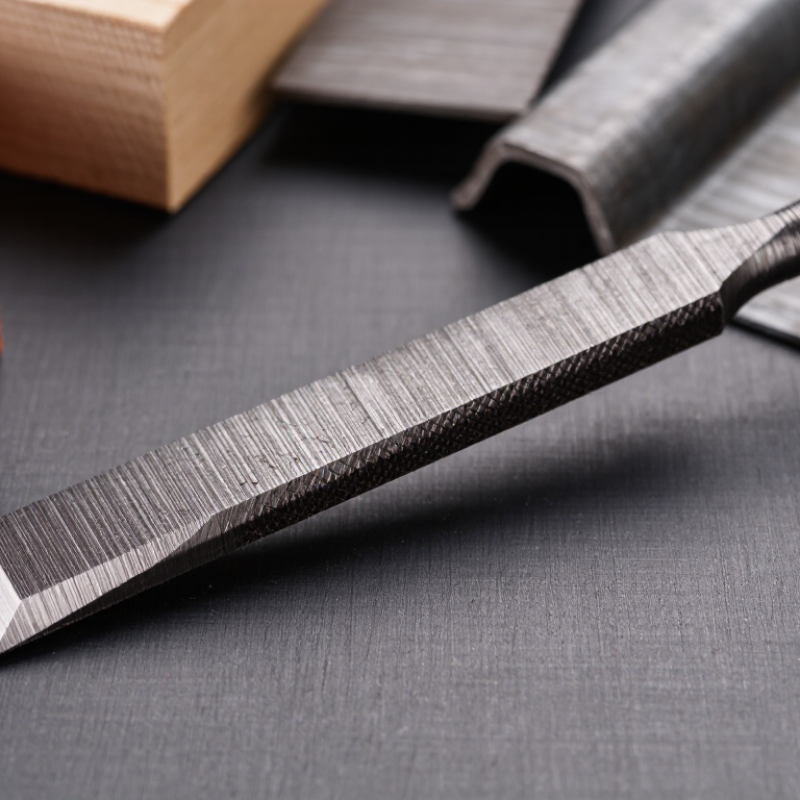
A steel chisel is a hand tool designed to cut, split, shape, or remove material. Its basic structure is simple but carefully engineered. A typical chisel has a steel shaft, a cutting edge, and a striking end. The shaft transfers force from the blow to the work surface. The cutting edge does the actual separation.

The cutting edge is usually formed with a bevel on one or both sides. Its angle depends on the intended task. A sharper bevel can cut soft material cleanly, while a stronger bevel better resists impact. The opposite end, called the striking head, is built to receive controlled hammer blows. Some chisels include a reinforced cap or widened head. These details help reduce deformation during repeated workshop use.

In practical work, I check the edge before using a chisel. It should feel even, without deep chips or a rolled lip. The shaft should remain straight, and the striking end should not show dangerous mushrooming. A damaged edge may glance away from the surface. That can ruin a clean cut. It can also make the tool harder to control. I used to think sharper always meant better, but that is not quite right. A durable edge, suitable steel hardness, and the correct bevel matter just as much. The chisel must match the material and the force applied.

What Is a Steel Chisel and What Is It Used For?

A steel chisel is a hardened tool with a cutting edge used to cut, shape, split, or remove material. The chart shows representative included cutting-edge angles for common steel chisel types. Actual angles may vary according to the tool design and intended material.

A chisel typically consists of a cutting edge, blade or shank, striking head, and sometimes a protective hand guard. Narrower edges provide more concentrated cutting action, while wider and stronger edges are commonly used for masonry and metalwork.

Main Types of Steel Chisels and Their Distinct Features

A steel chisel is a forged cutting tool for splitting, shaping, or removing hard material. Its design changes with the work. According to the 2024 Hand Tools Market report by MarketsandMarkets, global demand is expected to grow from about USD 25 billion in 2023. That growth reflects continued use in construction, maintenance, and metalworking.

Cold chisels have a hardened edge and a broad, tough body. They cut mild steel, bolts, and masonry joints when struck with a hammer. Cape chisels use a narrow, tapered blade. Their grooves suit keyways and narrow channels.

Round-nose chisels create curved grooves, while bolster chisels spread force across brick or concrete. Wood chisels are different. Their thinner bevel supports controlled cuts, but hammering one carelessly can deform its edge.

Choose the tool by material and impact level. Hardness matters, but excessive hardness can make an edge brittle. ISO 6508 explains Rockwell hardness testing, which helps manufacturers verify heat-treated steel. In practice, I check for mushroomed striking heads, chipped edges, and a straight blade before use. Small defects can become flying fragments.

Not every “steel” chisel performs equally. Forging quality, heat treatment, and edge geometry often matter more than appearance. World Steel Association data recorded about 1.89 billion tonnes of crude steel production in 2023, yet volume alone says little about tool reliability. That is the difficult part. A chisel can look solid and still fail under repeated impact.

How a Steel Chisel Works on Different Materials

What Is a Steel Chisel and What Is It Used For?

A steel chisel has a hardened cutting edge and a strong metal body. It removes material through focused impact or controlled hand pressure. When struck with a suitable mallet, force travels through the shaft. The edge then splits, cuts, or chips the surface. In woodworking, a sharp bevel slides into softwood and hardwood with different resistance. Softwood may compress before cutting, while dense hardwood can bruise around the edge. A steady grip and light strikes usually produce cleaner results.

Masonry requires a broader, tougher chisel edge. On brick or concrete, the tool breaks small fragments rather than slicing them. I watch the surface closely because hidden cracks can spread beyond the intended line. For metalwork, a cold chisel creates grooves, separates fasteners, or removes burrs. It works best on softer metals. Hardened steel may damage the edge or cause dangerous fragments to break away. Eye protection is essential.

The edge must match the material. Too sharp for masonry, and it may chip quickly. Too blunt for wood, and it crushes fibers instead of cutting them. I once assumed that harder strikes always improved progress. That assumption was wrong. Excessive force often deforms the edge and reduces control. I inspect the cutting face for mushrooming, cracks, and uneven wear before use. A damaged striking end needs attention, not another heavy blow. The workpiece should remain stable, and the chisel should move away from the hands whenever possible.

Common Uses of Steel Chisels in Construction and Metalwork

What Is a Steel Chisel and What Is It Used For?

Common Uses of Steel Chisels in Construction and Metalwork

A steel chisel is a hand tool with a hardened cutting edge and a strong striking end. In construction, workers use it to split masonry, remove old mortar, and shape bricks or concrete. Its narrow edge can reach joints that larger tools cannot. Masons also use chisels to create channels for pipes, cables, and small fittings. The work is physical. Dust and flying fragments are common.

In metalwork, a cold steel chisel cuts bolts, rivets, sheet metal, and thin rods. It can also remove scale from weld areas or separate seized parts. A flat chisel suits broad cuts, while a narrow chisel reaches tight spaces. The workpiece must be clamped firmly. Eye protection is essential. A loose piece can move suddenly.

Use controlled hammer blows instead of wild force. Check the cutting edge before each job. A chipped edge may slip, while a mushroomed head can shed dangerous fragments. Even experienced workers sometimes strike too hard when progress slows. That habit damages the tool and the material. Heat, angle, and pressure matter. A chisel is simple, but careful technique decides whether it cuts cleanly or leaves a rough, weakened edge.

Safe Handling, Maintenance, and Storage Practices

What Is a Steel Chisel and What Is It Used For?

Safe Handling, Maintenance, and Storage Practices

A steel chisel is a hardened hand tool used to cut, shape, or remove metal, masonry, and wood. Its working edge receives force from a hammer or mallet. Safe control matters because a damaged edge can chip suddenly. The U.S. Occupational Safety and Health Administration requires hand tools to remain in safe condition. That rule includes chisels with mushroomed heads, cracked bodies, or loose grips. Inspect the striking end before every task. Wear safety glasses, durable gloves, and protective footwear. Gloves help, but they do not replace careful technique.

Use a chisel that matches the material and task. Hold it firmly, keep your free hand away from the impact path, and strike with controlled blows. Never use a steel chisel as a screwdriver or pry bar. According to the Health and Safety Executive’s 2023/24 statistics, 604,000 workers in Great Britain reported non-fatal workplace injuries. Small tools are not harmless. A rushed movement can create a serious injury.

Maintenance should include removing burrs and checking the edge for cracks. Do not grind away excessive metal; overheating can weaken the tool. Store chisels in a dry rack, sleeve, or divided toolbox, with sharp edges covered. Keep them away from loose hardware. I sometimes find storage is treated as an afterthought. That is a mistake. A clean, dry storage area protects both the tool and the next person who reaches for it.

What Is a Steel Chisel and What Is It Used For? - Safe Handling, Maintenance, and Storage Practices

Category Data or Specification Practical Guidance
Definition A steel chisel is a hand tool with a hardened cutting edge or point and a handle or striking end. Select the chisel according to the material, work area, and type of cut required.
Common Materials Carbon steel and alloy steel are commonly used because they can provide strength, toughness, and edge durability. Avoid using a chisel whose material or hardness is unsuitable for the intended task.
Cold Chisel Designed for cutting or shaping metals at room temperature; it commonly has a beveled cutting edge. Use with a suitable hammer and eye protection. Do not use it for materials harder than the chisel is designed to cut.
Masonry Chisel Used for cutting, splitting, or removing brick, concrete, mortar, and stone. Wear safety glasses and respiratory protection when dust may be produced. Keep bystanders clear of flying fragments.
Cape Chisel A narrow chisel used for cutting grooves, keyways, channels, and narrow slots in metal. Apply controlled blows and keep the cutting edge aligned with the intended groove.
Round-Nose Chisel Used to form or enlarge rounded grooves and concave channels. Use gradual cuts rather than excessive force to reduce the risk of edge damage.
Primary Uses Cutting, splitting, shaping, removing material, loosening seized parts, and creating grooves. Match the tool profile and cutting edge to the job instead of forcing one chisel to perform every task.
Required Eye Protection Safety glasses with side protection are recommended whenever striking, cutting, or chipping. Use additional face protection when fragments may travel toward the face.
Hand Protection Work gloves can help protect against sharp edges, splinters, and rough surfaces. Keep gloves away from rotating machinery and ensure they do not reduce grip or control.
Safe Striking Strike the chisel with a hammer that is appropriate for its size and application. Use firm, controlled blows. Keep hands behind the striking area and maintain a stable stance.
Striking Head Condition Repeated hammering can produce a mushroomed or flared striking head. Remove the tool from service until the damaged head is properly repaired or the chisel is replaced.
Cutting Edge Condition The edge should be intact, appropriately shaped, and free from cracks, chips, or severe deformation. Stop using the chisel if the edge is cracked or chipped. Regrind only according to safe tool-maintenance practices.
Pre-Use Inspection Check the shaft, cutting edge, striking head, handle, and overall straightness before every use. Do not use a tool with cracks, deep corrosion, loose components, excessive mushrooming, or an unsafe grip.
Cleaning Dirt, metal particles, mortar, and moisture can accelerate wear and corrosion. Wipe the chisel clean after use and remove debris from the cutting and striking surfaces.
Rust Prevention Unprotected steel can corrode when exposed to water, humidity, salts, or chemicals. Dry the tool completely and apply a light protective oil film when suitable for the working environment.
Sharpening and Regrinding A damaged or blunt edge may require controlled grinding or professional reconditioning. Avoid overheating the edge during grinding because excessive heat can affect the steel's hardness.
Storage Environment A clean, dry, and well-ventilated location helps limit corrosion and accidental contact. Store chisels in a rack, tool cabinet, or protective holder with cutting edges covered where appropriate.
Handling During Transport Uncovered cutting edges can cause puncture or laceration injuries. Use a sheath, edge guard, or secure tool box and never carry a chisel loosely in a pocket.
Prohibited Practices Using a chisel as a screwdriver, pry bar, punch, or wedge can cause tool failure and injury. Use each chisel only for its intended application and replace it when damage compromises safety.