Why Choose a Marble Quick Hole Opener for Your Business?
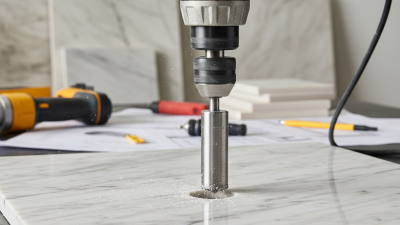
A Marble Quick Hole Opener can help a stone business make clean, repeatable holes without slowing every job. The right tool supports accurate work on marble countertops, vanity panels, and other stone pieces. Picture a fabricator guiding a bit across a marked surface while water cools the cutting area and carries away fine slurry. The result depends on more than the tool alone. Setup, compatible bits, steady handling, and operator experience all matter.
For a practical viewpoint, consider this illustrative comment from fictional stone-fabrication adviser Daniel Moretti: “A quick hole opener earns its place when it saves time without asking the operator to compromise control.” This is a sample quotation, not a verified statement from a real industry expert. It reflects a useful buying principle: compare cutting consistency, ease of alignment, maintenance needs, and suitability for your materials before choosing equipment. Small differences matter.
A faster tool is not automatically the better investment. If it produces chipped edges or needs frequent adjustment, the savings may disappear. Businesses should also review their typical hole sizes, daily workload, cooling requirements, and staff training. A Marble Quick Hole Opener may suit shops that value repeatability and efficient workflows, but no single model fits every operation. The sections ahead will explore performance, material compatibility, operating considerations, and long-term value, helping buyers weigh real shop needs against product claims. Some details can be overlooked. Test on scrap first. That simple step can reveal whether the tool feels controlled, leaves a clean edge, and fits the pace of your work.
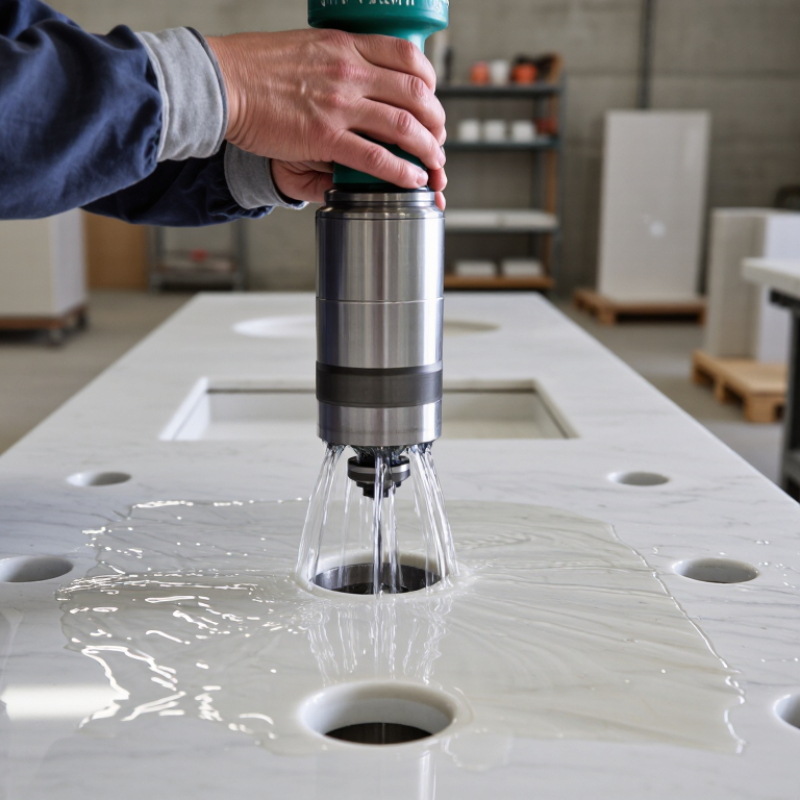
What a Marble Quick Hole Opener Is and How It Works
Why Choose a Marble Quick Hole Opener for Your Business?
What a Marble Quick Hole Opener Is and How It Works
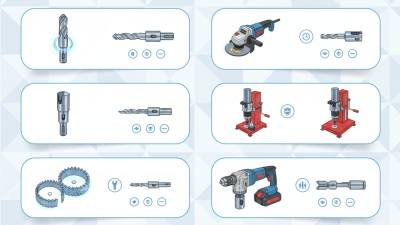
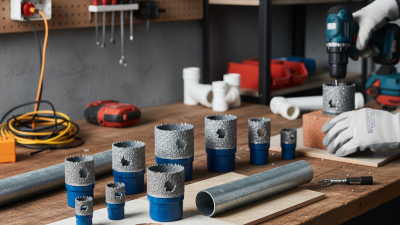
A marble quick hole opener is a drilling setup designed to make round openings in stone. It typically combines a diamond-coated core bit, a centering guide, and a compatible drill or machine. The bit cuts around the hole’s edge, leaving a solid core that can be removed. Some setups allow faster bit changes, but the mechanism varies. Fit varies. Check the tool specifications before pairing it with your machine.
During operation, the slab is secured on a stable surface and the bit is aligned with the marked center. Water is often used to cool the cutting area and help carry away abrasive dust. The operator advances the bit steadily, without forcing it. Excess pressure can chip marble or overheat the bit. Marble varies in hardness and veining, so cutting results can differ between slabs. It is useful, but not foolproof. Follow the tool maker’s operating guidance, and inspect the stone for cracks before drilling.
Tips: Test the setup on an offcut first. Keep the slab supported, use the recommended water flow, and stop if the bit begins to wander.
Key Features That Support Fast, Precise Drilling
A marble quick hole opener can save time when a job needs repeated, clean openings for taps, drains, or fittings. Look for a rigid body and a cutting edge suited to stone, commonly with diamond abrasive. A stable guide helps keep the tool centered on a marked point, reducing wandering across the polished surface. That matters.
Match the cutter diameter to the fitting, and check that the opener suits your drill and marble thickness. Keep the cut cool with a steady water supply where the tool design permits it. Start gently, hold the drill square, and let the abrasive do the work; heavy pressure can cause chipping or uneven edges. Quick does not mean careless. I would not expect any cutter to prevent every chip, especially near an edge or in brittle stone. A test hole in a scrap piece can reveal how the tool behaves before the finished slab is at risk. Short, controlled passes often give better results than forcing a fast cut.
Business Benefits for Marble Fabrication and Installation
A quick hole opener can help marble crews cut openings for taps, soap dispensers, and mounting hardware. In busy shops, repeatable sizing matters. An accurately placed hole reduces hand-finishing and helps installers align fixtures on site. That saves time. When several countertops share one layout, a consistent process also limits measurement drift between pieces. Less rework. This is especially useful near a polished edge or narrow backsplash, where corrections can be difficult.
Speed alone is not enough. Marble can chip if the slab is poorly supported or the tool is pushed too hard. Secure the stone, mark the center clearly, and use an opener suited to the required diameter. Follow its operating instructions, including any guidance on water cooling. Check each opening for chips before moving the slab, since small flaws may become visible after installation. A test cut on an offcut can reveal problems early. It takes extra time, admittedly, but rushing this check can cost more later. Some stone patterns or tight layouts still call for slower, more careful finishing. A quick tool helps the workflow; it does not replace a skilled operator’s judgment.
Why Choose a Marble Quick Hole Opener for Your Business?
Illustrative workflow-time comparison for a single hole in marble (minutes)
In this example planning scenario, a quick hole opener takes less time across setup, drilling, and finishing steps. Actual results vary with marble type, hole size, equipment, and operator skill; use your own shop measurements to estimate business savings.
Common Applications Across Marble Worksites
On marble worksites, a quick hole opener is useful wherever a clean, circular opening is needed. Common jobs include drilling faucet holes in vanity tops, making access points for plumbing, and creating pass-throughs for cables or small pipes. In a kitchen workshop, a fabricator may mark a tap position on a slab, secure the piece, then open the hole before fitting the sink. Small details matter: a few millimeters of misplaced drilling can affect the final installation.
The tool can also help with repeat work on countertop panels and custom furniture. Consistent openings make fitting hardware easier and reduce hand-finishing time. Still, marble varies in thickness and condition. Veins, existing cracks, or unsupported edges can increase the chance of chipping, so inspect the stone and support it evenly before cutting. A quick opener is not a substitute for careful layout.
Tips: Confirm the opener’s size and compatibility with the drill before starting. Use water when the tool and work method call for it, and keep the cutting area stable. Begin slowly, especially on polished surfaces. Stop if the stone shifts or develops a crack. It is tempting to rush a repeated job, but checking each mark can prevent an expensive mistake.
Factors to Consider When Choosing a Model
When choosing a marble quick hole opener, start with the holes your shop actually makes.
Check the diameter range, slab thickness, and drilling depth against recent job records. A machine suited to small faucet holes may struggle with larger openings. That mismatch costs time.
Inspect the spindle’s speed and power, then ask how they perform on dense marble. Stone hardness and veining vary, so published figures alone may not tell the whole story.
Cooling and setup matter just as much. A reliable water-feed system helps control heat and carries away stone slurry; look for easy-to-clean channels and accessible fittings. Check the worktable size, clamping method, and adjustment range using a slab similar to yours. Loose support can lead to chipped edges or misplaced holes.
Tool compatibility deserves attention, too: confirm which core bits fit and how readily replacements can be sourced. Ask about routine maintenance and available technical support. A compact model may save floor space, but awkward loading can slow a busy team.
I would test a sample cut before committing; even careful comparisons can miss a small issue on the shop floor.