
Request a Quote
certificate
Leave Your Message

7 Tips for Choosing Deep Hole Saw Bits

Choosing the right Deep Hole Saw Bits can determine whether a clean opening takes seconds or becomes a costly struggle. Material, wall thickness, cutting depth, and machine power all influence the result. A bit that performs well in mild steel may overheat quickly in stainless steel or hardwood. Small details matter.

Industry guidance supports this careful approach. Starrett’s hole saw recommendations stress matching tooth geometry and material to the workpiece. Bosch and Milwaukee technical data also distinguish between bi-metal, carbide-tipped, and specialty designs. These differences affect cutting speed, heat control, durability, and edge quality. The U.S. Occupational Safety and Health Administration highlights secure workholding, eye protection, and controlled tool operation as essential safeguards. Those principles apply directly when long cutters create higher torque and chip buildup.

The seven tips in this guide focus on practical decisions. They cover tooth material, arbor compatibility, cutting depth, pilot-drill selection, speed, lubrication, and safe handling. A useful choice begins with the job, not the product label. Measure the material first. Check the drill’s rated capacity. Remove chips before they pack inside the cut. Simple habits help.

No formula is perfect. Real workshops contain worn drills, uneven surfaces, and rushed operators. That is why reliable selection requires both manufacturer data and hands-on judgment. The best Deep Hole Saw Bits should cut steadily, clear debris efficiently, and leave a usable opening without excessive vibration. Performance should be measured, not assumed.
7 Tips for Choosing Deep Hole Saw Bits

Define Hole Size and Depth: Standard Saws Commonly Cut 38 mm Deep

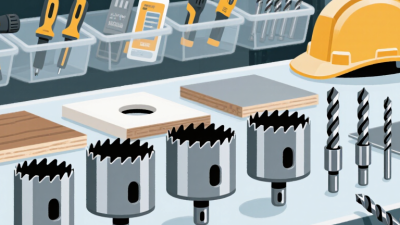
Choosing deep hole saw bits starts with accurate measurements. Define the hole diameter before selecting the cutter. Then measure the required cutting depth from the surface to the farthest point. Standard hole saws commonly cut about 38 mm deep, but this varies by design. Do not assume a longer bit always cuts better. Check the cutting depth, arbor length, and available clearance together.

Tip 1: Mark the depth on the bit with removable tape. Stop when the mark reaches the material surface. This simple method helps prevent overcutting and protects hidden components. For holes deeper than 38 mm, choose a purpose-built deep hole saw or plan staged cutting. Remove chips regularly. Packed debris creates friction, heat, and uneven edges.

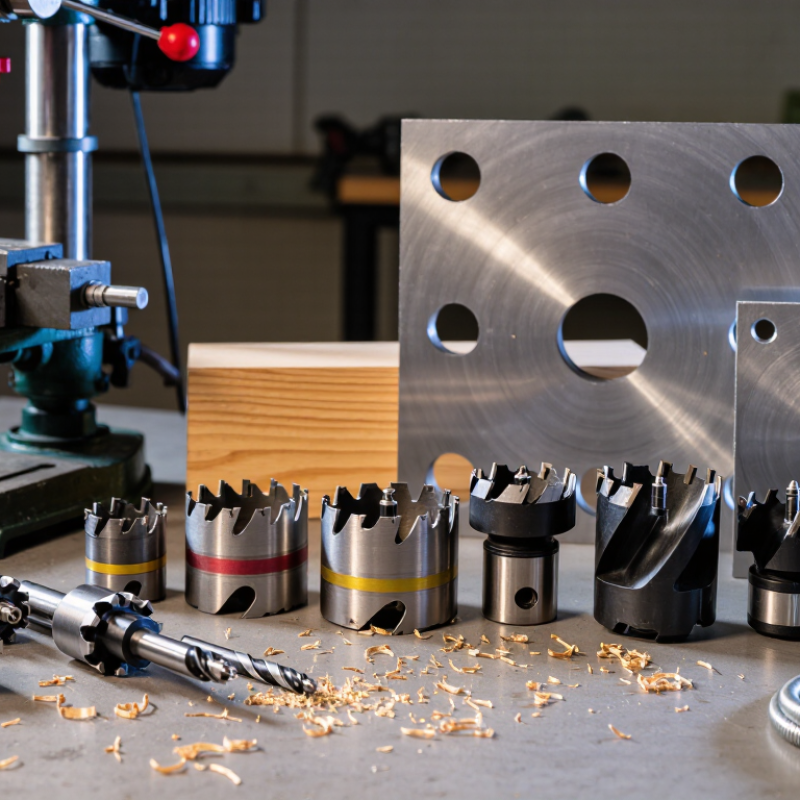
Tip 2: Match the saw to the material. Bi-metal teeth suit many wood and metal applications, while carbide-tipped teeth can handle harder materials. Use a stable drill with suitable speed control. Keep the tool aligned, especially when cutting through thick timber or layered panels. I have found that rushing the first few millimeters causes more trouble than slow cutting. The edge may wander. Recheck your measurements before drilling, because a perfect diameter is useless at the wrong depth.
7 Tips for Choosing Deep Hole Saw Bits

Define Hole Size and Depth: Standard Saws Commonly Cut 38 mm Deep

Cutting depth depends on the hole saw design. Standard bi-metal and carbide-grit hole saws commonly cut about 38 mm deep, while deep-cut designs may reach approximately 51 mm. Always compare the required hole depth with the tool specification before cutting.

Choose Bi-Metal Teeth: M42 HSS Often Contains 8% Cobalt

Choosing a deep hole saw begins with the tooth material, not the package label. For repeated cuts in stainless steel or thick mild steel, I usually look for bi-metal teeth made from M42 HSS. M42 commonly contains about 8% cobalt. That matters. Cobalt helps the teeth retain hardness when friction raises the cutting edge temperature. The flexible alloy backing absorbs vibration, while the harder teeth handle the cutting load. In practical work, this combination lasts longer than ordinary carbon steel teeth, especially when heat is controlled.

Do not treat the cobalt percentage as a guarantee. Tooth geometry, weld quality, pitch, and operating speed also decide performance. A coarse pitch can clear chips from deep material, but thin sheet may need finer teeth to reduce grabbing.

I blamed a worn saw on poor steel; excessive pressure and almost no cutting fluid caused it. That mistake was expensive. For deep holes, withdraw the saw periodically to clear chips, then resume with steady feed. Use a pilot drill suited to the material, and keep the drill square.

Check the arbor size and cutting depth before buying. A long saw that fits the chuck may still lack enough side clearance. Run M42 bi-metal teeth at a controlled speed, guided by the material and diameter. If smoke appears, stop and reassess; smoke is not proof of faster cutting. Hard stainless steel may need slower speed, firm pressure, and suitable fluid. Do not force a dull tool. A fresh tooth edge often reveals that the earlier setup was the real weakness.

Select Carbide Teeth for Stainless Steel and Abrasive Materials

7 Tips for Choosing Deep Hole Saw Bits

Select Carbide Teeth for Stainless Steel and Abrasive Materials

When cutting stainless steel, choose a deep hole saw with carbide teeth. Carbide stays harder under heat than ordinary high-speed steel. Tip 1: Check the tooth brazing carefully. Loose teeth can damage the workpiece and create vibration. Tip 2: Select a variable tooth pitch for smoother engagement. It helps reduce chatter in thick stainless sections. Tip 3: Match the saw diameter with the required hole depth. A shallow body may bind before reaching the target.

A practical trial matters. Clamp a stainless plate firmly, apply steady feed pressure, and use suitable cutting fluid. Tip 4: Keep the speed moderate, especially during entry. Excessive speed quickly creates blue heat marks. Tip 5: Choose generous gullets for chip removal. Packed chips can scratch the hole wall and overload the teeth. For abrasive materials, carbide usually lasts longer, but it is not unbreakable. Hard inclusions may chip the cutting edges. That surprised me once.

Tip 6: Inspect the arbor, pilot drill, and saw body together. Poor alignment can ruin a good carbide set. Tip 7: Replace a worn pilot drill early. A drifting pilot forces the outer teeth to cut unevenly. Clear chips during deep cuts, rather than forcing continuous pressure. I sometimes prefer short pauses. They feel slower, but the cut often stays cleaner. Check the manufacturer’s rated material range and operating limits before use.

7 Tips for Choosing Deep Hole Saw Bits - Select Carbide Teeth for Stainless Steel and Abrasive Materials

Tip Selection Focus Recommended Tooth Material Typical Tooth Pitch Suitable Materials Practical Guidance
1 Match the bit to the workpiece hardness Carbide-tipped teeth for hard or abrasive stock Variable pitch, commonly 4/6 or 6/10 TPI Stainless steel, hardened steel, cast iron, cement board Carbide generally holds an edge longer than standard high-speed steel when cutting abrasive or work-hardening materials.
2 Confirm the required cutting depth Deep-body or extended-length hole saw construction Use the pitch specified for the material and diameter Thick sheet, tubing, pipe walls, laminated panels Choose a cutting depth greater than the wall thickness, while allowing space for chip evacuation and slug removal.
3 Select the correct diameter Precision-ground carbide or bi-metal construction Fine pitch for thin metal; coarser or variable pitch for thick stock Metal, wood, plastic, composites Measure the required opening rather than relying on the nominal pipe or fitting size; actual dimensions vary by application.
4 Use a pitch suited to material thickness Variable-pitch carbide teeth Approximately 4–6 TPI for thicker sections; 8–12 TPI for thinner metal Stainless steel, mild steel, aluminum, non-ferrous sheet Variable pitch helps reduce harmonic vibration and can produce a smoother cut than a uniform tooth pattern.
5 Prioritize chip evacuation Carbide teeth with generous gullets and open slots Medium or variable pitch Deep cuts in steel, stainless steel, wood, and composites Larger gullets help carry chips out of deep kerfs and reduce heat buildup, especially when cutting thicker material.
6 Check shank and arbor compatibility Rigid carbide-tooth body with a suitable pilot drill Follow the hole saw manufacturer’s pitch specification Hand drills, drill presses, and magnetic drilling systems where approved Verify arbor thread, pilot diameter, machine chuck capacity, and maximum rated speed before use.
7 Control heat, speed, and cutting pressure Carbide teeth used with suitable cutting fluid when permitted Use the speed recommended for the bit diameter and workpiece Stainless steel and other heat-sensitive or work-hardening materials Use steady pressure, avoid dwelling in the cut, and apply compatible coolant or cutting oil to limit heat and premature tooth wear.
Safety note: Use eye protection, secure the workpiece, remove the drill from power before changing the bit, and follow the specific speed, feed, and lubrication limits supplied for the selected hole saw.

Match Tooth Pitch and RPM with Manufacturer Cutting Charts

Choosing a deep hole saw bit starts with the material, wall thickness, and hole diameter. Steel, stainless steel, aluminum, and wood need different tooth patterns. Check the manufacturer’s cutting chart before setting up the tool. It gives a safer starting point than guesswork. Measure the workpiece carefully. A deeper cut may require a longer bit or chip-clearance channel.

Match tooth pitch to material thickness. Thick steel usually needs fewer teeth per inch, allowing chips to escape. Thin sheet material often benefits from a finer pitch, which reduces tooth grabbing. Too many teeth can clog the gullets. Too few teeth can create vibration and rough edges. I have seen operators blame the bit when the real problem was an unsuitable pitch.

Set RPM from the chart, then adjust cautiously for actual conditions. Larger diameters generally require lower RPM. Stainless steel may need slower cutting and steady coolant to prevent heat buildup. Keep the drill aligned with the surface. Apply firm, even pressure, but do not force the cut. Watch the chips. Blue chips, squealing, or smoke suggest excessive speed or pressure. Stop and reassess.

Clear chips often during deep cuts. Packed chips increase friction and can damage the cutting edge. Use the recommended pilot method and confirm the arbor is secure. Record the material, pitch, RPM, and cutting time after each job. This information improves future choices. Charts are reliable, but real workshops are imperfect. Surface coatings, worn machines, and operator technique can change the result.

Verify Arbor Fit, Pilot Drill, Lubrication, and Safety Requirements

Choosing deep hole saw bits starts with the arbor, not the cutting diameter. Match the arbor shank, thread, and maximum capacity to the hole saw. A loose fit creates wobble, heat, and uneven teeth wear. Check the pilot drill too. Its diameter should support stable entry without stealing cutting power. Replace a dull pilot drill early. Small errors become obvious in thick steel.

Lubrication is not optional in deep cuts. Apply suitable cutting fluid before contact, then reapply when the kerf becomes dry or discolored. Reduce pressure when chips stop flowing. Forcing the bit can glaze the teeth and overload the arbor. In practice, operators often blame the hole saw first. The setup may be the real problem. This is worth checking twice.

Safety requirements deserve equal attention. Secure the workpiece, use eye and hearing protection, and keep hands away from the rotating path. Stop the machine before clearing chips. The U.S. Bureau of Labor Statistics reported 2.6 million nonfatal workplace injuries in private industry during 2022, showing why routine controls still matter (BLS, Incidence Rates of Nonfatal Occupational Injuries and Illnesses, 2022). OSHA also requires machine guarding where rotating parts can expose workers to injury. Deep cutting creates long chips. They can grab unexpectedly. I would not rely on experience alone; inspect the arbor, pilot, lubrication, and guard before every demanding cut.