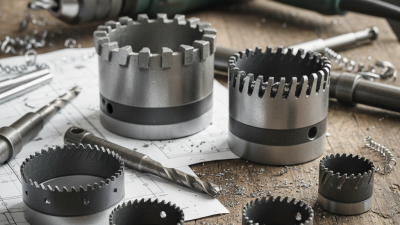
Best Hole Saw For Metal Cutting What to Consider?
In the world of metalworking, choosing the best hole saw for metal is crucial. Industry expert John Miller emphasizes, “A reliable hole saw is key for precision and efficiency.” The right tool can significantly enhance your cutting experience, while the wrong choice can lead to frustration and wasted materials.
When selecting a hole saw for metal, several factors come into play. Material type, thickness, and application must all be considered. For instance, bi-metal hole saws are popular for their durability and versatility. However, novice users often overlook the importance of proper speed and technique, which can lead to poor results. It's essential to take time to understand the specifications of your chosen hole saw for metal.
Moreover, not all hole saws perform equally across different types of metal. A common mistake is using one saw for all tasks. Choosing the right saw for each job can prevent damage to both the tool and the workpiece. This consideration reflects the need for ongoing learning and adaptation in metal cutting practices.
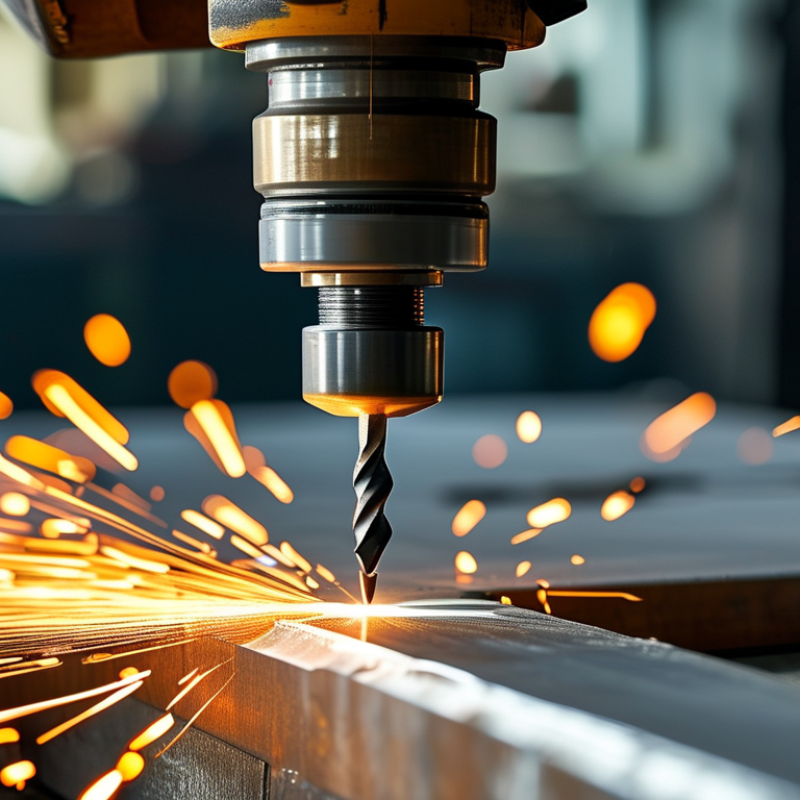
Factors to Consider When Choosing a Hole Saw for Metal Cutting
When selecting a hole saw for metal cutting, several crucial factors come into play. Consider the material you will be working with. Different metals, such as aluminum, steel, and stainless steel, require specific hole saw designs. The thickness of the metal also affects the saw’s performance. Thicker materials may necessitate stronger, more durable teeth.
The tooth design is also vital. Bi-metal hole saws offer versatility and durability. They can cut through tougher materials. Look for teeth that are well-spaced to allow for efficient chip removal. This reduces the chances of overheating and improves the life of the hole saw.
Additionally, having the right size is essential for precision. A hole saw that fits poorly can lead to inaccuracies. Ensure the pilot bit is appropriate for the size of the hole you need. It’s worth reflecting on your typical projects. Are there scenarios where your hole saw underperformed? This insight can guide future purchases. Quality matters, but understanding the characteristics of different hole saws enhances your ability to choose wisely.
Types of Hole Saws Suitable for Different Metal Materials
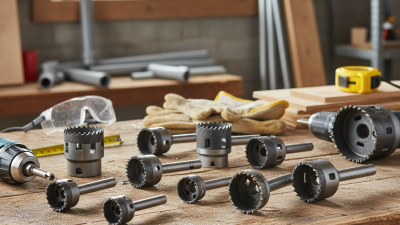
When choosing a hole saw for metal cutting, understanding the types available is essential. Not all hole saws work equally well on every metal material. Generally, there are bi-metal and carbide-tipped hole saws suited for tougher tasks. Bi-metal hole saws are flexible and durable, making them ideal for softer metals like aluminum or copper. Carbide-tipped options excel in cutting through harder materials like stainless steel.
It’s crucial to consider the metal's thickness and composition. Thicker metals require more robust saws. For thin sheet metals, a lighter-cutting hole saw might suffice. Pay attention to teeth design. Larger teeth are effective for faster cutting, while smaller teeth provide smoother finishes. Evaluating your specific needs will enhance your results.
A key aspect is to match the saw diameter to your project. Too small of a saw can lead to excessive force and wear. On the other hand, using an overly large hole saw can increase material waste. Investing time in research is vital. This knowledge will save both time and resources in the long run.
Important Features of a Quality Hole Saw for Metal Work
When selecting a hole saw for metalwork, several features stand out. The material of the hole saw is crucial. High-speed steel (HSS) or carbide-tipped options are recommended. These materials offer durability and maintain sharpness longer than lower-quality alternatives. A solid design will enhance cutting efficiency and reduce the risk of damage during use.
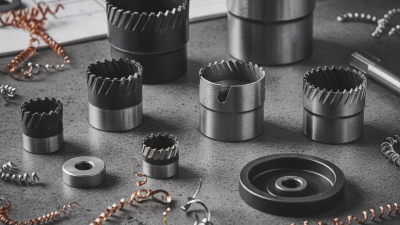
Consider the tooth design as well. A variable tooth pitch allows for smoother cuts, reducing the chances of jagged edges. Additionally, look for a hole saw with a bi-metal construction. This combines flexibility and strength, allowing the saw to withstand higher stress levels and providing better performance on tougher metals.
Lastly, size matters. Make sure the hole saw is appropriate for your project’s needs. Common sizes work for most applications, but specific tasks might require unique dimensions. A deeper hole saw can facilitate cleaner cuts in thicker materials. Remember, a well-chosen hole saw can significantly impact the quality of your work. Reflect on your past projects and consider what features you found lacking. This will guide your choice and improve your subsequent projects.
Best Hole Saw For Metal Cutting - Important Features of a Quality Hole Saw for Metal Work
| Feature |
Description |
Importance |
| Material |
High-speed steel or bi-metal construction for increased durability |
Ensures longevity and effectiveness in cutting |
| Teeth Design |
Sharp, aggressive teeth for faster cutting |
Reduces cutting time and improves precision |
| Sizing |
Available in various diameters to meet different needs |
Flexibility for a range of projects |
| Arbor Type |
Compatible with standard drill chucks |
Ease of use and versatility across tools |
| Cooling Feature |
Built-in cooling channels or ability to add lubricant |
Prevents overheating and extends tool life |
| Cost |
Price range varies based on quality and features |
Essential for budget planning while ensuring quality |
Tips for Safe and Effective Use of Hole Saws on Metal
When using hole saws on metal, safety should always be your top priority. Start by wearing appropriate personal protective equipment, such as goggles and gloves. This reduces the risk of injury from sharp metal shards and debris. Secure the metal piece firmly to prevent movement while cutting. A stable work surface is crucial. Additionally, using a clamp can help keep the workpiece steady.
Proper drilling technique also matters. Use a low speed setting on your drill to avoid overheating the hole saw. Too much heat can damage the tool and the material being cut. Lubrication is important as well; applying cutting oil can extend the life of the saw and improve cutting efficiency. Be aware of your surroundings; ensure no one is in the vicinity during the operation.
Always check the hole saw before use. Inspect for any wear or damage that could compromise safety. If you notice any issues, replace the saw before proceeding. It's easy to overlook this step, but it can prevent accidents. After cutting, handle the metal pieces carefully. They can have sharp edges. Storing hole saws in a dry place will also keep them in good condition. Regular maintenance of your tools is vital for long-term performance.
Maintenance Practices for Longevity of Metal Cutting Hole Saws
Maintenance practices are crucial for extending the life of metal cutting hole saws. Regular cleaning is essential. Debris can accumulate, impacting performance. Use a wire brush to clean teeth after each use. This simple step can drastically improve cutting efficiency.
Proper storage also plays a significant role. Metal cutting tools should be stored in a dry, secure environment. Humidity can lead to rust, diminishing their effectiveness. According to industry data, tools that are stored properly last up to 25% longer than those that are not.
Another aspect to consider is the use of cutting fluid. Applying lubricant during cuts reduces friction and heat. This practice can decrease wear on the saw and improve cutting speed. Reports indicate that using cutting fluid can increase the life of a saw by an average of 15%. With these practices in mind, users can ensure their metal cutting hole saws remain effective and reliable over time.