Request a Quote

Leave Your Message
Choosing the right Diamond Hole Saw can determine whether a drilling project ends cleanly or ends with chipped edges, overheating, and wasted material. The best option depends on more than diameter. Tile hardness, glass thickness, concrete density, drilling speed, and water control all affect performance. A saw that works smoothly on porcelain may struggle against reinforced concrete.
This guide explains the practical factors professionals check before buying. Experienced installers usually compare diamond quality, segment design, cutting depth, shank compatibility, and cooling requirements. They also review the manufacturer’s recommended materials and operating speed. Small details matter. A 35 mm hole saw may fit the fixture, but its arbor might not match your drill. Measure twice.
Reliable selection requires realistic expectations. Dry-cut models can save time on some masonry jobs, while wet-cut models often reduce dust and protect the cutting edge. Neither choice is universally better. Even a premium Diamond Hole Saw can fail when excessive pressure, poor alignment, or insufficient cooling is used. That part is easy to overlook.
The recommendations here combine workshop experience with product specifications and common installation practices. They are not a substitute for checking the material manufacturer’s instructions. Material behavior can vary between batches, and tool performance may change with operator technique. I have found that speed ratings are useful, but they do not tell the whole story. Actual results depend on patience, stability, and preparation. This guide will help you compare options carefully and choose a Diamond Hole Saw that matches the job, the equipment, and the finish you expect.
How to Choose the Best Diamond Hole Saw?
Understanding Diamond Hole Saw Types and Cutting Applications
Start with the substrate. It matters.
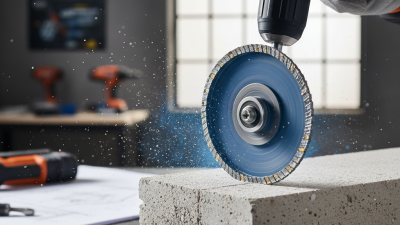
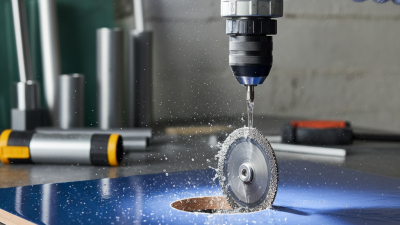
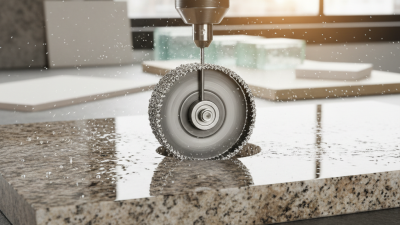
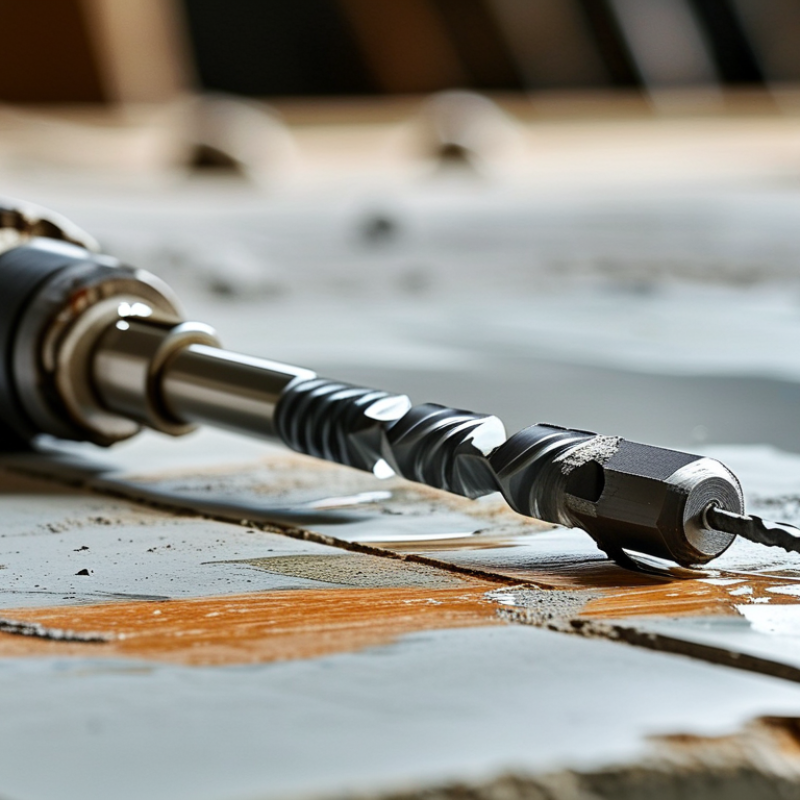
Electroplated diamond hole saws expose a single diamond layer on the rim. They cut ceramic tile, glass, and soft stone cleanly. Their initial price is often lower, but the cutting layer wears faster. Vacuum-brazed saws hold diamonds more firmly. They suit porcelain, granite, and occasional reinforced concrete. Sintered segments embed diamond throughout the bond. They usually provide longer life for masonry, concrete, and demanding production work.
The U.S. Geological Survey’s 2025 Mineral Commodity Summaries identifies synthetic diamond as the main industrial form. Its consistent grit supports predictable cutting performance. In field work, I match grit size to the material, not only the saw diameter. Fine grit helps reduce chipping on glazed tile. Coarser grit removes concrete faster, though it can leave a rougher edge. That trade-off is easy to overlook.
Use water when the material and equipment allow it. A slow, steady feed keeps the rim cooler and prevents glazing. For dry concrete drilling, dust control becomes critical. OSHA’s respirable crystalline silica standard sets an 8-hour exposure limit of 50 micrograms per cubic meter, with an action level of 25 micrograms. Wet cutting, local exhaust, or a suitable dust-collection system can reduce exposure. I still see operators forcing a dull saw. That mistake creates heat, vibration, and uneven holes. Choose the tool from the material, hole size, drilling method, and expected workload.
| Diamond Hole Saw Type | Construction | Recommended Materials | Typical Hole Sizes | Cooling Method | Cutting Speed | Service Life | Best Applications | Key Considerations |
|---|---|---|---|---|---|---|---|---|
| Electroplated Diamond Hole Saw | Diamond particles are bonded to the surface of a metal body through an electroplating process. | Ceramic tile, porcelain tile, glass, marble, fiberglass, and other relatively hard but low-abrasion materials. | Approximately 5–150 mm | Water cooling is preferred; dry cutting may be possible for small holes and short operations when permitted by the tool instructions. | Plumbing penetrations, faucet holes, shower fittings, electrical outlets, and renovation work. | Provides fast initial cutting and clean edges, but the exposed diamond layer can wear faster on highly abrasive materials. | ||
| Vacuum-Brazed Diamond Hole Saw | Diamond particles are attached to the tool body by a high-temperature brazing process, creating strong particle retention. | Porcelain tile, ceramic tile, stone, masonry, brick, concrete, and other mixed construction materials. | Approximately 6–200 mm | Often suitable for dry cutting; water cooling can reduce dust and heat when the tool and work area allow wet operation. | General construction, bathroom installation, HVAC penetrations, and occasional drilling across different substrates. | A versatile choice for intermittent work; use suitable dust control and avoid excessive pressure, which can overheat the cutting edge. | ||
| Sintered Diamond Hole Saw | Diamond particles are embedded throughout a sintered metal bond, allowing new abrasive particles to become exposed as the tool wears. | Concrete, reinforced concrete, granite, engineering stone, masonry, and other abrasive materials. | Approximately 20–300 mm | Water cooling is normally recommended to control heat, improve cutting performance, and reduce airborne dust. | Frequent drilling, professional installation, structural work, and demanding mineral-based materials. | Usually costs more and may cut more slowly than surface-coated designs, but it offers consistent performance and longer working life. | ||
| Thin-Wall Diamond Hole Saw | Uses a narrow diamond-coated or diamond-bonded wall to minimize material removal and reduce chipping. | Glass, ceramic tile, porcelain tile, marble, and other finish-sensitive surfaces. | Approximately 5–100 mm | Water cooling is strongly recommended for heat control and smoother cutting. | Decorative tile installation, sanitaryware fitting, glasswork, and applications where hole-edge quality is important. | Requires careful alignment and light feed pressure; excessive side loading can deform the thin cutting wall. | ||
| Core-Style Diamond Hole Saw | A cylindrical diamond cutting crown removes a hollow core rather than grinding away the entire hole area. | Concrete, brick, block, natural stone, engineered stone, and thick masonry products. | Approximately 25–500 mm | Water cooling is generally preferred, especially for deep holes and continuous drilling. | Pipe sleeves, ventilation ducts, cable routes, anchoring systems, and larger construction penetrations. | Requires a stable drill, adequate spindle capacity, and correct alignment; check for hidden utilities and reinforcement before drilling. | ||
| Dry-Cutting Diamond Hole Saw | Designed with a diamond segment or coating and ventilation features that help release heat during dry operation. | Tile, brick, block, some masonry products, and selected concrete applications depending on tool specifications. | Approximately 6–150 mm | Operates without water; use dust extraction or suitable respiratory protection where required. | Indoor renovation, locations without water access, quick installation work, and electrical or plumbing cutouts. | Control drilling intervals to prevent overheating, keep the tool moving, and follow the specified speed and duty cycle. | ||
| Wet-Cutting Diamond Hole Saw | Uses water at the cutting zone to cool the diamonds, flush debris, and reduce friction during drilling. | Porcelain, ceramic tile, glass, marble, granite, concrete, and other heat-sensitive or abrasive materials. | Approximately 5–500 mm | Continuous or controlled water flow at the cutting area. | Professional tile work, stone fabrication, concrete drilling, and applications requiring reduced dust and clean edges. | Protect electrical equipment, manage slurry safely, and avoid using water where the work environment creates an electrical hazard. | ||
| Multi-Purpose Diamond Hole Saw | Uses a general-purpose diamond configuration intended to work across several common building materials. | Tile, porcelain, brick, block, stone, and selected light concrete applications. | Approximately 6–120 mm | Dry or wet operation may be supported; always confirm compatibility with the specific tool design. | Maintenance work, installation teams, service calls, and projects involving several different substrates. | Convenient for varied work, but a material-specific hole saw generally gives better speed, finish, and life on repeated operations. |
Selection tip: Match the hole saw to the workpiece material, required hole diameter, cutting method, drill compatibility, edge-finish requirements, and expected drilling frequency. Always verify the manufacturer’s rated speed, operating method, and safety instructions before use.