How to Choose the Right Steel Hole Saw?
Choosing the right Steel Hole Saw is more than matching a diameter to a drill. Material thickness, steel hardness, cutting speed, and tooth design all influence the result. A saw that performs well on thin mild steel may struggle against stainless steel. It may also overheat, wander, or lose its teeth quickly.
The scale of steel use makes this choice important. The World Steel Association reported global crude steel production of about 1.89 billion tonnes in 2023. Meanwhile, the U.S. Geological Survey’s Mineral Commodity Summaries 2024 identified iron and steel as essential materials across construction, manufacturing, transport, and energy. These reports do not measure hole saw sales directly. However, they show why reliable steel-cutting tools remain relevant across many industries.
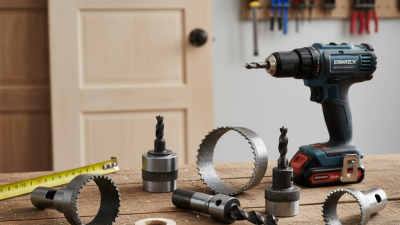
A practical selection should consider bi-metal or carbide-tipped construction, tooth pitch, arbor compatibility, and the recommended revolutions per minute. Bi-metal models usually suit general mild-steel work. Carbide-tipped designs can offer better durability on stainless steel and harder alloys, but they demand steadier pressure and better cooling. Small details matter. For example, a 25 mm hole in 2 mm sheet steel needs different control than a 75 mm hole through thick plate.
Safety guidance from OSHA emphasizes guarding, stable workholding, and appropriate personal protective equipment around rotating tools. Those basics are often ignored. That is a mistake. Real workshop conditions are rarely perfect, and manufacturer charts may not cover every alloy or drill setup. This guide therefore compares practical evidence, manufacturer specifications, and common field experience, while recognizing that no single Steel Hole Saw suits every job.
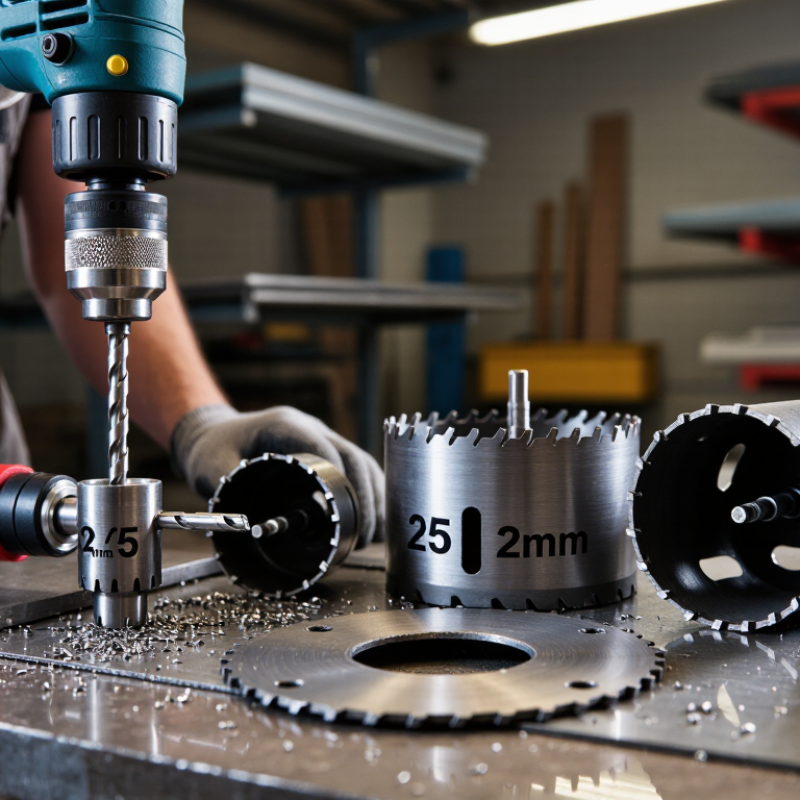
Understand How a Steel Hole Saw Works and Where It Is Used
How to Choose the Right Steel Hole Saw?
Understand How a Steel Hole Saw Works and Where It Is Used
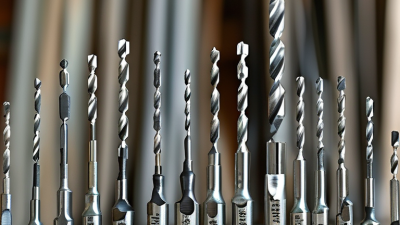
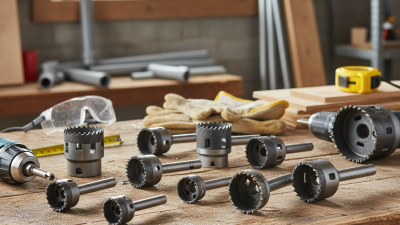
A steel hole saw cuts a round opening while leaving a solid core, rather than removing all material inside the cut. Its toothed rim does the work; a pilot bit helps guide the tool and reduce wandering. Many models use high-speed steel teeth, while bi-metal designs combine a harder cutting edge with a more flexible backing. Choose the tooth material and diameter for the workpiece, not just the tool’s advertised versatility.
Steel hole saws are used for openings in sheet metal, pipes, and other steel components, such as cable or ventilation pass-throughs. The World Steel Association reported global crude steel production of 1,888.2 million tonnes in 2023, illustrating the scale of steel use across industries. That figure does not measure hole-saw demand, but it helps explain why accurate metal cutting matters. Cutting performance still depends on steel thickness, tooth condition, speed, and steady pressure. A dull saw can wander or overheat. Easy to overlook.
Tips: Secure the workpiece firmly, mark the center, and use cutting fluid where appropriate. Start slowly until the pilot bit holds its track, then maintain even pressure. Clear metal chips regularly, and stop if the saw binds or the cut turns blue from heat. Check the tool maker’s speed guidance; I’ve found that rushing a cut often costs more time later.
Identify the Steel Type and Thickness You Need to Cut
Before choosing a steel hole saw, identify what the workpiece is made of. Mild steel is relatively easy to cut, while stainless steel usually creates more heat and resists cutting. Hardened steel can quickly wear ordinary teeth; check the material specification or ask the supplier if its hardness is unknown. A magnet is not enough to identify steel type. It only gives a rough clue.
Measure the steel’s thickness at the exact cutting point. A thin sheet may need support behind it to reduce vibration and prevent the saw from grabbing as it breaks through. For thicker plate, check the saw’s stated cutting depth and whether its tooth design suits the material. Don’t guess. A hole saw that is too shallow may bind before reaching the other side.
Match the saw’s construction to the job: a suitable bi-metal saw can handle many mild-steel and stainless-steel tasks, while harder materials may require a purpose-designed abrasive or carbide tool. Follow the tool maker’s guidance. Secure the workpiece, use cutting fluid where recommended, and run the drill at a controlled speed. Clear chips often; packed steel chips can overheat the teeth. I have seen “almost through” cuts become the hardest part. Check the remaining thickness before forcing the saw.
Check Cutting Speed, Cooling, and Safety Requirements
How to Choose the Right Steel Hole Saw?
Check the saw’s recommended speed before drilling. Larger diameters usually need slower rotation, and thick or hard steel can heat quickly. Use a variable-speed drill, then begin cautiously and adjust if the teeth chatter or the cut turns blue. That color is a warning, not a finish. Keep the saw square to the surface; a tilted start can leave a rough, oversized hole. A short pilot drill helps prevent wandering.
Cooling matters. Apply cutting fluid suited to the material, and add more when the cut begins to feel dry. Ease pressure as the teeth engage, then let them cut without forcing the drill. Pause if chips stop clearing or the saw becomes unusually hot. I have found that rushing often saves little time; it can dull the teeth and spoil the workpiece. Still, fluid choice and feed pressure vary, so follow the tool and material guidance.
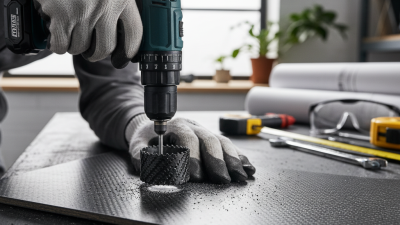
Secure the steel with a clamp, not a hand. Wear safety glasses or a face shield, and keep loose clothing and hair away from rotating parts. Avoid gloves near the spinning drill, where they can snag. After stopping the tool, wait for the saw to stop completely before clearing the metal slug. Check that the drill’s side handle is fitted for larger saws; sudden binding can twist the tool.
How to Choose the Right Steel Hole Saw
Check cutting speed, cooling, and safety requirements before drilling.
Cutting Speed
Use the chart as a starting point for a bi-metal hole saw. Reduce speed for larger diameters, harder materials, or interrupted cutting.
Cooling
Apply cutting oil to carbon steel and stainless steel to reduce heat and extend tooth life. Cast iron is commonly drilled dry to avoid abrasive slurry.
Safety
Secure the workpiece, wear eye protection, keep hands away from the rotating saw, and clear chips only after the tool has stopped.
Typical starting surface-speed values for general-purpose hole-saw cutting. Actual settings depend on saw diameter, tooth condition, machine rigidity, and material grade.