2026 Best Bi Metal Hole Saw for Global Buyers?
Choosing the 2026 best Bi Matel Hole Saw requires more than comparing prices or tooth counts. Global buyers need dependable cutting performance across steel, aluminum, wood, plastic, and composite panels. A suitable saw should balance tooth hardness, cutting speed, heat control, and service life. It must also fit common arbors and drilling systems.
“No hole saw performs well when heat is ignored,” says Dr. Lena Ortiz, an industrial cutting-tool engineer with over twenty years of field experience. Her observation is simple. It explains many early failures. A thin steel panel may appear easy to cut, yet friction can quickly damage the teeth. Proper pressure, steady speed, and cutting fluid often matter as much as the saw itself.
This guide examines the leading Bi Matel Hole Saw options for international purchasing decisions in 2026. It considers tooth design, backing strength, kerf smoothness, arbor compatibility, packaging, and supplier reliability. Real workshop conditions also matter. Dusty job sites, uneven hand pressure, and limited maintenance can expose weaknesses that laboratory tests miss.
No single model wins every application. That is worth remembering. Some premium saws cut cleaner but cost more. Some affordable products perform surprisingly well, then lose sharpness sooner. Buyers may also overlook replacement availability and technical support. That is a mistake. A practical choice should reduce downtime, protect operators, and deliver consistent holes across repeated projects. This introduction therefore focuses on evidence, usability, and honest trade-offs, rather than exaggerated claims.
What Is a Bi-Metal Hole Saw and How Does It Work?
# 2026 Best Bi Metal Hole Saw for Global Buyers?
## What Is a Bi-Metal Hole Saw and How Does It Work?
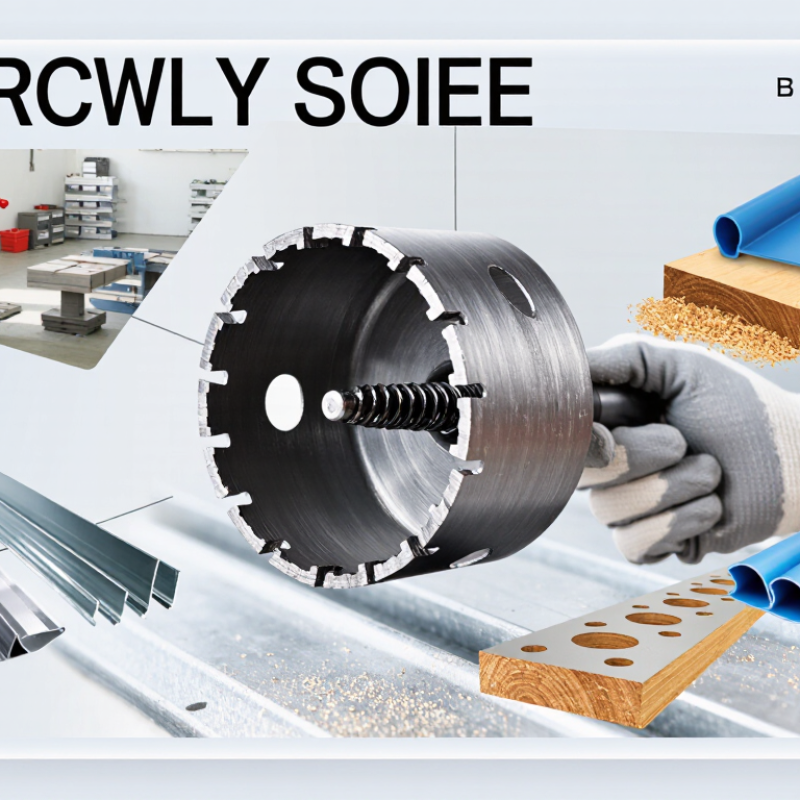
A bi-metal hole saw cuts round openings in materials such as wood, plastic, and many metals. It has a cylindrical steel body, a toothed cutting edge, and a pilot drill in the center. The pilot bit helps guide the saw and keeps it from wandering across a flat surface. The cup-shaped body removes a circular plug as it rotates. That plug can get hot.
The teeth are typically made from high-speed steel, while the body uses a more flexible steel. This combination gives the cutting edge hardness and helps the saw resist cracking under ordinary use. As the drill turns, each tooth cuts a small amount of material. The gaps between teeth carry chips out of the kerf. If chips pack into the cup, cutting slows and heat builds. Pull the saw back occasionally to clear them.
In practical use, match the saw’s diameter and tooth design to the material and thickness. Secure the workpiece, use steady pressure, and avoid forcing the drill. For metal, a suitable cutting fluid can reduce heat and tooth wear; follow the tool maker’s guidance. Results still vary with the drill, material, and operator. That part is easy to underestimate. A hole saw is useful, but it is not a shortcut around careful setup.
2026 Best Bi-Metal Hole Saw for Global Buyers? What Is a Bi-Metal Hole Saw and How Does It Work?
A bi-metal hole saw combines a toothed high-speed-steel cutting edge with a tougher alloy-steel body. Driven by an arbor, its pilot drill helps center the cut while the teeth remove material around the perimeter. The chart shows example nominal hole diameters and their calculated radii.
Which Materials and Applications Suit Bi-Metal Hole Saws?
2026 Best Bi Metal Hole Saw for Global Buyers?
Bi-metal hole saws suit jobs requiring clean, repeated holes across mixed materials. Their teeth usually use high-speed steel, while the body uses flexible alloy steel. This combination balances cutting hardness with impact resistance. It works well on mild steel, stainless steel, aluminum, copper, brass, wood, plywood, and many plastics.
Material thickness still matters. Thin sheet metal cuts quickly, but thick steel needs slower speed and steady pressure. Stainless steel demands patience, cutting fluid, and sharp teeth. Without cooling, the teeth can overheat and lose hardness.
Wood and plastic usually need less pressure, although brittle plastic may chip. Avoid masonry, hardened steel, and highly abrasive boards unless the manufacturer specifically permits them. Bi-metal teeth are not universal.
Typical applications include electrical conduit openings, plumbing penetrations, HVAC ductwork, cabinet installation, and light fabrication. In practical use, a firm pilot bit prevents wandering on smooth metal. A variable-tooth pattern can reduce vibration and improve chip removal. Clear chips often. They can clog surprisingly fast.
A dependable selection should match diameter, arbor size, tooth pitch, material, and cutting depth. Check the drill’s power and speed range before starting. Eye protection and controlled feeding remain essential.
I have found that “faster” often means “shorter tool life.” Still, no single hole saw performs perfectly everywhere. Surface coatings, uneven pressure, and operator technique can change the result. A test hole in scrap material is usually worth the minute.
How Can Global Buyers Assess Quality, Compatibility, and Safety?
For global buyers evaluating a bi-metal hole saw, start with the cut, not the catalogue photo. Check the cutting diameter, cutting depth, arbor thread, and pilot-drill size against the actual drill and workpiece. Bi-metal teeth are commonly suited to steel and other metals, but tooth pitch and saw diameter affect cutting speed and finish. Ask for material specifications, hardness data, and documented production checks. A neat weld matters. So does tooth spacing. If a supplier provides only a broad “metal cutting” claim, request test details for the material thickness you plan to cut. Compatibility can look obvious and still fail at the arbor.
Safety deserves equal scrutiny. The US Bureau of Labor Statistics reported 2.6 million nonfatal workplace injuries and illnesses in private industry for 2023, in its 2024 annual release. That figure is not specific to hole saws, but it underscores why controlled tool use matters. Buyers should verify that instructions address secure workholding, suitable speed, eye protection, and safe removal of hot cut-outs. Check packaging and technical sheets for clear limits, rather than relying on a seller’s verbal assurance. Test a sample on scrap steel first. Watch for vibration, tooth damage, and a wandering pilot bit. One honest caveat: even a well-made saw can perform poorly when speed, feed pressure, or cooling is wrong. I would record those conditions during supplier trials.
How Should Buyers Select and Maintain a Bi-Metal Hole Saw?
How Should Buyers Select and Maintain a Bi-Metal Hole Saw?
Choose a bi-metal hole saw by matching its diameter, cutting depth, and tooth pitch to the job. For thin sheet metal, finer teeth help reduce snagging; for thicker steel or wood, check the saw’s rated depth and the arbor’s compatibility. A variable-pitch tooth pattern can cut across different materials, but no single saw suits every task.
Ask suppliers for tested material limits, runout guidance, and replacement-part availability. These details are more useful than an unsupported claim of “long life.”
Maintenance and Safe Operation
Maintenance affects both cut quality and safety. Clear chips with the tool stopped, inspect teeth for missing or rounded points, and replace a damaged pilot drill. Keep the saw aligned, use the speed and lubricant recommended for the workpiece, and avoid forcing the cut when progress slows.
Small details matter. OSHA reports that about 2,000 U.S. workers sustain job-related eye injuries requiring medical treatment each day; chips from cutting are one reason eye protection belongs in the setup. That figure is broad, not specific to hole saws.
Buyers should also check the report’s scope and date, then apply local workplace guidance. A clean saw can still wander if the workpiece is poorly clamped.