2026 Best Woodworking Speed Hole Opener for Buyers?
Choosing the 2026 Best Woodworking Speed Hole Opener requires more than comparing prices and shiny product photos. A reliable opener should cut cleanly, start without wandering, and remove chips without choking. It should also fit your drill, your material, and your working habits. Soft pine forgives mistakes. Dense oak does not.
Woodworking educator Paul Sellers often expresses the central buying principle this way: “Use the right tool for the job.” That simple sentence matters here. A capable Woodworking Speed Hole Opener needs a sharp cutting edge, a stable shank, and enough strength for repeated drilling. Look for accurate sizing, heat-treated steel, and a design that leaves smooth hole walls. A practical grip and clear size markings also save time beside a crowded workbench.
Small details become visible quickly. A poor opener may squeal, burn the timber, or leave a ragged exit. An excellent one produces a clean entry and a controlled breakthrough. Not every premium model performs equally well. That is worth remembering. Reviews can miss real workshop conditions, especially when users drill different woods or work at different speeds.
This guide compares cutting performance, durability, compatibility, handling, and value. It considers both occasional repairs and demanding shop routines. You may still need to adjust pressure or drilling speed. Tools are not magic. The right choice simply makes good work easier, safer, and more repeatable.
What Is a Woodworking Speed Hole Opener?
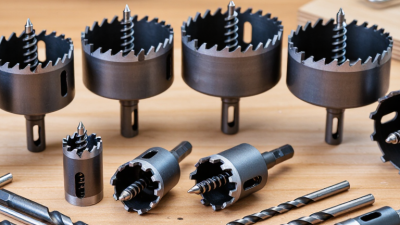
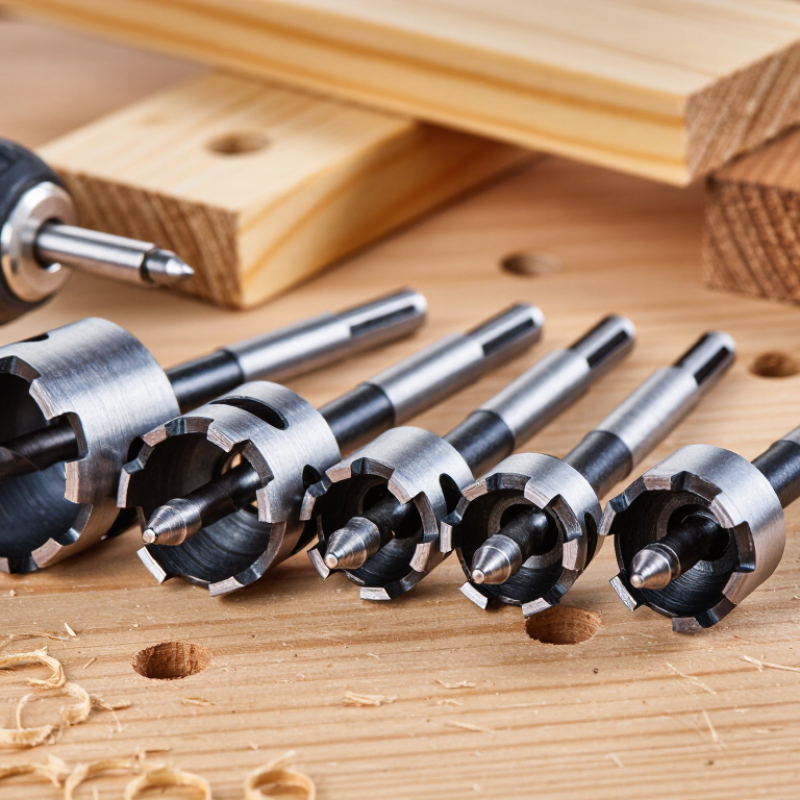
A woodworking speed hole opener is a cutting tool designed to create holes in timber quickly and cleanly. It may resemble an adjustable hole cutter, a broad spade-style bit, or a cylindrical opening tool. The name is not a universal technical standard. Different sellers may describe different tools with the same phrase. That detail can confuse new buyers.
In practical workshop use, the opener usually has a central guide point and one or more cutting edges. The guide helps the tool stay centered, while the edges remove wood around the opening. It can suit cable passages, furniture joints, pipe clearances, and other controlled drilling tasks. A sharp cutter produces less splintering. It also places less strain on the drill. It is not magic. Dense hardwood still requires patience.
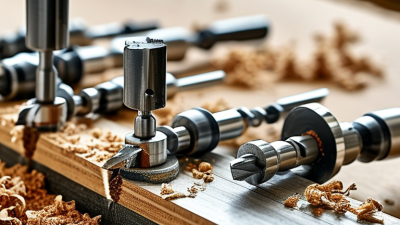
A reliable buyer should check the cutting diameter, shank size, maximum recommended speed, and compatible drill type. A tool made for a handheld drill may behave differently in a drill press. I also examine the cutter’s adjustment mechanism, because loose parts can affect accuracy. In my experience, test cuts on scrap wood reveal more than attractive packaging. Even then, results depend on grain direction, pressure, and operator control. My early cuts were not always clean, especially near the exit side. Supporting the workpiece with scrap timber improved the finish, but it did not remove every risk. Wear eye protection, secure the board, and let the cutter work without forcing it.
2026 Best Woodworking Speed Hole Opener for Buyers?
A woodworking speed hole opener is a cutting tool used with a drill to create clean circular openings in wood.
Common designs include hole saws and adjustable circle cutters. The best choice depends on the required hole diameter,
cutting depth, material, and drilling speed.
The chart shows common nominal hole-opener sizes converted from inches to millimeters.
Smaller sizes are generally suitable for cable routing and small hardware, while larger sizes are useful for pipe,
duct, and electrical access openings. Actual cutting capacity depends on the tool design and the thickness of the wood.
Which Types and Sizes Suit Different Woodworking Projects?
2026 Best Woodworking Speed Hole Opener for Buyers?
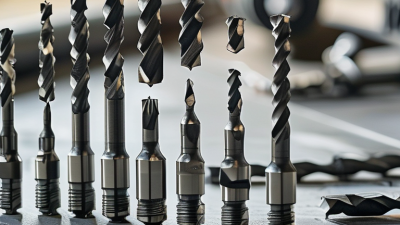
Choosing a woodworking hole opener starts with the project, not the tool’s advertised speed. Brad-point bits suit clean holes in softwood and hardwood, especially for screws, dowels, and cable routes. Common sizes range from 3 mm to 20 mm. Their center point reduces wandering, but dull cutters can still burn the surface.
Spade bits work well for quick utility holes, usually from 6 mm to 38 mm. They are useful for wiring paths through studs or cabinet panels. The edges may be rough, so I place scrap wood beneath the workpiece.
Forstner bits create flatter bottoms and cleaner edges. Sizes from 10 mm to 50 mm fit hinges, recessed fittings, and overlapping holes. They need a steady drill press for the best control.
Hole saws are better for larger openings, such as ventilation ports or pipe clearances. A practical range is 19 mm to 76 mm. Select a depth greater than the board thickness, or remove waste during drilling. Measure twice. I still occasionally choose a bit that is too large, especially when working from a rough sketch. A test hole in matching scrap prevents an expensive mistake.
Lower speed usually helps larger cutters, while sharp teeth matter more than extreme drilling force. Clean edges matter. A backing board, firm clamping, and light pressure improve results across most wood species.
How to Compare Cutting Speed, Accuracy, Durability, and Compatibility
2026 Best Woodworking Speed Hole Opener for Buyers?
Cutting speed should not mean forcing the tool.
A 50 mm cutter running at 2,000 rpm produces about 5.2 m/s rim speed. That can cut quickly, but heat rises when teeth stay buried. Choose a cutter with clear gullets, balanced teeth, and a stable arbor. The USDA Forest Products Laboratory’s Wood Handbook, FPL-GTR-282, reports wood densities ranging from roughly 300 to above 700 kg/m³ among common species. Denser stock usually demands slower feeding and sharper teeth.
Accuracy depends on runout, pilot-bit control, and the workpiece setup.
In my shop, I check the first hole with calipers and watch for a wandering entry point. A practical buying target is runout below 0.2 mm, although manufacturers do not always publish this figure. That gap matters. A fast opener can still produce a ragged circle. Use a sacrificial board beneath thin panels, and reduce pressure near breakthrough.
Durability comes from tooth material, heat management, and replaceable parts.
Compatibility is less obvious. Confirm shank size, arbor thread, cutting depth, and drill chuck capacity before buying. The U.S. Consumer Product Safety Commission’s 2023 injury surveillance data continues to show hand and power tools as a recurring household injury category, so stable handling deserves equal attention. I sometimes overvalue advertised speed. Real wood, resin, and imperfect alignment change the result. Test one opening before committing to a full set.
How to Choose the Best Speed Hole Opener for Your Tools and Budget
2026 Best Woodworking Speed Hole Opener for Buyers?
Choosing the best speed hole opener starts with your existing tools, not an attractive product description. Check your drill’s chuck size, torque, speed control, and battery capacity. A large cutter needs steady power, while a compact drill may struggle in thick hardwood. Measure your usual hole sizes before buying. Adjustable cutters offer flexibility, but fixed-size openers often feel steadier and cleaner.
Material matters, too. For pine, plywood, and soft boards, a sharp carbon-steel cutter may be sufficient. Dense hardwood requires stronger teeth and careful speed control. Look for a secure pilot bit, smooth adjustment, and a shank that fits your drill without wobbling. In my workshop, I test the opener on scrap wood first. It reveals vibration, rough edges, and poor alignment quickly. I still make mistakes when rushing.
Tips: Mark the center clearly, clamp the workpiece, and begin at a low speed. Let the cutter remove material gradually. Do not force it when the motor slows. For clean exits, support the underside with scrap wood or stop halfway and cut from the opposite side. Wear eye protection and keep loose clothing away from rotating parts. Compare the opener’s price with replacement bits and adjustment time. The cheapest option can become expensive when holes turn uneven.
How to Use, Maintain, and Store a Woodworking Speed Hole Opener
A woodworking speed hole opener needs controlled pressure, not brute force. Mark the center clearly, clamp the board, and support its underside with scrap wood. Start at low speed, then increase only after the cutter bites evenly. Keep both hands away from the cutting path. I prefer short passes, because long pressure can burn the edge and distort the hole.
Dust control matters during every pass. The UK Health and Safety Executive sets workplace exposure limits at 3 mg/m³ for hardwood dust and 5 mg/m³ for softwood dust in EH40/2005. Use local extraction, wear suitable eye protection, and clear chips with a brush rather than your fingers. After use, unplug powered equipment before checking the opener. Inspect teeth, the pilot point, and the shank for cracks or dull edges. A dull cutter often feels “safe,” but it can grab unexpectedly. I still forget to check the shank sometimes. That is a real maintenance weakness.
Wipe resin from the cutter with a dry cloth, then apply a light rust preventive if the manufacturer allows it. Store the opener in a rigid case, separated from loose screws and other cutters. Keep it dry and above floor level. OSHA’s woodworking safety guidance emphasizes guarding, stable workpieces, and routine equipment inspection. A simple inspection log helps, although many small workshops skip it. That shortcut can become expensive.