Request a Quote

Leave Your Message
Choosing Deep Hole Saw Bits in 2026 is not just a question of diameter. The material, cutting depth, drill speed, and arbor all affect whether a bit cuts cleanly or binds halfway through. A hole saw that works well in softwood may struggle in stainless steel. Match the tooth design and cutting material to the job, then check the manufacturer’s depth and speed guidance. Small details matter. A pilot bit that wanders can leave a ragged opening, even when the saw itself is sharp.
The broader tooling market signals why careful selection matters, though it does not measure deep-hole saw bits specifically. Grand View Research estimated the global power tools market at about $36.5 billion in 2023 and projected continued growth through 2030. That figure is useful context, not proof that every new bit is better. For practical decisions, compare published specifications with the work in front of you: material thickness, available clearance, and whether the tool can clear chips during a deep cut.
A reliable named expert quotation specific to Deep Hole Saw Bits could not be verified from the supplied material, so inventing one would be misleading. A sound shop-floor rule is simple: “Choose for the material, depth, and tool—not the label alone.” Treat it as guidance, not a published quotation. Even a well-chosen bit can overheat if feed pressure is too heavy or chips remain packed in the kerf. Pause, clear debris, and inspect the cut. That extra check is easy to skip. It is also where better results often begin.
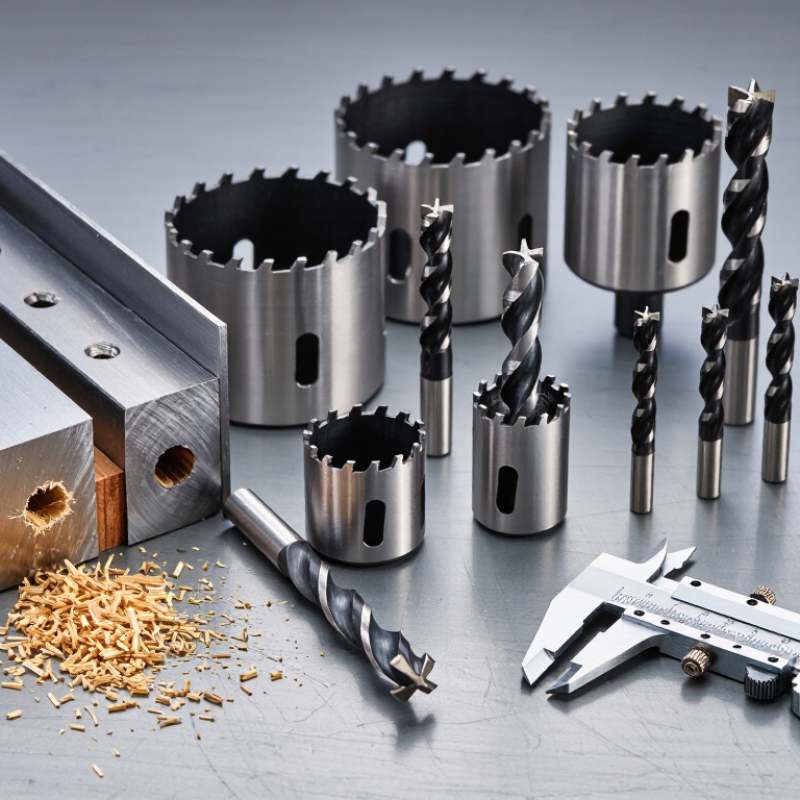
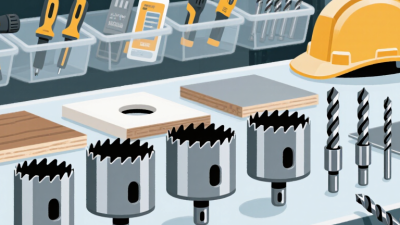
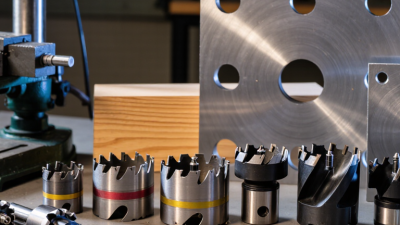
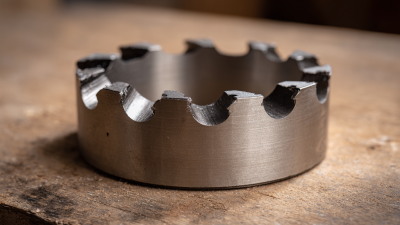
A deep hole saw bit is a toothed cylindrical cutter, not a twist drill. Its teeth cut a circular groove while a central pilot bit keeps the tool on course. The uncut center becomes a solid slug. A deep cup lets the saw pass through thicker stock, but it also leaves less room for chips. Clear those chips often.
“Deep hole” has no single meaning across cutting tools. The CIRP Encyclopedia of Production Engineering describes deep-hole drilling as commonly involving depth-to-diameter ratios above 10:1. That benchmark applies to drilling processes, not as a rating for hole saws. The distinction matters. A hole saw’s practical cutting depth depends on cup depth, tooth design, material, and chip clearance—not simply the hole’s diameter.
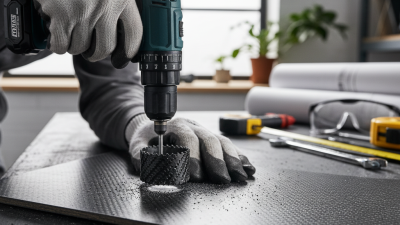
In use, keep the saw square and let the teeth cut without forcing the tool. For a thick wooden board, withdraw the saw partway to release packed chips; in metal, use a suitable cutting fluid where recommended. Heat is a warning. Dull teeth, a wandering pilot, or a jammed slug can spoil the cut quickly. I would check the workpiece thickness against the saw’s usable cup depth before starting; that simple check is easy to overlook.
| Selection Factor | What to Look For | Why It Matters | Practical Check |
|---|---|---|---|
| Cutting depth | Choose a deep-cut hole saw whose cup depth exceeds the thickness of the workpiece. | The cup’s cutting depth determines how far it can cut in one pass. An arbor extension increases reach, but does not make the saw cup itself deeper. | Compare the stated cutting depth with the material thickness. For especially thick work, check whether the cut can be completed safely from both sides. |
| Hole diameter | Select a saw sized for the required finished opening. | Hole saws cut circular openings; the outside diameter of the saw determines the nominal hole size. | Check the saw’s diameter and allow for any clearance required by the fitting or installation. |
| Cutting material | Match the tooth or abrasive type to the workpiece. | Different cutting edges are designed for different materials, and using an unsuitable type can cause poor cutting or premature wear. | Confirm the tool’s stated material applications before use, especially for metal, masonry, tile, or composites. |
| Tooth material and design | Bi-metal teeth are commonly used for wood, plastics, and many metals; carbide-tipped designs are used for selected harder or abrasive materials. | Tooth construction affects cutting performance, durability, and the materials the saw is suitable for. | Follow the manufacturer’s material and speed guidance; do not assume that one tooth type suits every material. |
| Arbor and shank | Check that the arbor fits the saw and the drill or tool being used. | The arbor holds and drives the cup. A compatible pilot drill helps guide the saw into the workpiece. | Verify the arbor connection, pilot-bit arrangement, and tool compatibility before assembly. |
| Slug removal | Look for access slots or another suitable way to remove the cut-out core. | Material trapped inside a deep cup can slow work and make the saw harder to clear. | Stop the tool and disconnect power before clearing a slug. Use the access openings as intended and avoid prying against the teeth. |
| Tool and speed control | Use a compatible drill with controllable speed and sufficient capacity for the saw size and material. | Large hole saws can produce substantial torque. Correct speed and a steady feed help control heat and reduce binding. | Use the speed guidance supplied for the specific saw and material. Secure the workpiece and maintain a firm grip. |
| Cooling and chip clearing | Use suitable cutting fluid where recommended for metal, and clear chips regularly. | Heat and packed chips can reduce cutting efficiency and shorten tool life. | Use material-appropriate lubrication, if specified, and withdraw the saw periodically to clear chips without forcing the cut. |
| Safety and setup | Use eye protection, secure the workpiece, and check for hidden wiring, pipes, or other obstructions. | A hole saw can catch as it breaks through or binds in the cut. A stable setup helps reduce loss of control. | Follow the drill and saw instructions. Keep hands clear of the cutting path and stop if the saw binds. |
| What Deep Hole Saw Bits Are and How They Work | |||
| Basic construction | A hole saw is a cylindrical cutting cup with a cutting edge, typically mounted on an arbor; many setups also use a pilot drill. | The cup cuts around the edge of a circle rather than removing all the material inside it as a conventional drill bit would. | The pilot drill helps locate and guide the cut, while the cup forms the circular opening. |
| Cutting action | The rotating teeth or abrasive edge remove a ring of material as the cup advances into the workpiece. | This leaves a central core, often called a slug, which must be removed after or during the operation. | Apply steady pressure and let the cutting edge do the work; excessive force can increase heat or cause binding. |
| Deep-cut design | A deep-cut model has a cup designed to cut farther into the workpiece than a shallower cup of the same diameter. | Greater cup depth can help make openings in thicker stock, but the saw still needs suitable tool capacity and operating conditions. | Check the listed cutting depth, not just the overall cup length or arbor reach. |